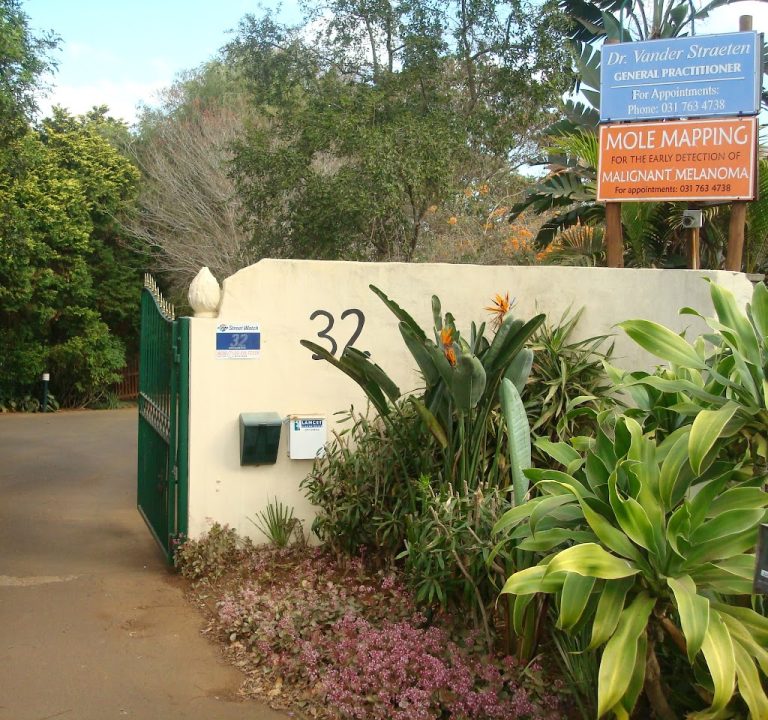
Skin Cancer Detection is a Doctor establishment in Durban, KwaZulu-Natal, South Africa
Skin Cancer Detection in Durban, KwaZulu-Natal – Doctor
Skin Cancer Detection presents itself as a dedicated clinical service focused on the early identification, monitoring and management of skin cancer. Based in Waterfall, Durban, the practice emphasises the importance of routine skin examinations, mole analysis and long-term tracking to catch changes at a stage when treatment is most effective. The offering is closely aligned with preventative dermatology and general family medicine, combining expert clinical assessment with digital tracking tools to observe moles and suspicious lesions over time.
The primary services advertised include comprehensive skin cancer screening, long-term mole tracking, analysis of moles, and the detection of new moles. The clinician uses specialised equipment and software to examine the skin, scan moles, identify suspicious features and monitor any changes that may warrant further investigation. This approach supports patients who wish to stay vigilant about skin health, particularly those with increased risk factors such as a history of extensive sun exposure, numerous moles, or a family history of skin cancer.
The practitioner behind the service is Dr Annemie Vander Straeten, described as a family physician with a special interest in melanoma. The practice highlights a patient-centred ethos, emphasising thorough assessment and a holistic approach to care. Reviews from visitors reflect a positive experience, with patients noting attentive, knowledgeable clinicians who provide reassurance and clarity during consultations. The tone of the testimonials suggests a commitment to patient comfort, accessibility and trust, with several reviewers highlighting the caregiver’s experience and empathetic approach.
In terms of delivery, the site underscores the importance of early detection and education. The information shared includes practical guidance on common skin cancer types—basal cell carcinoma, squamous cell carcinoma and malignant melanoma—along with practical rules for self-surveillance. The ABCDE framework is presented to help patients recognise suspicious lesions: asymmetry, irregular borders, colour variation, diameter larger than 6 mm, and evolution over time. This educational component aims to empower individuals to identify potential concerns promptly and seek professional assessment when needed.
Requests for services are typically handled through a straightforward contact process. The practice provides a postal address in Durban and a direct phone line for inquiries, with a clear emphasis on privacy and consent in communications. Visitors are encouraged to complete a form to initiate contact, with assurances regarding privacy and data protection. The site indicates that personal information will be used solely to provide the requested services, and promises not to disclose contact details to third parties, reflecting a cautious approach to patient information.
The facility appears to operate within the local healthcare landscape of KwaZulu-Natal, serving residents in and around Durban and the surrounding Waterfall area. While specific office hours are not published on the site, the emphasis on routine screening suggests regular daylight access for consultations. The cultural and regional context of Durban is reflected in the patient testimonials, which convey a sense of trust and continuity in care from a local clinician with a focus on cancer awareness and prevention.
Practical tips for customers seeking Skin Cancer Detection services include:
- Schedule regular skin examinations, especially for individuals with many moles, previous sunburn trauma, or fair skin tones common in some populations.
- When visiting, wear comfortable clothing that allows easy skin access and consider bringing a list of previous sun exposure experiences or family history related to skin cancer.
- Prepare any questions about mole changes, biopsy procedures, and follow-up tracking plans to understand the recommended surveillance over time.
- Ask about the use of specialised equipment and software used to scan and track moles, and how changes will be monitored between visits.
- Follow any recommended sun protection strategies, including the use of high-SPF sunscreen, protective clothing and limiting peak sun exposure.
For those seeking a local dermatology-informed primary care approach to skin cancer, Skin Cancer Detection in Durban offers a
combination of expert clinical assessment, long-term mole monitoring and patient education designed to support early detection and informed decision-making. The practice’s focus on accessibility, privacy and compassionate care is echoed in patient feedback, which highlights the value of experienced, thoughtful clinicians in managing skin health concerns.
Durban
KwaZulu-Natal
3610
South Africa
Sorry, no records were found. Please adjust your search criteria and try again.
Sorry, unable to load the Maps API.
Doctor Services in Durban, KwaZulu-Natal
Durban, a coastal city in KwaZulu-Natal, offers a diverse range of doctor services that cater to residents and visitors alike. The medical landscape includes general practitioners, specialists, and diagnostic and emergency care facilities spread across private practices and public health institutions. In urban areas such as Durban, patients can expect relatively rapid access to primary care, referral pathways to specialists, and a network of hospitals equipped to manage acute and chronic conditions.
For most individuals, the patient journey begins with a consultation with a general practitioner (GP). A GP typically assesses symptoms, conducts basic examinations, and orders essential investigations. If further expertise is required, a GP will reference a specialist or recommend hospital-based services. In Durban, it is common for clinics to maintain patient records securely, ensure continuity of care, and coordinate with healthcare teams to monitor ongoing conditions such as hypertension, diabetes, and respiratory illnesses.
Specialist care is widely available across Durban’s medical community. Specialists cover fields such as cardiology, dermatology, orthopaedics, paediatrics, obstetrics and gynaecology, and mental health. Referrals are often necessary to access certain specialist services, especially within private healthcare networks. When consults are arranged, patients can typically expect a focused diagnostic approach, targeted investigations, and treatment plans tailored to individual needs. Multidisciplinary collaboration is a feature of many clinics, supporting comprehensive care for complex health issues.
Diagnostic services play a crucial role in Durban’s doctor offerings. Commonly accessible tests include blood work, imaging such as X-rays and ultrasound, and screening procedures. The results inform treatment decisions, monitor progress, and guide preventive care. Radiology departments and accredited laboratories frequently operate within or near medical facilities, providing timely findings to support clinical decisions.
Emergency and urgent care services are available within Durban, with various private and public options. In emergencies, call-outs or direct presentations to casualty departments enable rapid assessment and stabilisation. Ongoing management for chronic or time-sensitive conditions may involve routine check-ups, medication reviews, and risk factor management, all coordinated by the attending physician either in person or via scheduled follow-up appointments.
Practical considerations for patients include appointment systems, wait times, and the level of accessibility. While private clinics often offer shorter waiting periods and more flexible scheduling, public sector facilities provide essential services at a lower cost, subject to the available resources. Travel considerations, especially for those living outside the central districts, can influence the choice of clinic. Durban’s linguistic diversity means many practitioners are familiar with English and isiZulu, with some clinics offering additional language support.
Patients are advised to bring appropriate identification, current medications, and any relevant medical records to appointments. Insurance coverage, where available, may influence the choice of practitioner or hospital, though many clinics accept a range of payment methods. Privacy and patient consent are standard requirements, with confidential handling of medical information. For those planning pregnancies, children’s health, or elder care, Durban’s doctor services provide access to appropriate maternity care, paediatric services, and geriatric support through coordinated care teams.
Overall, Durban offers accessible doctor services designed to address both everyday health needs and more specialised concerns. The emphasis remains on clear communication, accurate diagnosis, and practical treatment plans implemented through a network of practitioners and facilities across the KwaZulu-Natal region.