Mathematics Specialist is a Education center establishment in Durban, KwaZulu-Natal, South Africa
Mathematics Specialist — Education Centre, Durban (KwaZulu-Natal, South Africa)
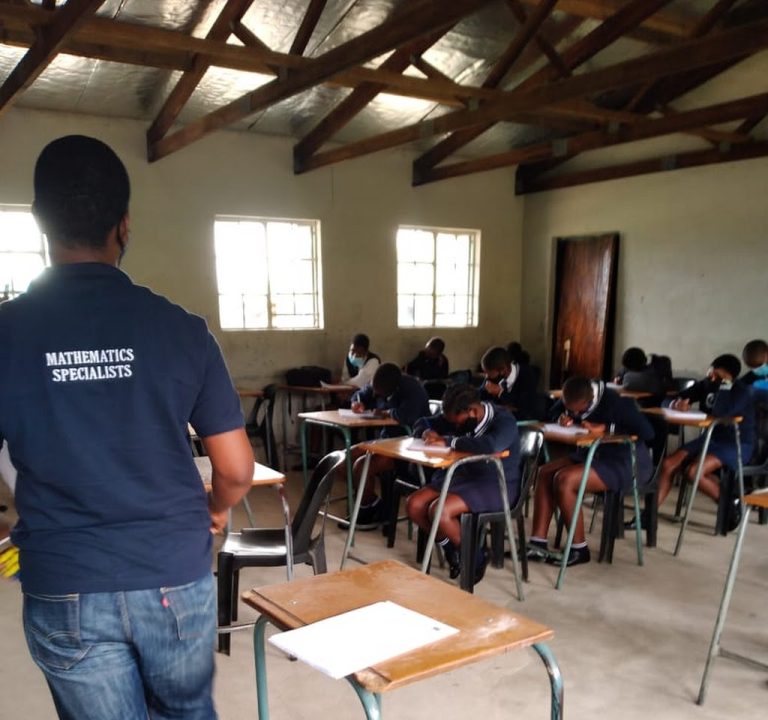
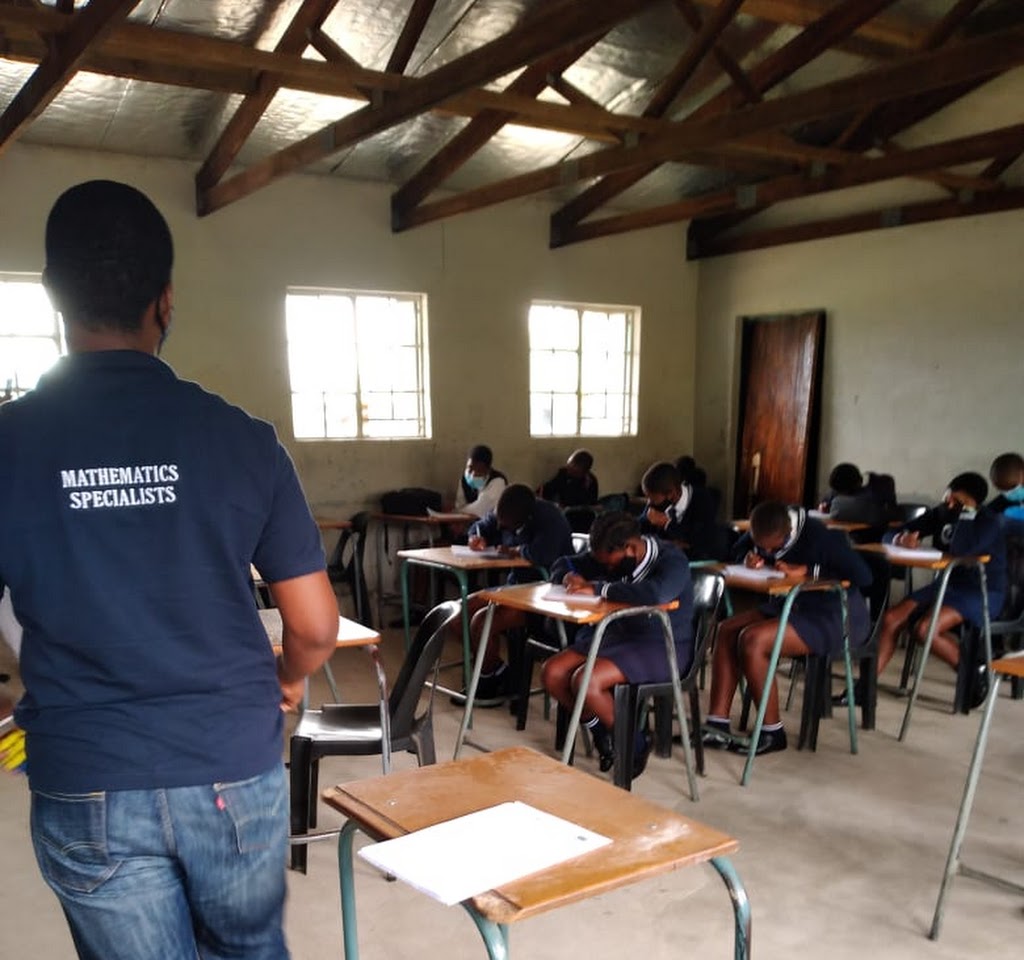
Mathematics Specialist operates as an independent tutoring service focused on Basic Education Mathematics for learners in Grades 7–12. The organisation centres on building a solid mathematical foundation, emphasising conceptual understanding as the essential first step for academic progress. The approach is described as “we build a strong foundation,” with a clear emphasis on ensuring that foundational concepts are understood before progressing to more advanced topics.
Core services are framed around three practical pillars. First, foundational mastery: learners are guided to grasp fundamental ideas that underpin successful performance in mathematics. Second, consistent practice: daily problem-solving is encouraged to reinforce learning and promote fluency with core operations and techniques. Third, a constructive mindset: efforts are made to cultivate confidence by celebrating small successes, creating a positive attitude toward mathematics and learning in general.
The organisation presents a practical path for learners to achieve measurable improvement. It advocates identifying targeted areas of focus, setting clear goals, and breaking learning into achievable milestones supported by appropriate materials. This structured approach is intended to help students progress steadily, align expectations, and track progress over time with mentors who can offer guidance as needed.
According to the available site information, Mathematics Specialist positions itself as a source for professional tutoring in mathematics, highlighting the value of expert mentorship. The founder and chief executive is named as Mr Mncedisi Mazibuko, described as leading the tutoring initiative and providing access to experienced mathematics mentors. The emphasis on professional tutoring suggests a learning pathway that combines subject expertise with personalised support to address individual learner needs.
The online presence also highlights broader educational concepts by describing mathematics as a language—“the language of Science”—to help learners relate abstract symbols to meaningful concepts. This framing supports the goal of developing fluency in mathematical notation and problem-solving, while also reinforcing how mathematics applies to real-world reasoning and scientific understanding.
In terms of customer experience, prospective learners and families can engage via the organisation’s digital platforms and public communications. The site features a contract form for families to formalise arrangements, indicating a structured and formalised approach to enrolment and tuition. Social media channels are listed, including Facebook, Twitter (now X), and YouTube, which may serve as additional touchpoints for updates, demonstrations, and learner guidance. While specific pricing, schedules, or service packages are not disclosed on the site, the contract form signals a formal process for starting a tutoring programme.
Typical job types and learning scenarios addressed by Mathematics Specialist include reinforcing foundational mathematics concepts, ensuring computational fluency (such as addition, subtraction, multiplication, and division), and supporting understanding of fractions, decimals, and percentages. The emphasis on practice and goal setting suggests suitable support for learners aiming to improve exam readiness, complete coursework, or build confidence for maths assessments within the South African basic education framework.
For customers seeking a practical and organised experience, the following tips may help optimise outcomes:
- Clarify goals and target grades or milestones at the outset to inform the learning plan.
- Identify specific topics or problem areas to prioritise in early sessions.
- Encourage daily short practice sessions to reinforce concepts and build fluency.
- Discuss progress and celebrate incremental improvements to maintain motivation.
- Utilise the contract form to formalise arrangements and set clear expectations regarding scheduling and responsibilities.
Geographically, Mathematics Specialist serves learners in KwaZulu-Natal, with a focus on Durban and surrounding regions in South Africa. The programme is positioned as a local, community-oriented tutoring option for families seeking structured mathematics support within the South African school system.
Durban
KwaZulu-Natal
3699
South Africa

Sorry, no records were found. Please adjust your search criteria and try again.
Sorry, unable to load the Maps API.
Education centre services in Durban, KwaZulu-Natal
In Durban, KwaZulu-Natal, education centres commonly provide a range of support services aimed at learners across age groups and academic levels. Typical offerings include structured tutoring programmes, literacy and numeracy support, language courses, and exam preparation. These centres are often designed to complement formal schooling, helping students consolidate understanding, build confidence, and progress to higher levels of study or employment.
For school-age learners, a primary focus is on after-school assistance, enrichment classes, and holiday programmes. Tutoring sessions frequently cover core subjects such as mathematics, science, languages, and social studies, with additional input in study skills, time management, and organisational techniques. Smaller class sizes or one-to-one sessions are commonly emphasised to enable personalised instruction and regular feedback on progress.
Adult and continuing education constitutes another core area. Centres may offer foundational courses in literacy and numeracy, language skills (including English as a second language), and recognised skills programmes that support employment-readiness. Short courses and workshops spanning information technology, business administration, hospitality, and practical trades can help adults acquire practical competencies for the local job market. Some centres provide guidance on career planning, resume writing, and interview preparation as part of a broader learner support framework.
Infrastructure and facilities vary, but many centres feature study rooms, computer laboratories, multimedia resources, and quiet study areas. Practical laboratories or workshop spaces are sometimes available for science, technology, engineering and mathematics (STEM) activities or vocational training. Accessibility considerations are increasingly prioritised, with provisions for learners with different learning needs and mobility requirements where feasible.
Experience at an education centre in Durban typically involves a structured timetable aligned with the regional school year and public holidays. Sessions may include diagnostic assessments to establish starting points, ongoing progress monitoring, and periodic reviews. Learning plans are commonly customised to address individual goals, whether preparing for national examinations, improving language proficiency, or acquiring job-ready skills. A steady emphasis on feedback and reassurance helps learners stay motivated and accountable for milestones.
Practical considerations include transport logistics, particularly given Durban’s layered urban and coastal geography. Proximity to schools, residential areas, and business districts is a common factor in selecting a centre, alongside safety, parking, and public transport access. Centres often provide flexible options, blending in-person classes with remote or self-paced study where appropriate, to accommodate family schedules and working commitments.
Quality assurance remains an important consideration. While formal certification or accreditation details can vary, reputable centres typically adopt clear policies on student welfare, safeguarding, and data privacy. Transparent information about learning outcomes, session formats, and support services helps prospective learners make informed choices. Parents and guardians are generally kept informed through progress reports and informal updates, ensuring an ongoing understanding of a learner’s development.
Durban’s education centres also reflect the city’s diverse cultural and linguistic landscape. Programmes may incorporate bilingual or multilingual components to support learners from various backgrounds. Community linkages, partnerships with schools, libraries, and local organisations can enhance access to resources, promoting inclusive learning experiences and broader educational engagement.
Overall, education centres in Durban, KwaZulu-Natal present practical, learner-focused environments designed to complement formal schooling and foster practical competencies. By offering personalised tutoring, language and literacy development, exam preparation, and vocationalised learning, they aim to equip learners with the skills and confidence needed to succeed within the South African education system and the local economy.