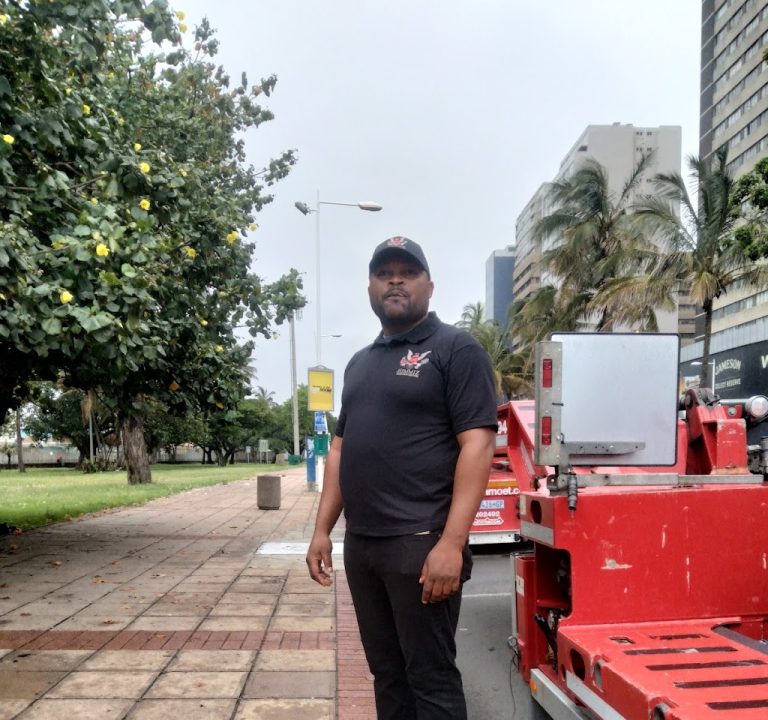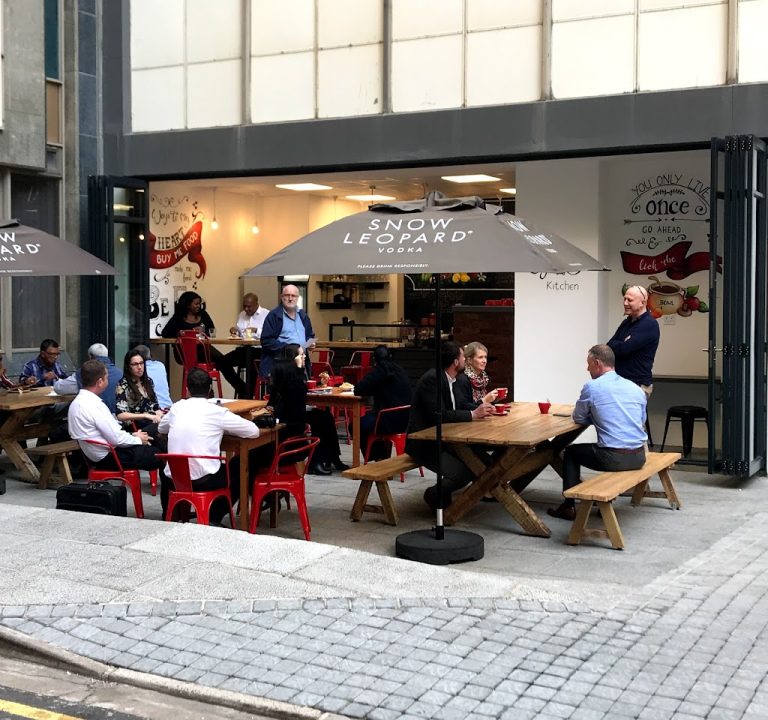
National Development Agency is a Non-profit organization establishment in Durban, KwaZulu-Natal, South Africa
Durban
KwaZulu-Natal
4001
South Africa
Sorry, no records were found. Please adjust your search criteria and try again.
Sorry, unable to load the Maps API.
Non-profit Organisation Services in Durban, KwaZulu-Natal
Non-profit organisations (NPOs) operating in Durban, KwaZulu-Natal, provide a broad range of community-focused services aimed at addressing social, economic and developmental needs. The city’s unique mix of urban and coastal communities shapes the breadth of offerings, with emphasis often placed on welfare, education, health, skills development and environmental stewardship. While operational models vary, the aim remains consistent: to deliver support programmes that advance vulnerable populations, promote social inclusion, and strengthen community resilience.
Typical services span several core areas. Welfare and social support programmes commonly include food aid, emergency relief, housing assistance, and guidance for families navigating financial hardship. Social development initiatives may offer counselling, youth mentoring, and programmes for vulnerable groups such as the elderly, women at risk, and persons with disabilities. Education-related services frequently cover school readiness activities, after-school tutoring, literacy campaigns, and skills training designed to improve employability. Health-oriented work may involve health promotion, mental health awareness, disadvantaged access to primary care, and outreach that supports preventative care and chronic disease management. Environmental and conservation projects, reflecting Durban’s coastal and inland ecosystems, can include community clean-ups, sustainable livelihoods workshops, and awareness campaigns on resource conservation.
Organisations in this region commonly operate through a combination of funding streams and voluntary support. Grants from government bodies or private foundations, donor contributions, and fundraising campaigns enable programme delivery, while volunteers contribute time and expertise across various roles. Collaboration with local schools, healthcare facilities, religious organisations, businesses, and other civil society groups is a frequent feature, enhancing reach and ensuring that services align with community needs. Accountability and transparency are integral, with many NPOs publishing annual reports, project evaluations, and financial statements to demonstrate impact and stewardship of resources.
What customers and beneficiaries can expect from Durban-based NPO services varies by programme, yet several practical considerations tend to be common. Access may be available through district offices, community centres, or partner organisations located within townships and suburban areas. Service delivery often blends direct assistance with capacity-building activities, enabling individuals to achieve short-term relief while developing longer-term skills and resilience. Applicants may be asked to provide basic information to determine eligibility and to tailor support to specific circumstances. Where appropriate, referrals to healthcare facilities, educational programmes, or housing initiatives are made to ensure a holistic approach to wellbeing.
Operational realities in KwaZulu-Natal can influence service delivery. Limited local resources, travel distances, and seasonal demand fluctuations may shape wait times and outreach planning. Language diversity, including isiZulu and English, is typically reflected in communications and support materials. Safeguarding and ethical practices are emphasised, particularly in work involving children, families, and vulnerable adults. Organisations often prioritise inclusive engagement, aiming to remove barriers to access for marginalised groups, such as those facing poverty, disability, or gender-based discrimination.
Prospective clients or partners may consider several practical steps when engaging with Durban NPO services. Identify the type of support required and research whether local organisations specialise in that area. Inquire about eligibility guidelines, documentation needs, and any intake processes. Explore possibilities for ongoing involvement, such as volunteering or joining community networks, which can enhance the effectiveness and sustainability of assistance. Finally, recognise that results can vary across programmes and that participation often complements broader community development efforts in the KwaZulu-Natal region.