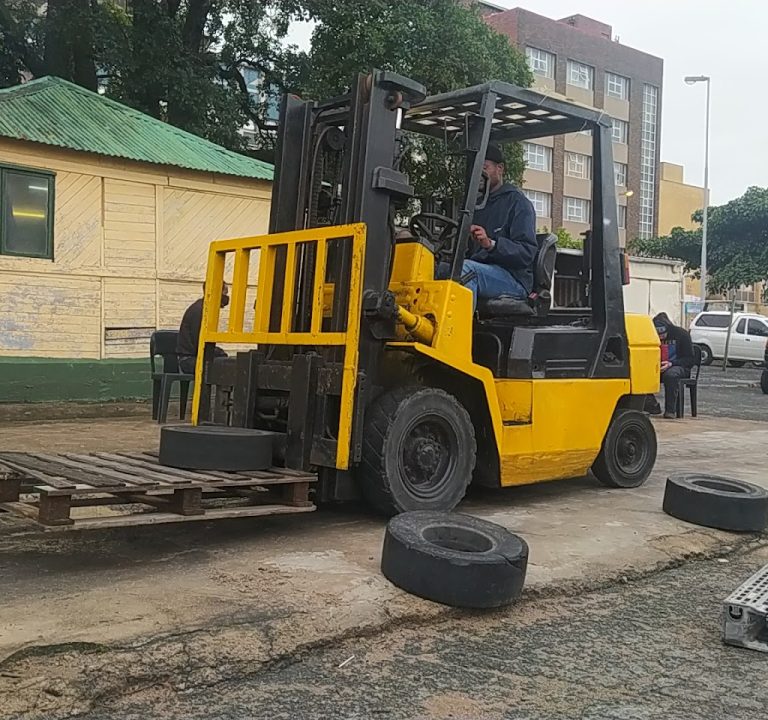
Africa Training Centre is a Training centre establishment in Durban, KwaZulu-Natal, South Africa
Africa Training Centre: Training Services and Customer Experience in Durban, KwaZulu-Natal
Africa Training Centre has been a recognised name in the South African skills training sector since 1995, operating from its Durban base with a national reach. The organisation emphasises a broad offering that combines practical instruction with accredited frameworks, positioning itself as a long-established partner for both individuals and organisations seeking focused skills development.
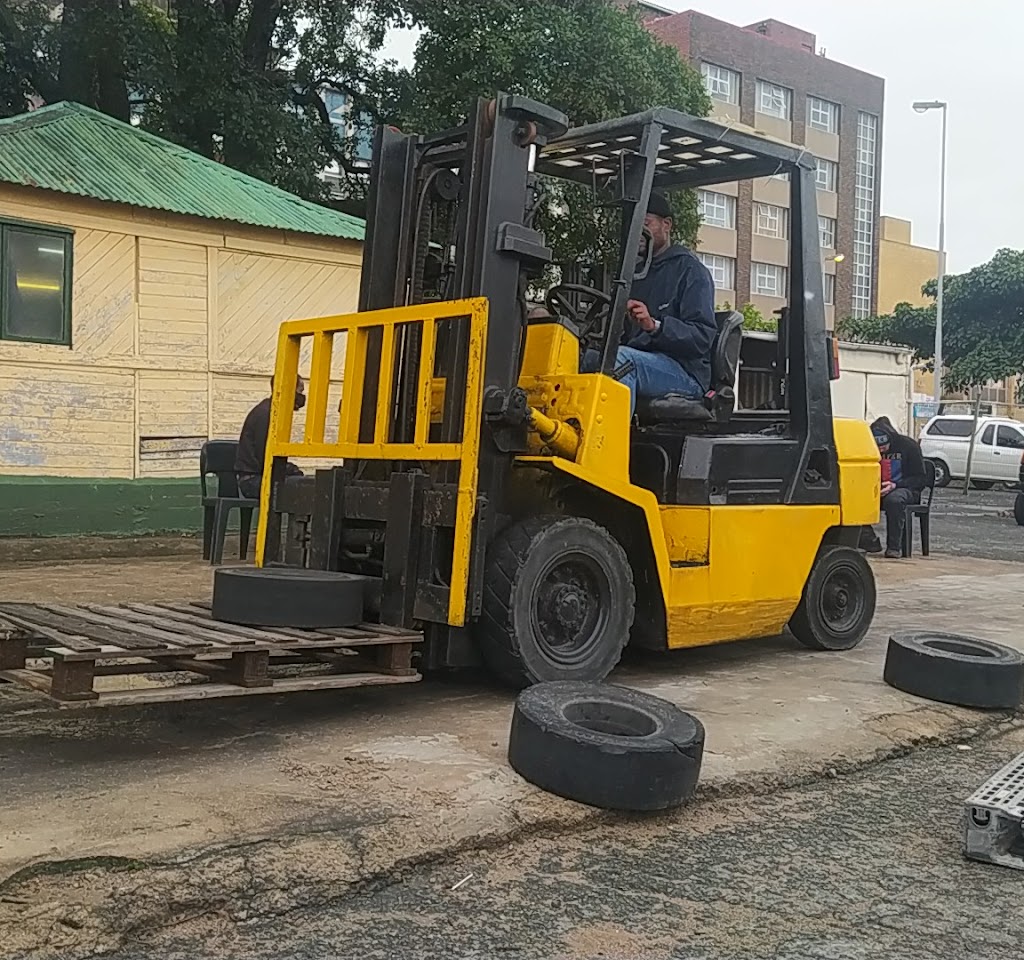
The core service offering centres on Learnerships and Skills Programmes, Occupational Health & Safety Management (OHS), Industrial Training, and Construction Equipment training. These focus areas reflect an emphasis on workplace readiness and compliance across high-demand sectors, with an underlying aim of aligning training outcomes with industry and government standards. The provider highlights a blend of theory and practical assessment to ensure that learners not only understand concepts but can apply them in real-world settings.
From the client side, the centre’s approach is described through client feedback and public statements as highly responsive and professional. Several testimonials reference a straightforward booking process, clear communication, and engaging, knowledgeable instructors. The feedback pool includes end-users from diverse sectors, including refinery, construction, and municipal services, suggesting a track record across multiple industries. The testimonials also point to the practical relevance of course content, with emphasis on real-world scenarios, interactive delivery, and practical exercises such as quizzes and role plays that help embed learning.
In terms of accreditation and credibility, Africa Training Centre outlines a substantial portfolio of recognised credentials. The organisation is accredited by notable authorities, including the Transport Education and Training Authority (TETA), the Construction Education and Training Authority (CETA), the Department of Labour, and the Department of Transport. The business also positions itself as a Level One BBBEE contributor, which may be relevant for institutions seeking to meet enterprise and employment equity targets. All courses are described as being delivered through an assessment-based framework, with theory and practical components, and the multilingual delivery capability covers English, IsiZulu, Afrikaans and Tshivenda, enhancing accessibility for learners across different communities.
The Durban location is clearly identified as the main contact hub, with the head office listed in Greyville, Berea. A dedicated phone line is provided, alongside email and WhatsApp channels, emphasising a client-friendly model for enquiries and compliance status checks. The organisation presents itself as capable of operating nationally and notes its extensive experience, having trained tens of thousands of candidates (over 144,000) across more than 30 courses, underscoring a substantial history of capability and scale.
Typical client-reported experiences highlight how requests are handled. An enquiry or compliance check can be initiated via multiple channels, with easy-to-use contact options and prompts to enquire regarding compliance. The process described in the reviews and site content suggests a streamlined flow from initial contact to booking course dates, supported by a dedicated training co-ordinator and responsive support staff. This combination of structured administration and hands-on teaching appears to contribute to a dependable learning journey for organisations arranging group training or individuals seeking specific qualifications.
How requests typically work, based on the information provided, includes the following steps: initiate an enquiry regarding compliance or course availability, receive guidance from the training support co-ordinator, select suitable dates and programmes, and have the course delivered either on-site or at the Durban centre, depending on the arrangement. The breadth of the offer—spanning safety management, industrial skills, and construction-related training—supports a flexible response to varied client requirements, whether for short courses or longer learnership engagements.
- Main services offered: Occupational Health & Safety Management (OHS), Industrial Training, Construction Equipment, and Learnerships/Skills Programmes.
- Typical job types or industries served (as reflected in client feedback): refinery, construction, utilities, municipal departments, and other sectors requiring safety and operational training.
- How requests work: multi-channel enquiries (phone, email, WhatsApp), followed by a guidance process with a training co-ordinator and a booking for dates and delivery.
Practical tips for customers include confirming the specific accreditation needs for compliance purposes and clarifying whether training can be delivered on-site or at the Durban facility. It is prudent to discuss language preferences for instruction, given the multilingual delivery capability, and to align course selection with the organisation’s compliance timetable and workforce size. For those planning with a view to BBBEE considerations, noting the Level One BBBEE status may be relevant for proposals and reporting. The centre’s established history and positive testimonials suggest a reliable partner for organisations seeking structured, accredited training with a track record of practical, workplace-relevant outcomes.
Durban
KwaZulu-Natal
4001
South Africa
Sorry, no records were found. Please adjust your search criteria and try again.
Sorry, unable to load the Maps API.
Training Centre Services in Durban, KwaZulu-Natal
Training centres in Durban, KwaZulu-Natal offer a range of skills development options designed to equip individuals and organisations with practical capabilities across sectors such as hospitality, construction, information technology, healthcare and business administration. These centres typically operate as hub-style facilities that combine theoretical instruction with hands-on practice, enabling learners to translate classroom learning into real-world competencies within the South African context.
Typical programmes emphasise foundations in practical theory, industry-standard techniques and job-readiness. Courses may cover areas such as workplace safety, customer service, project management fundamentals, Digital literacy, and specialised trades. In many instances, programmes are structured to accommodate diverse learner needs, including short courses for entry-level understanding, longer qualifications for progressive career steps, and customised training for organisations seeking targeted outcomes. The emphasis is often on developing transferable skills that improve daily performance and employability.
Facilities commonly include well-equipped classrooms, computer labs, workshops or laboratories, and spaces for demonstrations or simulations. Practical components are designed to reflect local industry practices and regional regulatory requirements. Where relevant, training centres provide access to resources such as learning journals, assessment materials and mentoring support. In Durban, locations may be anchored in business districts, educational campuses, or near industrial zones to maximise convenience for both residents and local employers.
Assessment approaches tend to combine ongoing coursework with practical demonstrations, assignments and tests that gauge comprehension, application and problem-solving. Certification may follow successful completion and may align with national or provincial frameworks, subject to the centre’s accreditation status. Learners often receive feedback aimed at improving performance, with opportunities to repeat modules or undertake supplementary sessions if needed. Support services—ranging from study advice to career guidance—are commonly available to assist individuals navigating transitions into work or further study.
Durban-based training centres frequently collaborate with local employers to ensure training remains industry-relevant. This may involve aligning course content with regional demand, inviting guest speakers from key sectors, or offering work placement opportunities where feasible. Such partnerships help bridge the gap between theory and practice, providing learners with insights into workplace expectations and the realities of operational environments in KwaZulu-Natal.
Practical considerations for prospective participants include course duration, timetabling, and delivery mode. Full-time classes may suit those seeking rapid progression, while part-time and weekend options can accommodate working individuals. Some programmes are delivered as workshops or modular units, enabling flexible progression and the accumulation of credits over time. Transport, parking and accessibility are important factors in Durban, given the city’s varied topography and urban layout. Centres typically strive to provide convenient access, including barrier-free facilities where required.
Cost considerations vary by programme, duration and provider. Potential learners are advised to enquire about any registration fees, material costs, and opportunities for financial aid or subsidies that support skills training in South Africa. While many centres offer guidance on the admission process, prospective students should prepare documentation demonstrating prior learning or relevant experience where appropriate. Clear information about outcomes, such as expected qualification levels and potential career pathways, helps learners make informed choices about which programmes align with personal goals.
For organisations seeking training solutions, Durban’s centres frequently tailor programmes to meet specific operational needs. This might include customised curricula, a blended learning approach combining in-person and online elements, and on-site training options designed to minimise disruption while delivering practical improvements to performance and compliance within local industries.