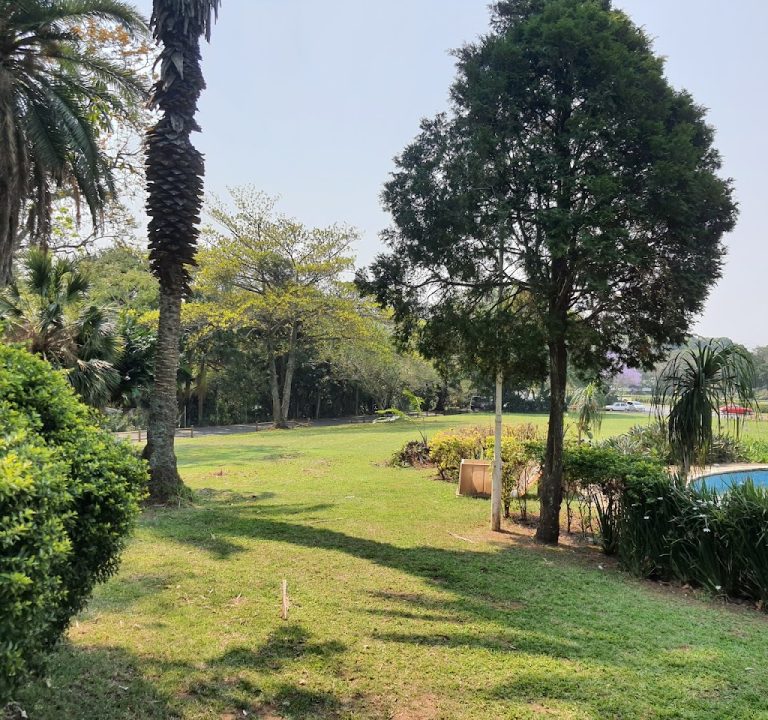
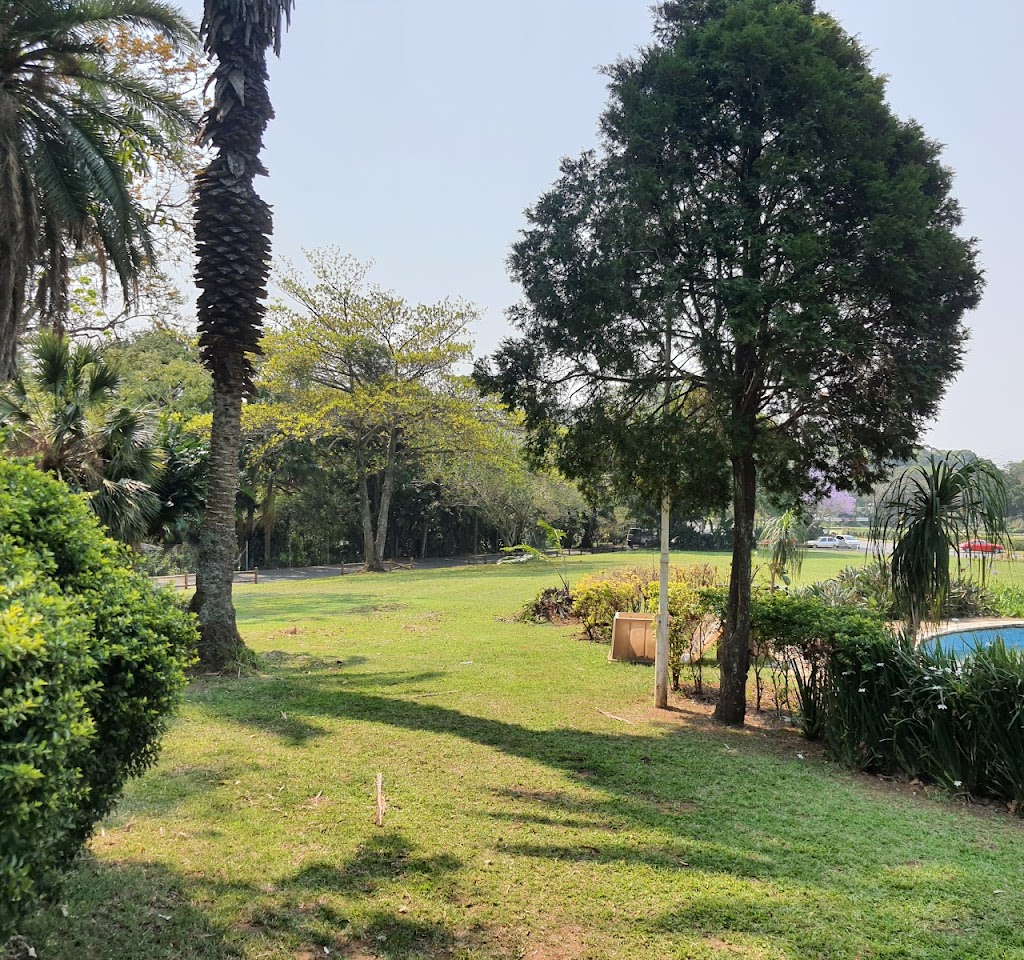
Westville Civic Centre is a Community center establishment in Durban, KwaZulu-Natal, South Africa
Durban
KwaZulu-Natal
3613
South Africa
Sorry, no records were found. Please adjust your search criteria and try again.
Sorry, unable to load the Maps API.
Community Centre Services in Durban, KwaZulu-Natal
Durban, a dynamic coastal city in KwaZulu-Natal, hosts a network of community centres designed to support residents across a broad range of needs. Typically established to strengthen neighbourhood ties, these centres function as accessible hubs for learning, wellbeing, recreation and civic engagement. They are often run by municipal authorities, non-profit organisations, or partnerships between local institutions and volunteers, with the aim of serving diverse communities in and around the city’s various townships and suburbs.
In Durban, community centres provide a mix of services that address educational development, social support, health promotion and cultural enrichment. Foremost among these are after-school and youth programmes, which offer homework assistance, mentoring, skills exploration, sports, arts and cultural activities. Such programmes help young people stay engaged, foster positive peer groups and provide constructive outlets during afternoons and school holidays. Alongside youth work, many centres host programmes for older residents, including social clubs, lunch clubs, walking groups and access to information on social grants and public services.
Health and wellbeing form a core component of service provision. Visitors commonly find wellness clinics, mental health awareness sessions, vaccination drives, screening services and health education talks. These activities are typically organised on a regular schedule, often in collaboration with local healthcare professionals or non-governmental organisations. Basic health information, referrals to clinics, and guidance on accessing public health services are commonly featured to support community members in navigating available care.
Education and skills development are emphasised through literacy and numeracy workshops, computer training, job-seeking assistance, and practical life skills such as budgeting or cooking classes. Vocational training opportunities may be offered in partnership with local organisations, providing pathways to recognised certificates or job-ready competencies, depending on funding and capacity. Centres frequently host community meetings, public forums and capacity-building sessions that enable residents to participate in local governance and neighbourhood improvement projects.
Recreational and cultural activities are widely available to foster social cohesion and a sense of belonging. Sports courts, fitness sessions, arts and crafts workshops, theatre productions, and music activities give participants chances to express creativity and stay active. Some centres also act as venues for traditional performances, language clubs and intercultural exchange programmes, reflecting Durban’s rich multicultural tapestry.
Additionally, centres may offer practical services such as venue hire for community events, space for support groups, and meeting rooms for local organisations. Outreach programmes often focus on families and vulnerable groups, providing information, referral pathways, and assistance with basic needs. Members of the public can typically access these services by visiting during posted hours, with activities scheduled on a recurring weekly basis. In many cases, registration or a modest fee may apply for specific programmes, while core community services remain free or donation-based to ensure broad accessibility.
When engaging with Durban’s community centres, it is useful to consider practical aspects. Proximity and convenient transport links play a crucial role, as do accessibility features for persons with mobility needs. Language considerations are important in a diverse city, with services commonly offered in English and isiZulu, and occasionally additional local languages. Operating hours vary, with after-school, weekend and evening sessions designed to accommodate work and school commitments. Safety protocols, child protection rules, and the presence of qualified staff or trained volunteers are common features that help ensure a secure environment for participants. For newcomers, information about programmes, schedules and eligibility is usually available on notice boards, through local partners, or by speaking with centre staff.
Overall, Durban’s community centres function as inclusive, flexible spaces that support learning, health, culture and social connection. They are instruments for local empowerment, helping residents build skills, access services and strengthen neighbourhood ties within KwaZulu-Natal’s vibrant urban landscape.