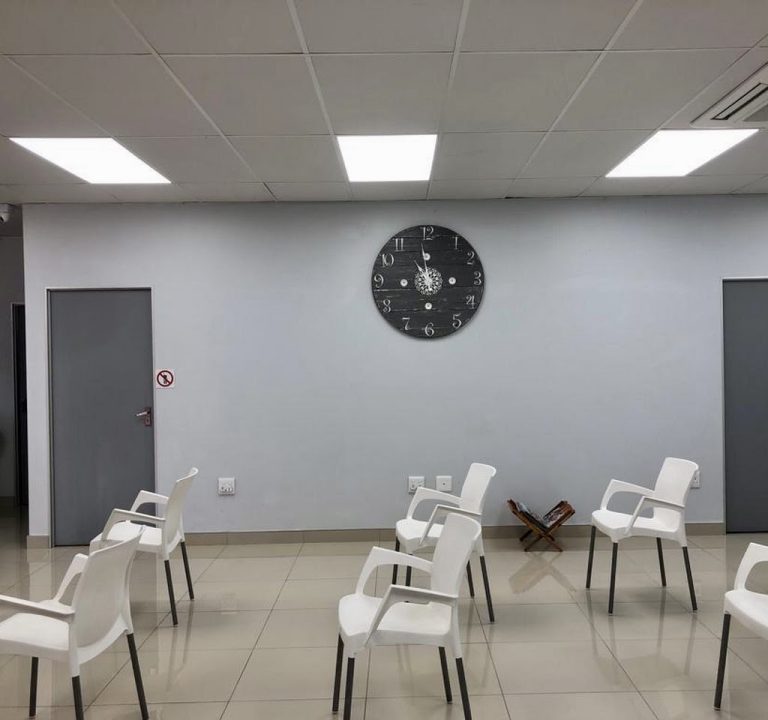
Nasa Dbn (Pty) Ltd. is a Training centre establishment in Durban, KwaZulu-Natal, South Africa
Nasa Dbn (Pty) Ltd: NDT Training Centre in Durban, KwaZulu-Natal
Nasa Dbn (Pty) Ltd operates as an internationally approved centre for non-destructive testing (NDT) training in Durban, with a focus on hands‑on practical instruction aligned to industry standards. The Durban branch is recognised as a Training Organisation (ATO) by the British Institute of Non-Destructive Testing (BINDT) for multiple NDT methods and levels, including Liquid Penetrant Testing (LPI/PT), Magnetic Particle Testing (MT), Ultrasonic Testing (UT), Visual Testing (VT), Radiographic Testing (RT) and Radiographic Interpretation, as well as Eddy Current Testing (ECT) and Phased Array Ultrasonic Testing (PAUT). This affiliation underpins the centre’s ability to prepare students for professional examination pathways through BINDT, as well as to provide PCN examinations through Lavender International UK, subject to the relevant approvals.
The centre emphasises that NDT is a rewarding engineering discipline that assesses materials for surface or internal flaws without causing harm to the tested items. Instruction highlights the careful, procedural approach required in NDT, with emphasis on codes, specifications, and a methodical application of technology across a broad spectrum of techniques. The curriculum and delivery are designed to equip learners with practical competencies that are directly transferable to inspection roles in manufacturing, construction, oil and gas, aerospace, and related sectors where material integrity is critical.
Typical topics and methods taught at the Durban facility include:
- Liquid Penetrant Testing (PT/LPI)
- Magnetic Particle Testing (MT/MPI)
- Ultrasonic Testing (UT, including Level 1 and 2)
- Visual Testing (VT/Welds)
- Radiographic Testing (RT, including X‑ray and Gamma techniques)
- Radiographic Interpretation (RI) for Welds
- Eddy Current Testing (ECT)
- Phased Array Ultrasonic Testing (PAUT)
Training arrangements are complemented by clear procedures for course bookings and examinations. Prospective students are guided to verify space availability, complete the course application form, and process payment in line with the issued quotation before bookings are confirmed. The centre also provides access to the relevant terms and conditions and application forms via its website, reinforcing a formal and transparent enrolment process.
The Durban operation maintains a practical, on-site training environment where full, in‑person instruction is emphasised. The programme is not delivered online; the centre notes that Level 2 training always requires a physical practical element to be conducted at the facility. This ensures that learners gain realistic hands‑on experience that mirrors industry practice and supports successful assessment outcomes.
Location and access details indicate that the main address is 3 Pastoll Road, Pinetown, Sarnia, Durban. The site is approximately 43 kilometres from King Shaka International Airport, with an estimated 40‑minute drive in typical traffic conditions. While accommodation and airport shuttle services are not provided by the centre, it offers recommendations for nearby facilities and vetted transport options to assist international and out‑of‑town students. For practical matters such as arrival times and early/lateness policies, the centre operates lectures starting at 08:00 and typically finishing at 16:00, with guidance to contact staff if delays occur. If more than four hours are missed, sessions may be rescheduled to the next available event to ensure course integrity.
Requests and communications are normally handled via email or phone, with a dedicated team for bookings, results, and examinations. The centre distributes guidelines on what to bring on the first day, including personal identification, educational qualifications, and optional eye‑test documentation, along with stationery provisions essential for practical assessments. The eye test is not mandatory for training, but is a requirement for certification in certain employment contexts and PCN examinations.
Practical tips for customers planning to engage with the Durban centre include:
- Check space availability and confirm attendance by submitting the Course Application Form (Nasa 207) after reviewing terms and price schedule (NASA 131 and NASA 207).
- Prepare essential documents on day one: identity document, proof of highest school qualification, and (if available) an NDT eye test; bring appropriate stationery for the course discipline.
- Be aware that remote or online training is not offered for Level 2 methods due to the hands‑on nature of testing.
- Allow ample travel time from King Shaka International Airport; plan for potential traffic when arranging accommodation and airport transfers using vetted providers recommended by the centre.
- Expect a standard daily start of 08:00 and finish around 16:00, with the possibility of a brief grace period for late arrivals on the first day.
Overall, Nasa Dbn (Pty) Ltd presents a structured, internationally aligned NDT training offering in Durban, aimed at developing practical inspection competencies across a broad range of NDT methods. The combination of BINDT approvals and PCN examination access supports a credible pathway for learners pursuing careers in material integrity assessment and related engineering fields.
Durban
KwaZulu-Natal
3610
South Africa
Sorry, no records were found. Please adjust your search criteria and try again.
Sorry, unable to load the Maps API.
Training Centre Services in Durban, KwaZulu-Natal
Training centres in Durban, KwaZulu-Natal, offer a range of practical programmes designed to improve workforce skills across local industries. Typical services address both foundational learning and more specialised, industry-aligned knowledge. Centres commonly provide short courses, recognised workshops, and extended programmes that combine theory with hands-on practice in modern facilities.
Delivery often blends instructor-led sessions with interactive workshops and practical exercises. Sessions may be held in dedicated training rooms, computer labs, or on-site at client premises. A balanced mix of demonstrations, supervised practice, and formative assessment helps learners progress from introductory concepts to more complex tasks. Where appropriate, groups are structured to encourage collaboration, problem-solving, and real-world application of skills relevant to Durban’s business landscape.
Core offerings typically include health and safety training, regulatory compliance, and industry-specific courses. Health and safety programmes cover essential topics such as risk assessment, emergency response, and occupational standards relevant to South African workplaces. Compliance-based training may focus on labour laws, environmental practices, and workplace ethics, prepared to suit both corporate clients and individual learners seeking to upgrade their credentials.
Technical and vocational tracks are common, with programmes aimed at trades, manufacturing, logistics, and ICT. Practical workshops emphasise essential competencies, from electrical and mechanical basics to programming fundamentals and digital literacy. Short courses in customer service, sales, and communication skills are frequently available to support improving performance in front-facing roles and team interactions.
Durban-based centres also cater to professional development, offering programmes in leadership, project management, and workplace mentoring. These courses are designed to enhance organisational capability, enable effective team supervision, and support career progression within local industries such as hospitality, tourism, and manufacturing. Language and cultural communication training may be included to support diverse workplaces in the region.
In terms of progression, many learners begin with an assessment or needs analysis to identify gaps and tailor learning plans. The intake process typically involves registration, a review of prior qualifications, and scheduling that accommodates full-time, part-time, or blended learning. Assessments, assignments, and practical tasks help gauge competence, with feedback provided to guide subsequent study and practice. Where appropriate, centres may offer examinations or practical demonstrations aligned with recognised standards or industry requirements.
Facilities commonly feature comfortable learning spaces with appropriate ventilation and climate control, reflecting Durban’s subtropical climate. Accessibility considerations are often addressed, ensuring reasonable adjustments for learners with disabilities. On-site amenities may include parking, secure access, and nearby public transport links, easing daily commutes for staff and students operating within the Durban metro area.
Practical considerations for prospective learners include the location within Durban or the wider KwaZulu-Natal region, the flexibility of class schedules to suit working adults, and the availability of customised programmes for small enterprises as well as larger organisations. It is common for training centres to collaborate with local employers to identify industry needs, thereby shaping relevant course content and offering practical placement opportunities where possible. While specific fees, durations, and certifications vary, the focus remains on delivering practical knowledge that translates to improved performance in day-to-day work.
Overall, Durban training centres present a versatile approach to skills development, supported by industry-aligned curricula, practical instruction, and a client-focused ethos. Learners can expect a professional environment where theory is closely integrated with hands-on practice, enabling tangible improvements in competencies across the region’s dominant sectors.