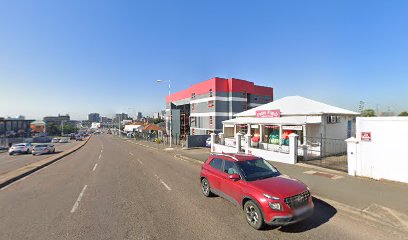
Dr S THAVER is a General practitioner establishment in Durban, KwaZulu-Natal, South Africa
Durban
KwaZulu-Natal
4001
South Africa


Sorry, no records were found. Please adjust your search criteria and try again.
Sorry, unable to load the Maps API.
General practitioner services in Durban, KwaZulu-Natal
In Durban, KwaZulu-Natal, general practitioners (GPs) play a central role in primary healthcare, serving as the first point of contact for adults, children and families. These clinicians operate within a mix of private practices and public clinics, with patients navigating healthcare decisions that emphasise ongoing management, prevention and timely access to medical advice. The city’s diverse population shapes a broad spectrum of common health needs, from routine checks to more complex chronic conditions.
Typical GP services in Durban cover comprehensive consultations that focus on current symptoms, medical history and risk factors. GPs commonly treat acute illnesses such as respiratory infections, flu-like illnesses, gastrointestinal disturbances, minor injuries and skin complaints. For ongoing concerns, many patients rely on GPs for the management of chronic diseases, including hypertension, diabetes and high cholesterol, often coordinating long-term care plans and regular monitoring. Preventive care is emphasised, with routine health assessments, vaccination updates, cancer screening reminders and lifestyle advice designed to reduce future health risks.
Child health is a particular focus in Durban, where GPs frequently provide well-child visits, immunisations in line with national schedules, growth tracking, developmental checks and parental guidance on nutrition and safety. Maternal health is also supported through preconception advice, antenatal guidance and postnatal check-ups, with GPs sometimes collaborating with specialists or midwives as part of a broader care team. Mental health concerns, including stress, anxiety or mood changes, are recognised as part of overall wellbeing, with GPs offering initial assessment, brief counselling or referral to qualified mental health professionals when appropriate.
Diagnostics and care coordination form a core element of GP practice. Basic on-site assessments such as blood pressure, temperature, weight, height and point-of-care tests are common. When necessary, referrals are arranged to laboratories for blood tests or imaging, and results are interpreted to inform treatment plans. GPs also manage medication in a careful, person-centred manner, ensuring prescriptions are suitable for each patient’s conditions and potential interactions with existing therapies. In some clinics, additional services such as minor procedures (for example, wound care or skin lesion assessment) may be offered within the practice.
Practical considerations for accessing GP services in Durban include appointment scheduling options, parking availability, and the proximity of the practice to workplaces or residential areas. Public sector clinics provide essential access to primary care, often with longer waiting times but at no direct cost to eligible patients, while private practices may offer more flexible scheduling and shorter waits, subject to consultation fees and private health cover arrangements. After-hours access varies by clinic, with some practices coordinating with on-call services or providing weekend clinics to accommodate urgent needs outside regular hours.
Patients are typically advised to bring relevant medical information to appointments, such as a list of current medications, any recent test results, and a summary of symptoms or concerns. For ongoing treatment, continuity of care is valued, with the GP keeping a record of medical history to support coordinated care decisions across visits. When specialist care becomes necessary, the GP acts as a guide, organising specialist referrals and communicating findings back to the patient and any involved healthcare providers.
In summary, Durban’s general practitioners offer a broad range of primary care services designed to address everyday health issues, support chronic disease management, and promote preventive care. The approach generally emphasises accessibility, patient-centred communication and care coordination, helping residents navigate both routine and more complex health needs within KwaZulu-Natal’s vibrant urban setting.