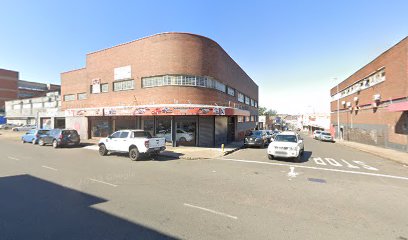
Musallah Umar ibn Khattaab (RA) is a Mosque establishment in Durban, KwaZulu-Natal, South Africa
Durban
KwaZulu-Natal
4001
South Africa
Sorry, no records were found. Please adjust your search criteria and try again.
Sorry, unable to load the Maps API.
Mosque Services in Durban, KwaZulu-Natal
In Durban, KwaZulu-Natal, mosques serve as focal points for worship, learning, and community support within a diverse Muslim population. The range of services typically offered reflects both religious observance and social engagement, ensuring spaces that are welcoming to residents and visitors alike.
Daily prayers form the core of mosque activity. The five daily Salah is observed in congregation where possible, with separate spaces or times often provided to accommodate men and women. Adhan, or the call to prayer, is traditionally heard from the minaret or loudspeakers, marking the rhythm of the day and inviting worshippers to come together. Special prayers during the month of Ramadan, such as Taraweeh, are common, with longer evening sessions and Iftar arrangements to break the fast as a community.
Educational programmes are another essential feature. Many mosques offer Qur’anic studies for children and adults, memorisation (hifz) classes, and lectures on Islamic jurisprudence, ethics, and history. Weekend and after-school programmes aim to support knowledge development for younger generations, while study circles or talks address contemporary issues facing the community. Where available, libraries or resource centres provide access to Islamic literature, translations, and reference materials.
Jumu’ah, the weekly Friday prayer, is a central weekly event for many mosques. It generally combines a short sermon (khutbah) with a larger congregational prayer, drawing attendees from surrounding neighbourhoods and workplaces. These sessions are often followed by community announcements about charitable drives, education programmes, and forthcoming events.
Charitable activities are widely supported through mosque services. Zakat (almsgiving) and Sadaqah (voluntary giving) programmes help sustain food aid distributions, housing support, and assistance for the elderly or vulnerable members of the community. Campaigns may partner with local welfare organisations to ensure coordination and maximise impact, while helping to foster a culture of mutual aid within the Durban Muslim community.
Lifecycle events occupy a meaningful place within mosque offerings. Funeral rites (janazah) services, condolences, and bereavement support are commonly organised in partnership with families and funeral homes. Arrangements for marriage (nikah) blessings or wedding-related ceremonies may be discussed within the mosque’s community guidance framework, subject to local customs and legal requirements. It is standard for mosques to provide information on practical considerations such as venue access, seating, and gender-segregated prayer areas where relevant.
Practical considerations for visitors include modest dress codes, with shoulders, arms, and legs covered in line with traditional expectations, and footwear removed before entering prayer halls. Accessibility varies between mosques; some premises offer ramps or lifts, with childcare or quiet rooms available to support families and individuals with special needs. While most Durban mosques welcome interfaith visitors and provide guidance for respectful conduct, it remains advisable to contact a specific mosque in advance to confirm service times, prayer arrangements, and any visitor guidelines.
Community facilities often extend beyond worship spaces. Social rooms may host study groups, language classes, youth clubs, or women’s circles, contributing to a sense of belonging and support. Food services, when available, typically operate within the bounds of hygienic standards and local regulations, offering refreshments after prayers or during community events.
In essence, mosque services in Durban combine daily worship with education, charitable activity, and communal life. For residents and visitors, the experience tends to be characterised by a welcoming atmosphere, a structured timetable of prayers and lectures, and a practical emphasis on faith-led service to others within KwaZulu-Natal’s vibrant urban landscape.
- Prayer times and Friday prayers are central to mosque life.
- Educational programmes span Qur’an study, tafsir, and jurisprudence.
- Charitable initiatives support food aid, housing, and welfare within the community.
- Lifecycle rites, such as janazah and nikah guidance, are commonly facilitated.
- Facilities vary by mosque; accessibility and visiting guidelines are best confirmed in advance.