Tipper Truck Hire Durban is a Plant and machinery hire establishment in Durban, KwaZulu-Natal, South Africa
Executive Plant Hire (Tipper Truck Hire – Durban) Summary
Executive Plant Hire operates as an all-in-one plant hire provider with a comprehensive fleet designed to cover a wide range of site preparation, earthworks and material handling requirements. Based on the available information, the business presents itself as a one-stop solution for both equipment rental and a supporting transport service, specifically targeting the Durban area within KwaZulu-Natal.
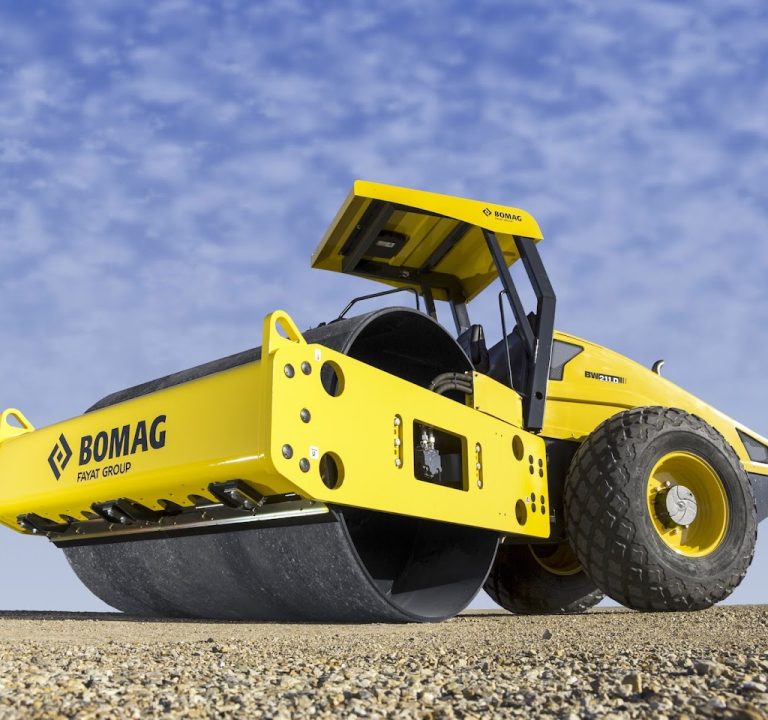
Core equipment and capabilities are emphasised across civil, construction and landscaping projects. The fleet includes a broad selection of earthmoving and loading machines, ranging from excavators of varying sizes to front-end loaders and rollers. Tipper trucks are explicitly listed among the fleet, indicating a focus on moving soil, rubble, sand and other bulk materials conveniently from site to site. The presence of auxiliary machinery such as skidsteers (Bobcats) and their attachments—peckers/hammers, trenchers, augers and sweepers—points to a versatile assortment suited to both excavation and site maintenance tasks. This breadth enables customers to source both primary excavation plant and secondary equipment for progressive site works from a single provider.
Typical job types suggested by the equipment roster include site clearance and earthworks, trenching for drainage or utilities, and general groundwork. The collection of attachments further supports activities such as rock and concrete breaking, drilling for fence posts or foundations, landscaping and debitage removal. Several machines are described as well-suited for confined or awkward spaces, reflecting an understanding of real-world job sites where access may be limited. Landscape contractors, civil contractors and building teams are clearly identified as likely users through the described equipment uses and recommended applications.
Beyond plant hire, the business advertises in-house transport services. The fleet includes lowbed trucks, rollback trucks and crane trucks, indicating additional capability to move heavy equipment between sites and to provide on-site material handling support. This combination of hire and logistics is positioned as a practical advantage for customers seeking to streamline procurement, equipment mobilization and on-site workflows in Durban and surrounding areas.
Operational considerations and how requests are typically managed are implied by the focus on a single source for multiple equipment needs. The presence of a dedicated contact prompt—styled as a phone call option—suggests that customers can initiate enquiries or book equipment directly by telephone, which aligns with a traditional, service-oriented plant hire process common in the industry. The format indicates a conversational, personal approach to scheduling, delivery and job planning, with an emphasis on immediate accessibility for clients needing urgent or time-sensitive equipment support.
Customer experience elements implied by the content include a broad equipment catalogue, clear emphasis on attachments and specialised tools, and a practical, work-ready approach to equipment readiness and deployment. The emphasis on both excavators and loaders, alongside attachments and a transport service, signals an integrated service model that prioritises reliability, on-time delivery and on-site adaptability for diverse project requirements in Durban.
- Main services offered: comprehensive plant hire (excavators, loaders, rollers, forklifts, scissor and boom lifts, Demolishing equipment, and more) with a strong emphasis on earthworks and site preparation.
- Typical job types: site clearance, trenching, earthworks, drainage installations, drilling and piling support, rock/concrete breaking, and general construction materials handling.
- Request workflow: enquiries are prompted by direct contact (phone-based), reflecting a traditional hire process and potential on-site coordination capabilities.
- Location and service area: Durban, KwaZulu-Natal, with in-house transport capabilities to move equipment between sites.
Practical tips for customers include considering a single supplier for both equipment and transport needs to simplify logistics and scheduling. When specifying job requirements, it is beneficial to identify whether attachments such as hammers, augers, trenchers or sweepers are needed to ensure the right machine configuration is available. For space-constrained sites, selecting compact or skidsteer-compatible equipment can optimise access and manoeuvrability. Finally, when planning multi-site projects, leveraging the in-house transport fleet may help coordinate equipment delivery, mobilisation and on-site logistics more efficiently than dealing with multiple third-party providers.
Operational hours are not explicitly stated, nor are specific pricing, certifications or warranties mentioned in the available content. Prospective customers should verify current availability, service terms and any regional coverage details during initial contact, and confirm whether equipment and transport can meet project timelines and site access constraints. The information provided focuses on the breadth of equipment and versatility of services rather than endorsing any particular brand affiliations or performance guarantees.
Durban
KwaZulu-Natal
3610
South Africa


Sorry, no records were found. Please adjust your search criteria and try again.
Sorry, unable to load the Maps API.
Plant and Machinery Hire Services in Durban, KwaZulu-Natal
Durban, a bustling harbour city on the east coast of South Africa, relies on a diverse fleet of plant and machinery to support construction, infrastructure, and industrial projects. The plant and machinery hire sector in KwaZulu-Natal provides access to a range of equipment for short-term and longer-term needs, helping clients manage budget, space, and project timelines without purchasing capital assets outright. Locally available units often reflect the region’s climate, geology, and urban development patterns, including machinery suitable for coastal weather conditions and mixed terrain.
Clients typically engage hire services for a variety of project phases, from site preparation and earthworks to lifting, conveying, and finishing activities. The hiring process generally centres on obtaining equipment that matches the site’s demands, with considerations given to machine capacity, reach, weight, power source, and operational requirements. Equipments’ availability can be influenced by regional demand, transport logistics, and the capacity of local depots to service and maintain machines to a high standard.
What customers can expect from Durban’s plant and machinery hire providers includes clear terms of hire, flexible rental periods, and options for handling either dry hire (equipment only) or wet hire (equipment with an operator). Where operators are supplied, the responsible party typically ensures that personnel hold appropriate qualifications, are trained for the specific machine, and adhere to safety and site protocols. For dry hire, clients must arrange skilled operators separately, or utilise contractor crews who can work safely with the equipment on site. In either case, the emphasis is on safe operation, preventive maintenance, and adherence to site rules and regulatory requirements.
Delivery, installation, and removal are common service elements. Providers arrange transport to the site, deliver machines to suitable locations, and set up equipment for immediate use. At the end of a hire period, equipment is collected or returned, and a routine check is often performed to assess wear, faults, or required servicing. Some contracts include routine maintenance during the hire term, while others require customers to fund or coordinate servicing separately. Clear communication about fuel, refuelling responsibilities, and daily or hourly use charges helps prevent disputes and ensures budgeting remains accurate.
Practical considerations specific to Durban and the wider KwaZulu-Natal area include adherence to local and national regulations governing heavy equipment use, road movements, and environmental conditions. Site access is vital; narrow gateways, uneven terrain, and coastal humidity can affect equipment selection and transport planning. Insurance coverage, risk assessments, and safety plans are important components of the hire arrangement. Clients should verify that equipment meets relevant standards and that regular inspections have been conducted, particularly for machines operating in dusty or sandy coastal environments, or in areas prone to heavy rains and flooding.
Keen to achieve efficiency, many projects in Durban rely on a mix of compact machinery for urban sites and larger plant for open terrain or industrial settings. A typical equipment roster may include earthmoving machines, lifting gear, material handling apparatus, and specialised units for concrete, landscaping, or drainage work. When selecting a supplier, clients often compare available stock, delivery reliability, maintenance regimes, and the clarity of hire terms, rather than pursuing any single characteristic such as branding or prestige.
- Construction excavators
- Wheel loaders and backhoe loaders
- Skid steer loaders
- Telehandlers and forklifts
- Concrete mixers and pumps
- Dumpers and site dumpers
- Compactors and compacting rollers
- Scissor lifts and boom lifts
- Material handlers and trailers
A well-structured hire arrangement in Durban prioritises safety, reliability, and a mutual understanding of responsibilities, enabling projects to progress with minimal disruption while maintaining control over costs and schedules.