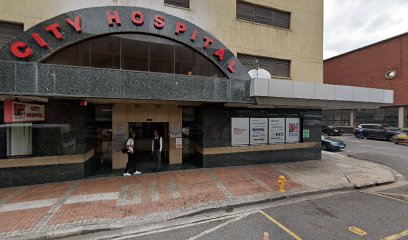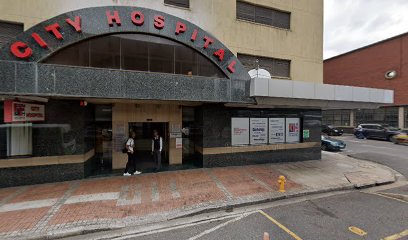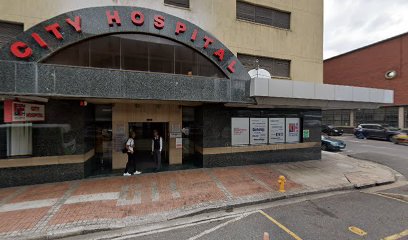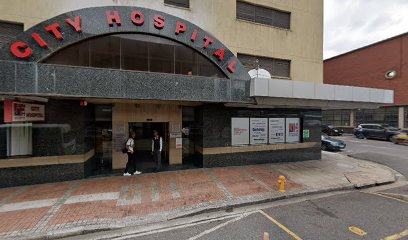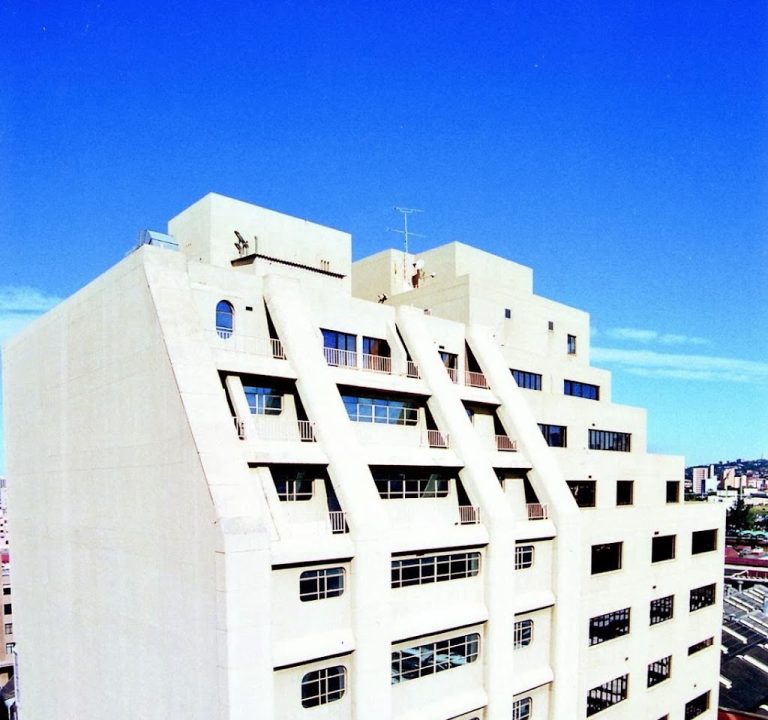
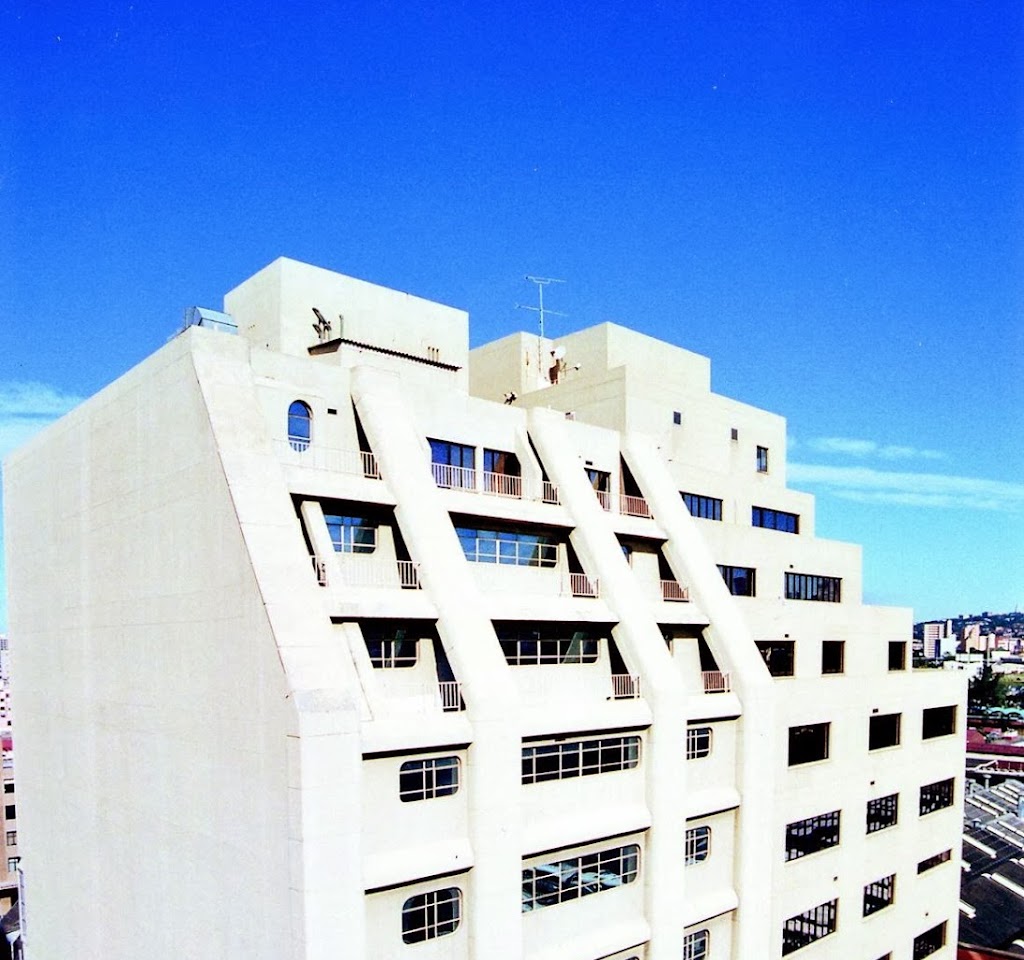
City Hospital is a Private hospital establishment in Durban, KwaZulu-Natal, South Africa
City Hospital, Durban: Private hospital services and patient experience
City Hospital forms part of the Joint Medical Holdings (JMH) network, a sizeable group of private healthcare facilities in KwaZulu-Natal. Located in Durban’s central business district, City Hospital is positioned to offer accessible private medical care within the urban area. The JMH portfolio emphasises quality, compassionate care delivered by a broad team of specialists and allied health professionals across its hospitals, with City Hospital contributing to this wider provincial network.
The hospital presents itself as a general private hospital within the Durban CBD, aiming to combine quality care with cost-conscious options for patients in need of private healthcare. Its inclusion in the JMH family places it among multiple acute, sub-acute and day hospitals that are designed to support a range of clinical needs, from admissions to outpatient management. A key facet of City Hospital’s approach is the integration of specialist services and departments that reflect broader group offerings.
Main services offered and departments associated with City Hospital align with JMH’s specialised infrastructure. The network highlights several “special departments” that are commonly associated with its hospitals, including Breast Clinic, Cardiac Clinic, Day Hospitals, Dedicated Ambulance Services, Mental Health, Oncology, Ultra Kidney Care, Cardiology, Neurosurgery and Vascular Surgery. While specific services at City Hospital are not itemised in detail on the overview page, the emphasis on these departments signals a comprehensive tertiary and secondary care capability within the Durban campus and the broader JMH system.
In addition to in-hospital disciplines, City Hospital benefits from JMH’s extended services. These include access to ambulanced transport through Citimed Ambulances and financing options to assist patients with the cost of care. The network’s approach to patient access and affordability is reinforced by information about designated service provider hospital network arrangements and discounted rates for certain services, suggesting a structured pathway for patients to navigate private health fees and insurer expectations.
Postnatal and maternal care features are signposted within the JMH family under the Mother & Childcare umbrella, indicating that City Hospital may be part of broader maternity-oriented offerings within the group. This aligns with expectations for private hospitals to provide family-centred care, including obstetric and neonatal components where available across the network.
The facility’s address on the JMH site places City Hospital in Durban, with the street address identified as 83 Ismail C Meer Street. This location situates the hospital within the urban core, facilitating access for patients from across Durban and the surrounding KwaZulu-Natal region. As part of a group with seven hospitals and more than a thousand employees, City Hospital benefits from the scale of a national private healthcare network, including access to an extensive roster of over 470 specialists and allied professionals within JMH.
From a customer-experience perspective, the City Hospital offering is framed within a multi-facility ecosystem that emphasises care and compassion, professional expertise, and a comprehensive service menu. The presence of a dedicated “Tour” resource on the JMH site suggests a commitment to helping prospective patients understand the hospital environment and services before admission, which can ease the planning and decision-making process for families and individuals requiring private care.
Typical patient journeys at City Hospital are likely to involve initial assessment and triage, referral or direct admission to a chosen department, and ongoing collaboration with specialised teams. Given the network’s emphasis on private healthcare delivery, patients can anticipate access to consultation with specialists, diagnostic and treatment pathways, and the possibility of day-hospital or ambulatory care where appropriate.
Practical tips for customers planning care at City Hospital include checking which services are readily available at the Durban campus and confirming any financing arrangements or insured options in advance. It may also be helpful to review the hospital’s proximity to reputable ambulance services and to understand whether there are designated service provider arrangements that could influence costs and claims. For visitors, awareness of the central location and convenient city access can help in planning appointments and improving the overall patient experience.
Overall, City Hospital sits within a well-established private healthcare network in KwaZulu-Natal, offering access to a broad range of specialised departments, partnerships with emergency transport and financial options, and a localisation within Durban that supports patient convenience and continuity of care across the JMH group.
Durban
KwaZulu-Natal
4001
South Africa

Sorry, no records were found. Please adjust your search criteria and try again.
Sorry, unable to load the Maps API.
Private hospital services in Durban, KwaZulu-Natal
Private hospital services in Durban, KwaZulu-Natal, form a crucial part of the region’s health care landscape, offering an alternative to public facilities with dedicated clinical teams, modern facilities and a focus on patient comfort. In urban centres and surrounding suburbs, private hospitals typically provide a wide range of medical and surgical services supported by diagnostic imaging, laboratory services and specialist outpatient clinics. The environment is generally geared towards efficiency, accessibility and enhanced privacy, with care coordinated by specialists, nurses and allied health professionals.
In many Durban private hospitals, elective surgery is a central feature. Procedures across disciplines such as orthopaedics, gynaecology, general surgery, ENT, urology and ophthalmology are commonly available, subject to pre‑operative assessment and appropriate medical clearances. Outpatient and same‑day surgery pathways are often supported by day‑case units, recovery suites and postoperative care plans. For patients needing ongoing monitoring, inpatient beds, private or semi‑private rooms and access to dedicated nursing teams are standard elements of the stay.
Diagnostic and imaging services are typically integrated within private hospital campuses. On‑site technologies may include X‑ray, ultrasound, CT and MRI where available, providing timely results to guide treatment decisions. In many cases, imaging is linked to a broader diagnostic service offering, enabling streamlined referrals from specialists and rapid escalation if intensive investigations are required. Pathology and laboratory services are commonly available to support both inpatients and outpatients, helping to confirm diagnoses and monitor treatment progress.
Maternal health and paediatric care are important components, with private facilities frequently offering comprehensive maternity services, including antenatal clinics, delivery suites and postnatal care. Some hospitals provide dedicated neonatal support and specialist rooms for families, while others coordinate with community services to ensure continuity of care after discharge. Across all departments, patient comfort, privacy and dignity are emphasised, with options for private or semi‑private accommodation where available.
Critical care and intensive medical support are accessible in larger private hospitals, with intensive care units (ICUs) and high‑dependency units (HDUs) offering monitored care for patients requiring closer observation. Specialist services such as cardiology, neurology, oncology and endoscopy may be available on the hospital campus or through affiliated partners, with multidisciplinary teams working together to develop personalised treatment plans.
Practical considerations include how private hospital services are funded and accessed. In South Africa, private patients commonly utilise private medical schemes or medical aid, with pre‑authorisation and benefit checks often requested before certain procedures. For self‑funded patients, cash payments or instalment plans may be discussed, subject to hospital policy. Appointment scheduling, admissions and discharge processes commonly involve straightforward documentation and clear communication with medical teams. Patients should consider transport arrangements, family visiting policies, and access to support services such as social work or discharge planning as part of a recovery plan.
A typical patient journey involves initial consultation with a specialist, diagnostic assessments, a treatment or intervention plan, and a defined recovery pathway. After discharge, follow‑up appointments, rehabilitation or home care arrangements may be arranged, ensuring continuity of care. While reputations and facilities vary among institutions, Durban’s private hospitals generally prioritise clinical standards, patient safety and supportive services to assist individuals and families during potentially stressful health events.