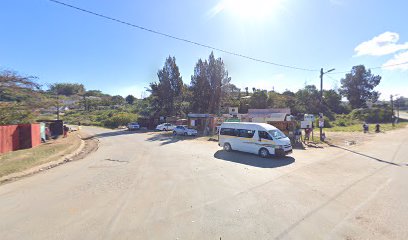
Brothers of Faith is a Non-profit organization establishment in Durban, KwaZulu-Natal, South Africa
Durban
KwaZulu-Natal
4309
South Africa
Sorry, no records were found. Please adjust your search criteria and try again.
Sorry, unable to load the Maps API.
Non-profit Organisation Services in Durban, KwaZulu-Natal
Non-profit organisations operating in Durban, KwaZulu-Natal, provide a wide range of services aimed at addressing social, environmental and community needs. In this coastal city, such entities typically focus on empowering marginalised groups, supporting vulnerable individuals and fostering community resilience. The work often spans advisory, programmatic and administrative activities designed to maximise impact within local neighbourhoods and across the wider province.
A core area centres on community development and social services. Organisations may run capacity-building programmes, mentorship schemes, and safe-housing or support services for those facing hardship. Partnerships with local schools, clinics and civic groups are common, enabling coordinated efforts to improve access to education, healthcare, nutrition and basic welfare. In addition, purposes frequently include human rights advocacy, gender equality initiatives and efforts to promote inclusive community participation.
Volunteer management and community engagement represent essential operational elements. Non-profits in Durban commonly recruit and coordinate volunteers to support events, outreach campaigns and service delivery. Clear policies and practical training help ensure safety, consistency and quality in front-line work. Community consultation, listening sessions and feedback mechanisms enable organisations to tailor initiatives to local needs, track progress and demonstrate accountability to beneficiaries and funders alike.
Fundraising, grant preparation and financial stewardship are fundamental to sustaining programmes. Organisations typically explore diverse funding streams, including grants from government entities, philanthropic foundations and corporate social investment (CSI) programmes. Transparent budgeting, regular reporting and compliance with regulatory requirements are emphasised to safeguard public trust and the long-term viability of activities. While specific funding opportunities vary, the emphasis remains on prudent planning, measurable outcomes and responsible use of resources.
Programme design and delivery often prioritise practical, outcome-focused interventions. Services may cover education and skills development, youth empowerment, health promotion, community safety, environmental sustainability and enrichment activities for families. Projects are usually structured with defined milestones, performance indicators and monitoring arrangements to assess impact and iterate based on lessons learned.
Compliance, governance and risk management are important considerations. Durban-based non-profits typically operate under national and provincial legal frameworks governing charitable organisations, employment, procurement and safeguarding. Good governance practices emphasise clear Board oversight, conflict-of-interest policies, financial accountability and ethical fundraising. Risk management includes safeguarding vulnerable participants, data protection and ensuring robust safeguarding policies for all staff and volunteers.
A typical client or beneficiary experience involves confidential intake, informed consent, and careful matching of services to individual or community needs. Service delivery is framed around accessibility, with consideration given to transport, language, cultural respect and local context. Where appropriate, organisations facilitate referrals to additional social supports, healthcare services or legal aid, creating a coordinated network of assistance.
Practical considerations for engaging with Durban’s non-profit sector include understanding the local geography, community dynamics and resource availability. Organisations often operate with modest premises or remotely through schools, community centres and partnerships. Prospective funders, partners or volunteers are encouraged to assess alignment with stated community priorities, track record of impact, and the soundness of management practices before committing support.
- Key service areas in Durban include community development, education and skills training, health and welfare support, environmental programmes and advocacy.
- Beneficiaries can expect respectful service delivery, clear information about available aid, and transparent opportunities for involvement and feedback.
- Prospective collaborators should seek organisations with robust governance, transparent financial practices and a demonstrated commitment to ethical practice and safeguarding.