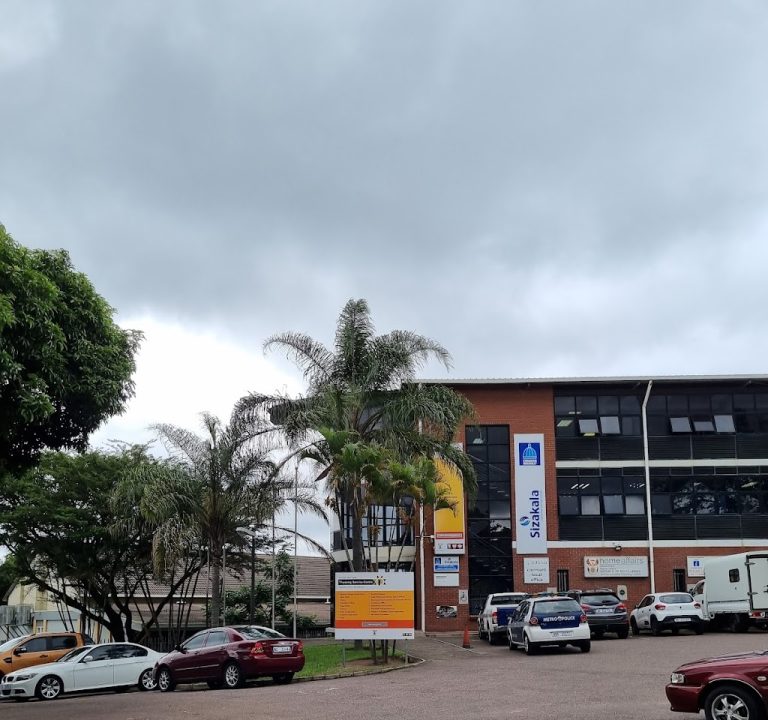
ETHEKWINI MUNICIPALITY- Sizakala is a City government office establishment in Durban, KwaZulu-Natal, South Africa
Durban
KwaZulu-Natal
3610
South Africa
Sorry, no records were found. Please adjust your search criteria and try again.
Sorry, unable to load the Maps API.
City government office services in Durban, KwaZulu-Natal
In Durban, the city government operates through the eThekwini Metropolitan Municipality, delivering a broad range of public services aimed at supporting residents, businesses and visitors. These services are typically organised through district offices and the central municipal administration, with locations that are designed to facilitate easy access by the local community. The city emphasises accountability and transparency, presenting information on service delivery standards, processing times and contact channels to help residents understand what to expect.
Core offerings cover essential administrative and civic needs. Residents may visit municipal offices to obtain or update documents such as birth and death certificates, rates accounts, and identity-related records where applicable. Building and planning services include the submission of development plans, building plan approvals, and related permits. Businesses may engage with the city for licences and permits, environmental compliance information, and zoning advice. The city also manages public health and safety programmes, which can involve health inspections, waste management services, and reporting of infrastructure faults such as water leaks or faulty street lighting.
Waste and environmental services form a prominent part of the Durban city experience. Routine refuse collection, recycling initiatives, and bulk waste management are coordinated through designated service sections. Residents are often advised on collection days, bulk waste drop-off points, and the proper preparation of rubbish for collection. Water, sanitation and drainage services are allocated through metered accounts and municipal plumbing and sewerage guidance, with support channels available for reporting leaks, blockages, or service disruptions.
Municipal performance in Durban also encompasses housing and city planning. Housing information may be provided through specific directorates that address social housing, housing allocations, and related welfare programmes. Planning and development guidance helps residents understand building regulations, neighbourhood planning, and land use considerations. For investors and developers, the city typically offers zoning advice, building regulations outlines, and timelines for approvals, accompanied by public participation processes where applicable.
Public communications are designed to keep residents informed about service standards and changes to operating hours or service points. Citizens can access information regarding service request submission, status updates, and expected processing times. The city generally supports a variety of channels, including in-person visits, telephone contact, and official online portals for non-urgent inquiries and payment arrangements. Information on how to lodge complaints or provide feedback is commonly available, ensuring accountability and avenues for escalation if service levels do not meet expectations.
Practical considerations for engaging with Durban’s city offices include preparing the necessary documentation before visits, such as proof of residence, identification, and any referrals or application numbers related to the service sought. Visitors should verify office hours, as these can vary by department and location. Parking facilities, accessibility for people with disabilities, and language support are practical factors that influence the experience of dealing with municipal offices. It is advisable to arrive early or to seek appointments where available, particularly for more complex matters such as property development or licensing submissions.
Overall, city government office services in Durban are structured to provide a coherent pathway for residents and businesses to access essential municipal functions. By understanding the typical service categories, the expected documentation, and the standard procedural flow, users can navigate the system with greater confidence and efficiency, contributing to smoother interaction with local government and timely resolution of civic needs.