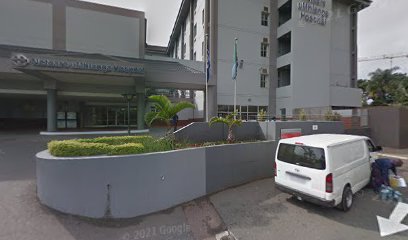
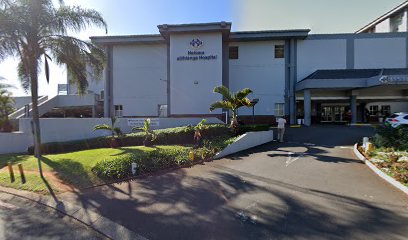
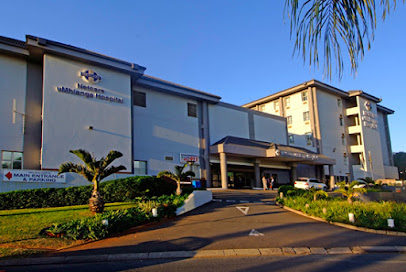
Netcare uMhlanga Hospital is a General hospital establishment in Durban, KwaZulu-Natal, South Africa
Durban
KwaZulu-Natal
4320
South Africa

Sorry, no records were found. Please adjust your search criteria and try again.
Sorry, unable to load the Maps API.
General Hospital Services in Durban, KwaZulu-Natal
General hospital services in Durban, KwaZulu-Natal, are designed to provide comprehensive medical care to residents and visitors within a public health framework and to support private patients where applicable. Hospitals in the area commonly offer a broad spectrum of departments and programmes aimed at stabilising conditions, delivering routine and urgent care, and supporting ongoing recovery and rehabilitation. The emphasis is on accessibility, coordinated care, and the utilisation of multidisciplinary teams to manage a diverse range of health needs.
Emergency and urgent care is a core component of Durban’s general hospital offering. The emergency department operates as the frontline for acute illness, injury, and sudden medical events, with triage processes to prioritise care based on severity. After initial assessment, patients may be admitted for inpatient management or guided to appropriate outpatient pathways. Emergency services are typically complemented by rapid access to diagnostic imaging, laboratory testing, and specialist consultation as required.
Inpatient services cover general medicine and surgery, with admission pathways managed through referral or self-presentation depending on the patient’s condition. General medicine teams address a wide array of non-surgical medical issues, chronic disease management, and acute illnesses, while general surgery handles procedures across common abdominal, soft-tissue, and minor surgical domains. More complex cases may involve multispecialty collaboration, intensive monitoring, and postoperative care.
Maternity and paediatric services are commonly available, reflecting the area’s population needs. Obstetric care includes ante-natal monitoring, delivery, and postnatal support, with facilities designed to accommodate normal births and higher-risk pregnancies where appropriate. Paediatric departments focus on child health, growth and development, immunisations, and treatment for common paediatric conditions, with access to child-friendly spaces and family-centred care.
Diagnostic and therapeutic services support clinical decision-making throughout hospital stay and in outpatient settings. Radiology departments provide imaging tools such as X-ray and ultrasound, while laboratory services perform essential tests used to diagnose conditions, monitor treatment, and inform clinical decisions. Pharmacology and pharmaceutical services ensure safe medication management for inpatients and outpatients, with systems in place for prescription dispensing, anticoagulation monitoring, and antimicrobial stewardship where feasible.
Specialist consultations and clinics are typically available either within the hospital or by referral from primary care. Departments may include internal medicine, orthopaedics, obstetrics and gynaecology, ENT, urology, and other sub-specialties as staffing and patient demand dictate. Where time permits, outpatient clinics provide follow-up appointments, routine monitoring, and rehabilitation planning without the need for admission.
Rehabilitation and support services play a key role in recovery. Physiotherapy, occupational therapy, and speech and language therapy assist patients recovering from surgery, trauma, or medical illness. Social work and discharge planning services help coordinate post-hospital care, home adaptations, and community-based support, ensuring a smoother transition from hospital to daily life.
Practical considerations for patients and their families include arrival times for planned procedures, understanding admission procedures, and knowing what to bring to hospital, such as identification, insurance information, and a list of medications. Parking facilities, access for public transport, language assistance, and visitor policies can vary by hospital and department, so it is prudent to check local arrangements in advance. Overall, Durban’s general hospital services aim to deliver patient-centred care through a collaborative clinical approach, efficient acute care pathways, and supportive aftercare to address the health needs of the KwaZulu-Natal community.