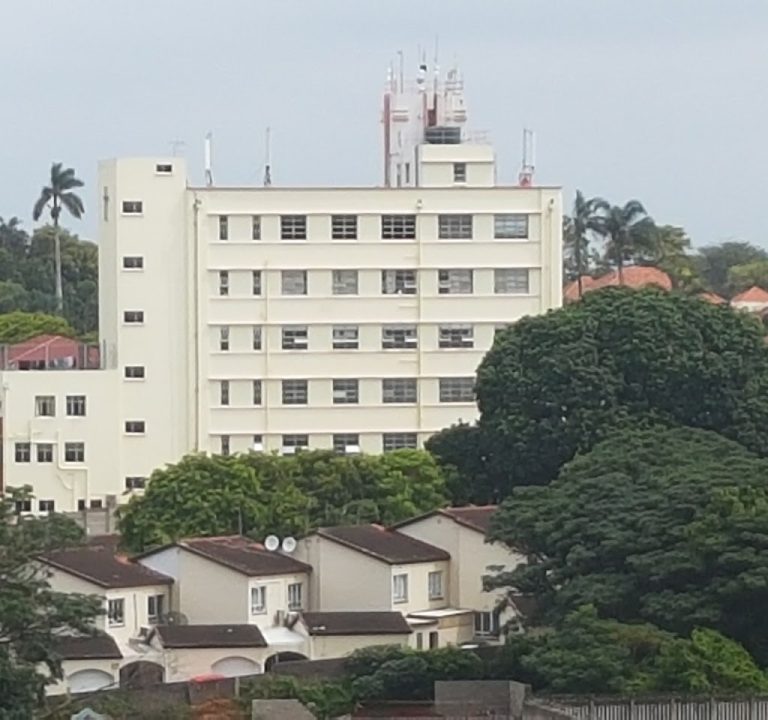
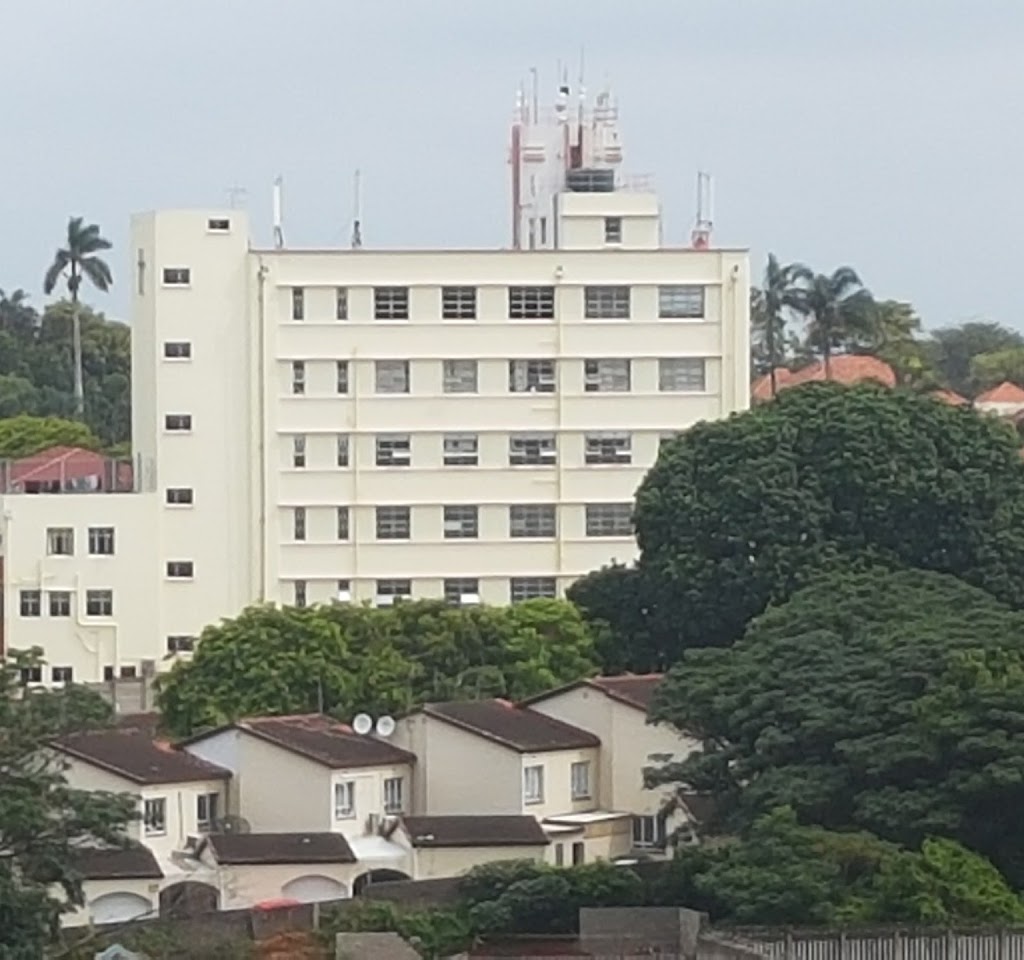
McCord Hospital-ER is a Hospital establishment in Durban, KwaZulu-Natal, South Africa
Durban
KwaZulu-Natal
4001
South Africa
Sorry, no records were found. Please adjust your search criteria and try again.
Sorry, unable to load the Maps API.
Hospital Services in Durban, KwaZulu-Natal: An Overview for Visitors and Residents
Durban, a coastal city in KwaZulu-Natal, offers a range of hospital services designed to meet both urgent medical needs and ongoing health management. The urban healthcare landscape includes public facilities funded by the government and private hospitals operated by regional health groups. In both sectors, the emphasis is on delivering timely care, clinically supervised treatment, and pathways for follow‑up and rehabilitation.
Emergency and acute care are central to hospital provision in Durban. Public and private hospitals usually operate dedicated emergency departments that handle trauma, sudden illnesses, and critical conditions around the clock. When arriving at a hospital, patients are typically triaged to determine the severity of their condition and priority for treatment. From there, admission decisions are made by medical teams, with diagnostic tests arranged as needed. Waiting times can vary based on clinical urgency, bed availability, and the time of day, but staff are trained to prioritise life‑threatening issues.
Inpatient services cover a broad spectrum of medical and surgical care. Hospitals provide general medical wards and specialised units for areas such as cardiology, oncology, orthopaedics, neurology, and intensive care when required. The length of stay depends on the condition, treatment plan, and recovery trajectory. Discharge planning commonly involves care teams coordinating medications, follow‑up appointments, and home care instructions to support a smooth transition back into the community.
Maternity and paediatric services are a key component of Durban’s hospital network. Antenatal clinics, delivery suites, and postnatal care are typically available in larger facilities, with comprehensive newborn assessments and early developmental monitoring. Paediatric departments address the health needs of children from infancy through adolescence, offering vaccinations, growth checks, and management of common childhood illnesses.
Outpatient and day‑case services are frequently utilised by residents and visitors seeking non‑urgent consultations, diagnostic testing, and minor procedures. Specialised clinics may exist for chronic disease management, such as diabetes, hypertension, and asthma, alongside routine general practice and medical subspecialties. Diagnostic imaging and laboratory services form a critical support layer, enabling radiology investigations (X‑rays, ultrasound, CT or MR imaging where available) and laboratory analyses to inform treatment decisions.
Rehabilitation and post‑operative care form an integral part of the hospital experience. Physical therapy, occupational therapy, and speech and language therapy assist with recovery after surgery, injury, or illness. Pressure is placed on developing discharge plans that include home exercise regimens, equipment needs, and community‑based support services to maintain progress outside hospital walls.
Infection control, patient safety, and clear communication are essential in Durban’s hospitals. Visitors are usually encouraged to check hospital policies on visiting hours, ward restrictions, and COVID‑19 or other infection prevention measures. Interpreting services and patient advocates may be available to assist, particularly in settings where language differences exist or where complex medical information requires careful explanation.
Practical considerations for accessing hospital care in Durban include confirming the most appropriate facility for the medical need—public facilities for publicly funded care and private hospitals for potentially shorter waits and a higher level of ancillary services, subject to funding arrangements. Transportation, especially for rural or coastal areas, may influence the choice of facility, and many hospitals provide advice on parking, caregiver accommodation, and translation services. For visitors and residents alike, planning ahead with a primary care clinician or telehealth option can support timely access to appropriate hospital services when emergencies arise.