AHA Medical – Musgrave Park DBC Functional Rehabilitation Centre (GP, Biokinetics & Physiotherapy) is a Medical Center establishment in Durban, KwaZulu-Natal, South Africa
AHA Medical – Musgrave Park DBC Functional Rehabilitation Centre (GP, Biokinetics & Physiotherapy) – Durban, KwaZulu-Natal
Located in the Musgrave area of Durban, AHA Medical operates as a multi-disciplinary clinic bringing together General Practitioners, Biokineticists and Physiotherapists under one roof. The Musgrave Park branch is part of a broader network dedicated to conservative rehabilitation for musculoskeletal injuries, with a specialised focus on back and neck pain through the Documentation Based Care (DBC) programme. The centre emphasises evidence-based practice and aims to guide treatment with objective documentation and patient outcomes at the core.
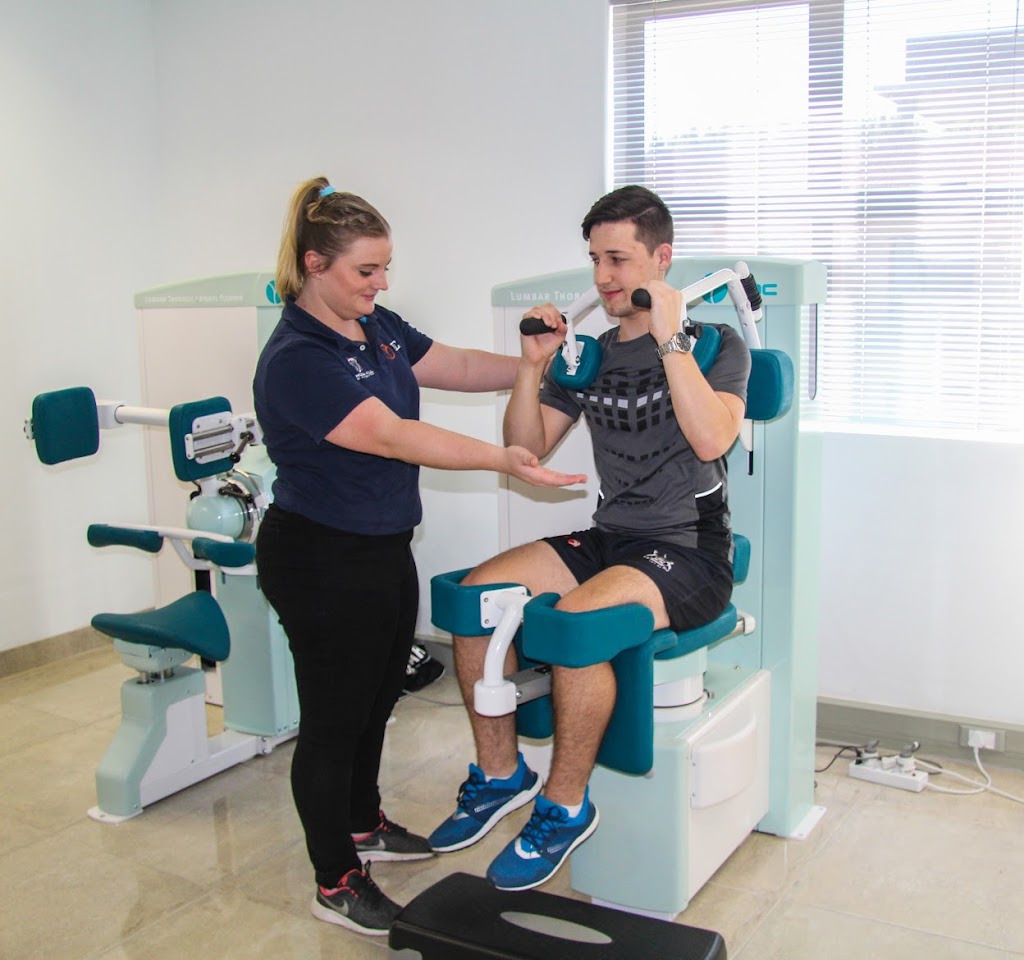
The core services revolve around functional rehabilitation for both chronic and acute conditions. AHA Medical’s team treats a range of musculoskeletal issues, including post-injury rehabilitation, sports-related injuries and ongoing back and neck pain. The DBC approach distinguishes the clinic by combining physical rehabilitation exercises, manual therapy and education to support patients through the recovery journey. The programme integrates a Cognitive-Behavioural Approach (CBA) to address factors beyond physiology that can influence pain, supporting a holistic Pain Management strategy.
Practitioners at the Musgrave Park site include qualified Biokineticists and Physiotherapists, with General Practitioners who are also DBC-accredited. This multi-disciplinary roster enables a coordinated plan of care, especially for patients enrolled in the DBC Back & Neck programme. The centre’s emphasis on evidence-based care seeks to optimise functional restoration, aiming to return patients to activity and daily life as swiftly and safely as possible.
In the DBC framework, treatment typically blends physical rehabilitation with education about pain neuroscience and lifestyle changes. The programme highlights functional outcomes and gradual progression, supported by objective assessments. By prioritising functional restoration, the centre seeks to reduce pain-related limitations and improve overall quality of life for patients dealing with chronic conditions or acute injuries.
Customer experiences at AHA Medical’s Musgrave Park clinic suggest a multi-disciplinary and goal-oriented environment, where practitioners collaborate to tailor treatment plans. The clinic’s documentation-based posture, combined with manual therapy and guided exercise, reflects a comprehensive approach designed to address both symptoms and root causes. The inclusion of CBA highlights an emphasis on understanding external factors that can impact pain, such as emotional and environmental influences, in addition to physical conditioning.
The clinic also positions itself as accessible to a range of patients, treating private patients as well as those enrolled in the DBC programme. This dual approach supports continuity of care across different payment models and treatment pathways. The experience is reported to be collaborative, with practitioners who communicate clearly about the rehabilitation process and expected milestones, helping patients stay engaged and motivated throughout recovery.
Typical service offerings at the Musgrave Park location include diagnosis and assessment, therapeutic exercise programmes, manual therapy, modalities to support rehabilitation, and continued education on activity modification and self-management strategies. The DBC component provides a structured framework for monitoring progress, using objective data to guide treatment decisions and adjustments as needed.
Practical tips for prospective patients or clients include preparing for an initial assessment by bringing relevant medical history, imaging results (if available) and a list of current medications. A clear discussion of goals—such as improved mobility, return to sport, or pain reduction—can help practitioners tailor the rehabilitation plan effectively. Patients are advised to engage actively with prescribed exercises, attend follow-up sessions as scheduled and communicate any changes in symptoms promptly to the care team.
Regarding access and logistics, the Musgrave Park site serves the Durban area and surrounding communities seeking conservative management of back and neck pain, as well as sports rehabilitation services. While specific business hours are not listed in the available content, the clinic supports online and WhatsApp-based contact options for initiating conversations and arranging visits, reflecting a contemporary approach to patient communication and appointment scheduling.
- Main services offered: GP oversight, physiotherapy, biokinetics, DBC-based back and neck rehabilitation, cognitive-behavioural approaches to pain management, manual therapy, structured rehabilitation programmes, and patient education.
- Typical job types / patient categories: individuals with chronic or acute back or neck pain, postoperative or post-injury rehabilitation, and athletes requiring return-to-sport programmes.
- How requests usually work: initial enquiry via online channels or direct messaging, followed by assessment and development of a personalised rehabilitation plan; ongoing monitoring through objective measures to guide progression.
- Practical tips: bring relevant medical information to the first visit, be clear about rehabilitation goals, adhere to home exercise instructions, and maintain open communication with the care team.
Durban
KwaZulu-Natal
Musgrave, Durban
South Africa
Sorry, no records were found. Please adjust your search criteria and try again.
Sorry, unable to load the Maps API.
Overview of Medical Centre Services in Durban, KwaZulu-Natal
Medical centres in Durban, KwaZulu-Natal, typically provide a broad range of primary and ancillary healthcare that caters to diverse community needs. These facilities often function as convenient access points for routine medical care, preventive screening, chronic disease management, and urgent but non-emergency services. The environment tends to emphasise patient comfort, efficient triage, and clear pathways for referral when more specialised attention is required.
The core offerings usually include general practice consultations for acute illnesses, routine check-ups, vaccinations, and health education. Patients can expect short wait times for standard visits, with reception staff guiding them through appointment scheduling and patient registration. Many centres also provide after-hours or extended-hour access to urgent care for conditions that are not life-threatening, complemented by clear instructions on when to seek emergency services.
In addition to medical consultations, these centres typically organise a suite of diagnostic services either on-site or via linked laboratories. Common on-site tests may cover basic blood work, urine analysis, and essential imaging or diagnostic referrals. When more complex investigations are needed, patients are usually referred to nearby laboratories or imaging facilities with efficient transfer of medical information to support timely follow-up.
Chronic disease management is a staple across Durban’s medical centres. Protocols generally emphasise regular monitoring for conditions such as hypertension, diabetes, and high cholesterol, along with lifestyle advice and medication management. Individual care plans are commonly developed in partnership with the patient, subject to available resources and regional practice guidelines. Multidisciplinary teams, including nurses and allied health professionals, can contribute to education on diet, exercise, and wound care, to help maintain long-term health outcomes.
Preventive care remains a priority, with services designed to support early detection and vaccination programmes. Routine immunisations for both adults and children, age-appropriate screenings, and travel health advice are frequently offered. Information on personal risk factors and family history may be collected to tailor screening schedules and reduce the likelihood of later complications.
Practical considerations for patients accessing Medical Centre services in Durban include accessibility, appointment systems, and affordability. Centres often aim to be conveniently located with public transport options nearby, and consideration is given to accessibility for families, elderly patients, and individuals with mobility challenges. Payment processes typically involve standard health insurance arrangements, cash payment, or card facilities, with clear guidance on what is covered by public healthcare schemes or private plans. It is common for reception staff to explain the anticipated costs for non-essential services and to arrange follow-up appointments if needed.
Patients can expect straightforward triage procedures upon arrival, enabling rapid identification of those requiring urgent care versus routine appointments. Safety practices, such as proper sanitation, patient privacy, and clear clinical notes, are usually emphasised to ensure a trustworthy care journey. For those requiring specialist input, efficient referral pathways are maintained, with laboratories and imaging centres coordinating to deliver timely results and enhanced continuity of care.
In summary, Durban’s Medical Centres typically combine accessible primary care with essential diagnostic and preventive services, underpinned by practical arrangements that support continuity, affordability, and patient convenience. The emphasis remains on delivering reliable health support for everyday medical needs while guiding individuals towards appropriate levels of specialised attention when necessary.