no-image
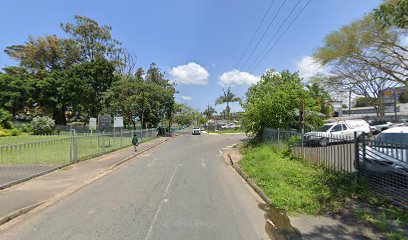
Malvern Primary School is a Primary school establishment in Durban, KwaZulu-Natal, South Africa
Durban
KwaZulu-Natal
4093
South Africa

no-image
Sorry, no records were found. Please adjust your search criteria and try again.
Sorry, unable to load the Maps API.
Primary school services in Durban, KwaZulu-Natal: a concise overview
Durban, situated on the KwaZulu-Natal coast, hosts a diverse range of primary education options designed to support children from the reception year through Grade 7. Schools in this region typically emphasise a holistic approach that blends foundational academics with personal development, well recognising the local bilingual and multilingual context. The landscape includes English and Afrikaans medium schools, alongside institutions offering bilingual or isiZulu provisions, reflecting the cultural and linguistic variety of the city.
Core schooling services focus on delivering the national curriculum through structured lessons that build literacy, numeracy and core scientific and social studies competencies. Instruction is usually delivered across a broad timetable, incorporating language arts, mathematics, science, social sciences, arts and physical education. Many Durban primary schools integrate technology and library facilities to enrich learning, while also prioritising a supportive classroom environment designed to address varied learning needs. Assessment typically benchmarks progress against grade-level objectives, with periodic reporting to parents to track development across terms.
Beyond academic coursework, schools commonly offer extensive aftercare and supervision programmes. These may include supervised homework sessions, organised physical activities, creative arts clubs and basic recreational facilities. Such programmes aim to extend the school day in a safe, supervised setting, which can be particularly valuable for working parents. In addition, some schools provide transport arrangements, either through school-run bus services or approved transport partners, subject to demand and routes within the Durban metropolitan area.
Wellbeing and safeguarding form an integral part of primary services. Most institutions provide access to first aid, health checks and designated staff responsible for pupil welfare. Guidance counsellors or support coordinators are often available to assist with social or emotional development, while inclusive education programmes strive to accommodate learners with additional support needs. Medical protocols, consent requirements for external providers, and clear procedures for reporting concerns are standard features in well-run schools.
Facilities and environment are geared towards practical, outdoor-friendly learning given Durban’s coastal climate. Classrooms are typically fitted with appropriate equipment for hands-on experiments, group work and quiet study, while playgrounds and sports fields support a range of outdoor activities. Safety measures, including secure perimeters and monitored access, are commonly emphasised to ensure a secure daily experience for children.
Sport and cultural programmes constitute a notable component of primary school life in Durban. A wide array of sports—such as football, athletics, cricket, netball and swimming when facilities permit—are offered to promote physical fitness, teamwork and discipline. The arts, music and drama activities provide additional channels for self-expression and creative skill development, often integrated into whole-school events and performances.
- Parental involvement and communication: regular updates, parent evenings and newsletters are common, enabling families to stay informed about school life and calendar events.
- Language and curriculum choices: schools may publish their language policies and curricular emphases to reflect resident communities and parental expectations.
- Administrative considerations: fee structures, uniform requirements, term dates and transport policies are typically outlined in prospectuses or on school websites.
Prospective families should consider practical factors when evaluating Durban primary schools. Proximity to home or work, accessibility via public transport or roads, and the reliability of utilities and school facilities are important. Additionally, understanding a school’s admissions criteria, class sizes, and the support available for learners with diverse needs helps in making an informed choice. While the exact services and offerings differ between institutions, the overarching aim remains clear: to provide a secure, ambitious and well-rounded start to formal education within the unique social and environmental context of Durban and the broader KwaZulu-Natal region.