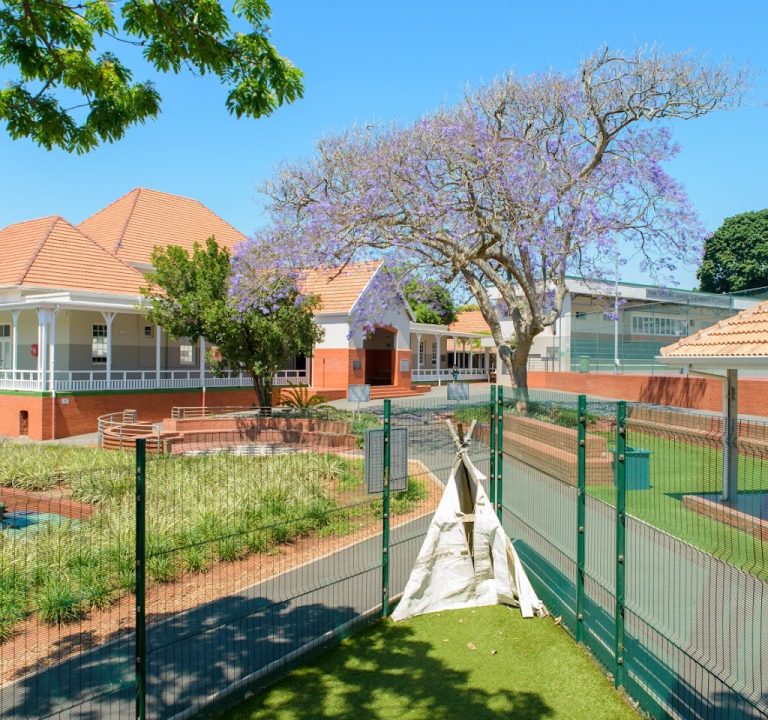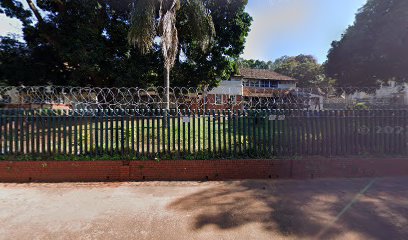
Glenwood Prep Café is a cafes establishment in Durban, KwaZulu-Natal, South Africa
Glenwood Prep Café: Noting the Services and Experience at Glenwood Preparatory School, Durban
Glenwood Preparatory School (GPS) is situated in the Glenwood area of Durban, KwaZulu-Natal, offering a long-standing tradition of primary education since 1910. Described by the institution as “The School That Cares,” GPS presents a holistic, child-centred approach designed to support pupils across junior and senior primary levels. The school emphasises a cooperative model of education, with close liaison between teachers, parents and learners, and a focus on academic, cultural and sporting excellence as core components of its offering.
From the early years through to the senior primary stage, GPS presents a comprehensive curriculum complemented by specialist teaching areas. The Junior Primary department emphasises small class sizes, with dedicated teacher assistants and specialist instruction in Computers, Physical Education, Media, Music, Afrikaans and isiZulu. The approach is designed to build a solid foundation in core learning areas while nurturing curiosity, self-esteem and life skills essential for participation in a multicultural society. Classrooms are described as air-conditioned and purpose-built to support engaging, enriching activities in a child-friendly environment.
In the Senior Primary, GPS continues to prioritise academic rigour while integrating technology and skills development across disciplines. The curriculum is supported by specialist teachers in Computers, Afrikaans, Physical Education, Music and Media. A dedicated Science and Technology Laboratory provides hands-on opportunities for scientific exploration, and the Media Centre acts as a central hub for research and independent learning. Smart Board technology is embedded in the Media Centre, Computer Centre and classrooms, reinforcing a modern, tech-enabled learning culture. Assessment appears to be integrated within a continuous framework, intended to track progress and guide next steps in learning.
GPS places significant emphasis on facilities and extracurricular development. The site highlights a full complement of sports amenities, including a notable Netball Complex with three full-size courts and a swimming pool central to the school’s aquatic programme. The Main Field supports a variety of sports activities throughout the year, while additional spaces such as the Little Wembley area and dedicated sports zones underpin the school’s commitment to physical activity and team participation. The presence of a dedicated Media Centre, Science Lab and air-conditioned classrooms across phases indicates an environment designed to support both academic study and practical discovery.
Beyond the classroom, Glenwood Prep emphasises an enriched co-curricular programme. An extensive extra-mural offering is described, with professional coaching and specialist staff contributing to a broad range of sport and cultural activities. This approach aligns with GPS’s aim to develop well-rounded pupils who display courtesy, confidence and active engagement in school life and the broader community.
Boarding facilities form another dimension of GPS’s offering. The Gordon Murray Boarding Establishment provides a home-away-from-home experience for boarders, including catering arrangements and structured routines. While the boarding information is focused on the school’s residential provision, it signals the school’s capacity to cater to families seeking extended or remote learning arrangements.
For parents and guardians, the school’s communications emphasise a collaborative ethos and strong community involvement. Information is available through official pages covering Academics, Boarding, Resources and Community Outreach. Fees, registrations and related documents are posted in dedicated sections, suggesting a structured process for enrolment, care registration and financial commitments.
- Typical services offered: primary education across Junior and Senior Primary, specialist teaching areas (Computers, Media, Music, Afrikaans/isiZulu), science and technology facilities, a well-equipped library and media centre, full-field and aquatic sports facilities, and extensive co-curricular and extra-mural programmes.
- Typical activities or facilities: air-conditioned classrooms; SMART Board-enabled spaces; a dedicated science lab; coding and robotics labs; netball courts; a full-size swimming pool; main sports field; media centre; and a variety of specialist teaching rooms.
- How requests usually work: enquiries and registrations are handled via the school’s official website sections (Academics, Boarding, Resources, Documents), with downloadable forms for after-care, boarding admissions and fee commitments. Information is organised by department, supporting families through a clear process for admission, care arrangements and ongoing engagement.
Practical tips for potential visitors or prospective families include checking the Junior and Senior Primary pages for phase-specific highlights, reviewing the boarding section if residential care is relevant, and exploring the Community Outreach and Resources pages to understand additional support and engagement opportunities. While specific hours are not stated in the public content, the calendar of news items and regular updates suggest a schedule aligned with term dates and school events. GPS positions itself as a well-established, community-oriented choice for families seeking a comprehensive, well-supported primary education in Durban.
Durban
KwaZulu-Natal
4001
South Africa

Sorry, no records were found. Please adjust your search criteria and try again.
Sorry, unable to load the Maps API.
Cafes in Durban, KwaZulu-Natal: typical services and practical expectations
Durban’s cafe scene blends coastal charm with a diverse culinary palate, offering a range of services that cater to locals and visitors alike. From bustling city streets to harbourfront terraces, cafes in this KwaZulu-Natal metropolis commonly combine coffee culture with light meals, comfortable seating, and convenient ways to enjoy food and drink throughout the day. The experience is shaped by warm weather, vibrant streets, and a tradition of hospitality that emphasises casual, approachable service.
Most cafes provide a core offering centred on freshly prepared beverages. Customers can expect a selection of espresso drinks, brewed coffee, loose-leaf teas, and occasionally speciality blends or single-origin options. Baristas frequently tailor drinks to individual preferences, whether that means customising strength, milk choice, or sweetness. Tea is often available as well, including traditional favourites alongside refreshing iced options for warmer days.
Food offerings tend to be uncomplicated yet carefully prepared, designed to complement beverages. The menu frequently features light breakfast items such as pastries, muffins, yoghurt bowls, and avocado on toast, alongside hearty favourites like eggs on toast or omelettes. Lunch selections commonly include sandwiches, wraps, salads, and daily specials with regional twists or seasonal ingredients. Some cafes also offer more substantial hot meals or supper menus on weekends, though this varies by venue.
Delivery and takeaway services are widely available in Durban’s cafe sector. Many establishments provide a dedicated counter or pickup area for takeaway orders, and some participate in third-party delivery networks. Customers can usually place orders in person, by phone, or via a simple online system, subject to the cafe’s chosen method. When ordering for delivery, considerations include the expected lead time, packaging quality, and whether utensils or condiments are included. It is common to find the option to combine drinks and meals for convenient midday pickups.
Seating and ambiance are important aspects of the Durban cafe experience. Outdoor seating is prevalent, particularly at venues near the coast or in pedestrianised zones, allowing patrons to enjoy sea breezes and street activity. Indoor spaces vary from compact, efficiently organised rooms to larger, more relaxed settings with comfortable seating and natural light. Many cafes aim to create a welcoming atmosphere for remote workers and casual meetings, often featuring power outlets and reliable Wi‑Fi, though availability can differ between venues.
Payment methods and accessibility form part of practical considerations. Most cafes accept multiple payment options, including cash and card, with some embracing contactless or mobile wallet payments. Accessibility features, such as wheelchair access and accessible bathroom facilities, are increasingly common, but experiences can vary depending on the location and building design. Parking remains a practical factor, with on-street parking and limited complimentary spaces near popular spots; paying attention to local regulations is advisable, especially during busy periods.
Sustainability and local sourcing are increasingly reflected in Durban’s cafe services. Many venues highlight ethically sourced coffee, seasonal ingredients, and local producers where possible. This sometimes influences menu choices and price points, but the focus remains on providing consistent, friendly service in a relaxed setting. For visitors and residents alike, the core expectation is simple: quality drinks, well-prepared food, a comfortable place to sit, and efficient, courteous service tailored to the coastal city’s vibrant rhythm.