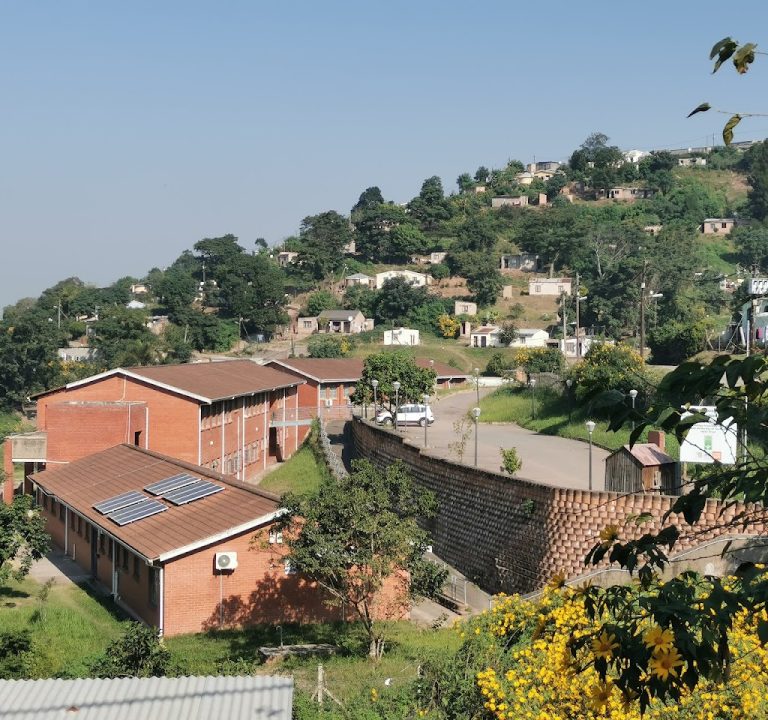
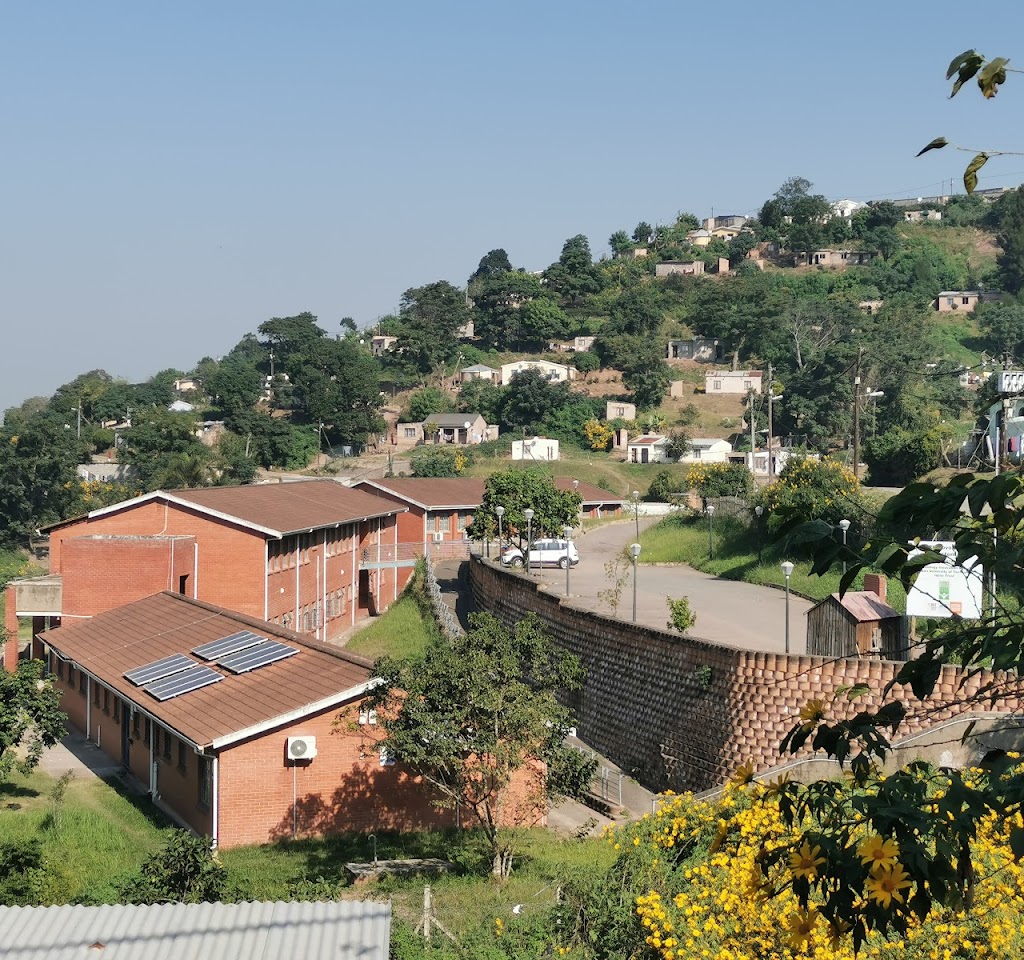
Thornwood Secondary School is a High school establishment in Durban, KwaZulu-Natal, South Africa
Durban
KwaZulu-Natal
Nagina, Durban
South Africa
Sorry, no records were found. Please adjust your search criteria and try again.
Sorry, unable to load the Maps API.
Overview of High School Services in Durban, KwaZulu-Natal
In Durban, KwaZulu-Natal, high schools typically provide a broad range of services designed to support learners through the pivotal years of further education, culminating in national examinations. Public and independent institutions alike place emphasis on academics, personal development, and preparation for post-school pathways. While offerings vary by school, common services reflect the needs of a diverse urban community and the local education framework.
Academic support forms a central component of high school provision. Students can expect structured curricula aligned with the national and provincial syllabi, subject choices across sciences, humanities, languages, and mathematics. Support often takes the form of standard teaching time, supplemented by extra tutoring sessions, remedial classes, and targeted assistance for learners requiring additional help. Many schools also offer guidance on study skills, time management, and examination techniques to help pupils navigate the Senior Certificate and related assessments.
Career guidance and subject choice information are routinely provided to assist learners planning for higher education, vocational training, or early entry into the job market. Guidance services may include information sessions, one-to-one counselling, aptitude assessments, and access to local universities and training providers. In Durban, learners frequently engage with bursary and scholarship information streams, though details depend on school policy and available community sponsorships.
Beyond academics, high schools in Durban commonly deliver a spectrum of extra-curricular and support services. Life Orientation programmes cover personal health, citizenship, and social responsibility, while sport, arts, and cultural activities contribute to holistic development. Clubs and societies linked to science, technology, languages, or the arts are typical, helping learners cultivate teamwork, leadership, and creative skills. Some institutions may offer after-school or Saturday enrichment programmes to extend learning opportunities and provide structured spaces for constructive leisure.
Transport arrangements are a practical consideration for many Durban families. Some schools provide school buses or organised transport routes, while others rely on parental drop-offs or public transit. Safety considerations, including secure campus access and supervised study areas, are commonly addressed through school policies and supervision arrangements. Boarding facilities are rare but may be found at a minority of independent high schools or specialised programmes in the region, primarily catering to learners from outside the immediate area.
Uniforms, fees, and admissions policies contribute to the overall experience of attending high school in Durban. Uniform requirements are standard in many schools and are complemented by acceptable dress codes for physical education. Fee structures vary, with public high schools funded through government channels and independent schools operating on a self-funded basis. Admission processes usually involve consideration of academic records, language proficiency, and available places, with selection criteria differing between institutions. Language of instruction is typically English in many Durban schools, though some may offer isiZulu or bilingual options, reflecting the province’s linguistic diversity.
Practical considerations also extend to facilities and safety. Modern laboratories, libraries, computer rooms, and dedicated study spaces commonly support the learning environment. The availability of reliable internet access and digital resources varies, with some schools prioritising technology integration to enhance research and presentation skills. Parents and guardians should expect clear communication channels, regular progress reporting, and opportunities to engage with school leaders through parent-teacher associations or equivalent forums.
Overall, high school services in Durban aim to balance robust academic delivery with personal development and practical preparation for the next steps after school. While the specifics may differ from school to school, learners generally benefit from a structured framework that supports achievement, wellbeing, and preparation for tertiary study or skilled employment within KwaZulu-Natal and beyond.