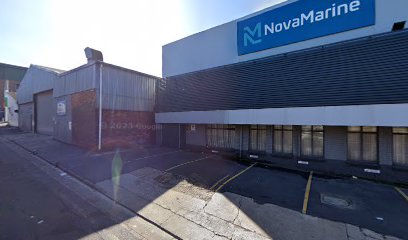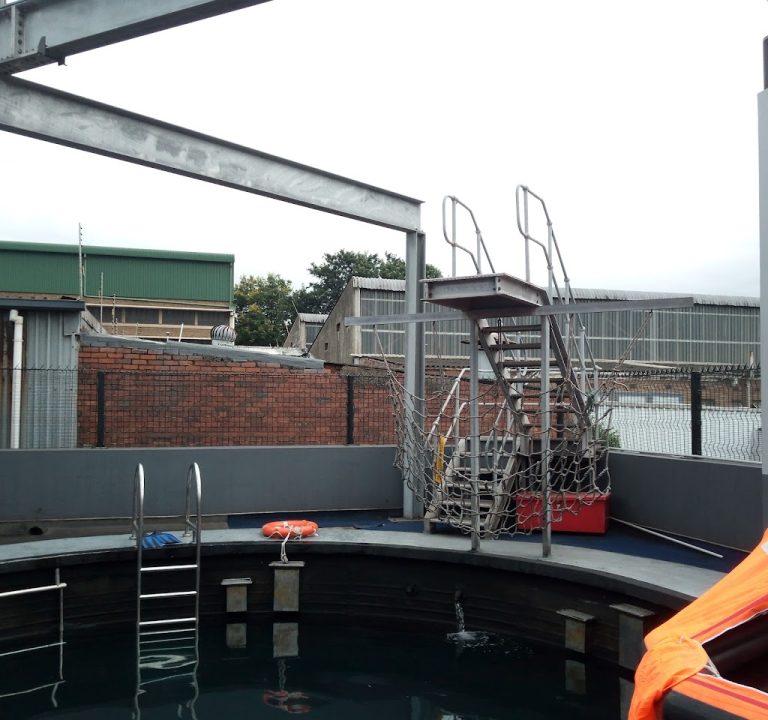
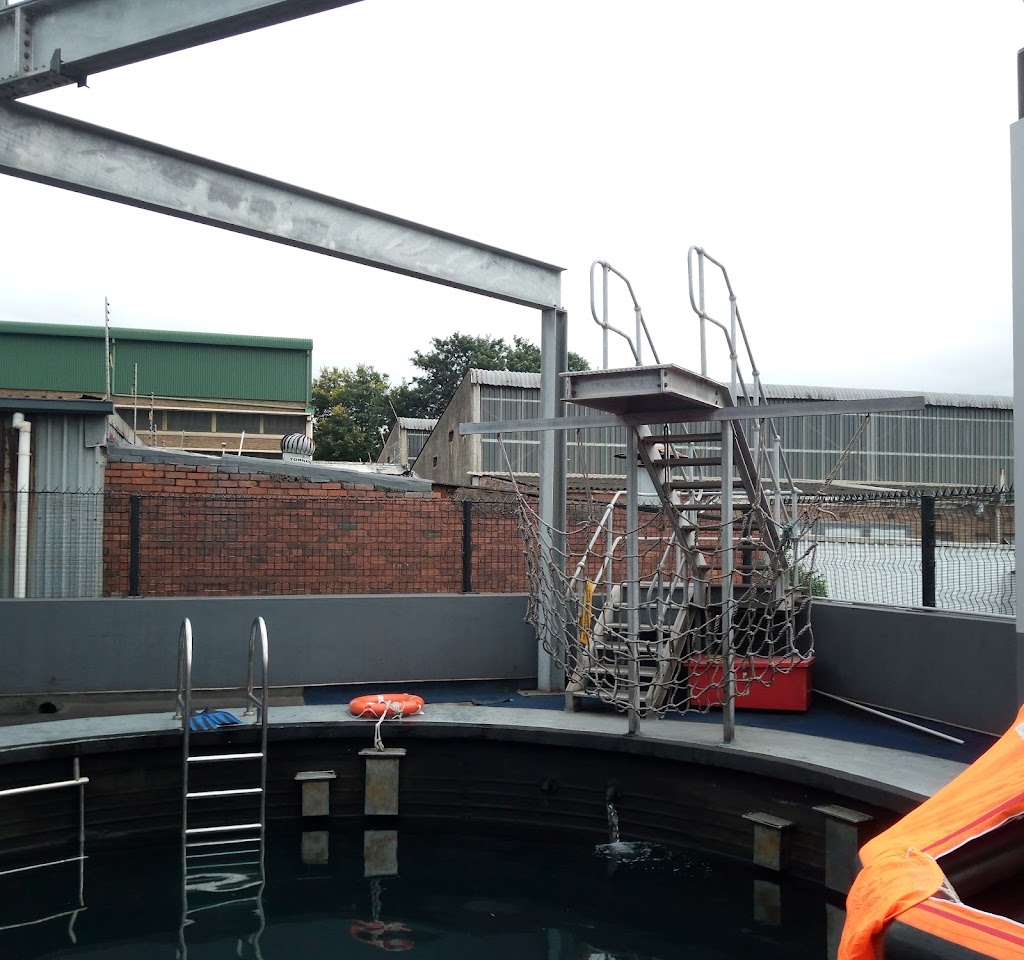
STC-SA Durban Campus is a Training centre establishment in Durban, KwaZulu-Natal, South Africa
STC-SA Durban Campus: Maritime and Logistics Training Services in Durban
The Durban campus of STC-SA (Shipping And Transport College South Africa) delivers specialist maritime training solutions designed to support human resource development, consultancy, technical assistance and research within the shipping and logistics sectors. The campus forms part of STC-SA’s broader footprint across South Africa, serving the Durban area with a focus on STCW (Standards of Training, Certification and Watchkeeping) compliance and practical skill development for seafarers and maritime professionals.
Core offerings centre on maritime training and related services. The Durban campus provides access to a range of STCW courses and associated competencies aimed at deck and engine officers, ratings, and shore-based maritime staff. Courses are presented under STCW appropriations such as Able Seafarer Deck and Able Seafarer Engine, Advanced Fire Fighting, Personal Survival Techniques, Elementary First Aid, Medical First Aid including EFA, Personal Safety and Social Responsibilities, Crowd Management and Passenger Safety, Ship Security Officer, and a number of security and crisis management modules. Training materials and course structures reflect international standards while incorporating an Africanised approach intended to meet local industry needs.
The campus also features specialised areas of study in marine security, safety, and emergency response, alongside broader maritime safety and security awareness. This aligns with STC-SA’s aim to deliver high-quality training that supports both individual career progression and organisational risk management within the regional maritime sector.
Practical delivery emphasises hands-on instruction and structured progression through recognised modules. The Durban site maintains dedicated contact points for bookings and course administration, underscoring a organised, client-focused approach to course scheduling and student administration. The campus is located at 48 Hannah Road, Congella, Durban, 4007, placing it within convenient reach of Durban’s harbour and maritime industry corridors. Local telephone contact for Durban is provided as part of STC-SA’s nationwide service line, enabling direct access to bookings and support services.
Typical customer experiences reflect a professional environment where prospective students and industry professionals engage with administrative staff to select appropriate courses, confirm schedules, and obtain prospectuses and pricing information. The Durban campus hosts downloadable resources such as pricing prospectuses and course calendars, which help visitors understand programme options, duration, and fee structures before committing to training. While specific pricing and certification details may vary over time, the site continuously provides updated course schedules for Durban and Cape Town, along with essential downloads to assist planning and compliance requirements.
In terms of sector reach, the Durban campus serves the KwaZulu-Natal region and aligns with STC-SA’s national and international partner network. The centre operates within the broader STC-SA framework that includes consultancy, research and capacity-building services related to maritime education and human resource development across Africa.
Practical tips for prospective customers
- Review the Durban course calendar and download the latest Durban pricing prospectus to plan funding and attendance.
- Check STCW course prerequisites and duration to ensure eligibility and realistic scheduling around work commitments.
- Access the Durban campus contact points (bookings and student administration emails) for personalised guidance on course selection and booking arrangements.
- Consult the BEE certificate and other compliance documents available through the site if relevant to organisational procurement or accreditation needs.
- Keep an eye on course calendars for 2025 and 2026 to align training with career progression goals and regulatory updates.
- Note the campus location and transport links in Congella, Durban, to organise travel and any on-site facilities required during training days.
Hours and accessibility details, where stated, point to a structured, business-like environment with formal administrative processes for bookings and course administration. The Durban campus is part of a network that places emphasis on quality standards in maritime training, with a clear lifecycle from inquiry and booking through to completion and certification, subject to regulatory and employer requirements.
Durban
KwaZulu-Natal
4001
South Africa

Sorry, no records were found. Please adjust your search criteria and try again.
Sorry, unable to load the Maps API.
Training centre services in Durban, KwaZulu-Natal
Training centres in Durban, KwaZulu-Natal, offer a range of programmes designed to develop practical skills, professional capabilities, and industry readiness. Located within a vibrant urban and coastal environment, these centres frequently serve a diverse clientele, from school leavers seeking vocational pathways to professionals pursuing upskilling or career transitions. The emphasis is on practical application, industry relevance, and accessible learning that fits local employment needs and enterprise requirements.
Typical offerings cover vocational and technical training, information technology and digital literacy, business and financial management, customer service, and health and safety awareness. Many centres provide programmes that align with local industry demand, such as construction, hospitality, engineering support, and retail operations, as well as language and communication courses to support multilingual workplaces. In addition to structured courses, some centres run short workshops and modular programmes that allow learners to build specific competencies without committing to longer qualifications.
Practical delivery often combines classroom instruction with hands-on practice. Learners can expect demonstrations, supervised practice, workplace simulations, and, where feasible, on-site facilities that mimic real-world environments. Assessments typically include a mix of theory tests, practical tasks, assignments, and periodic progress reviews. Certification, where applicable, may be issued by recognised national or regional bodies, subject to meeting the required criteria. It is advised to verify the accreditation status and the recognition of any qualification before enrolment.
Support services are a common feature across Durban centres. Academic guidance, study skills coaching, and language support help learners navigate course material and maintain progression. Many programmes offer career guidance, CV development, interview preparation, and information about local employment opportunities. Accessibility considerations are routinely addressed, with considerations given to transport links, parking, and flexible scheduling to accommodate working learners and those with family commitments.
The learning environment is often equipped with essential facilities such as computer suites, collaborative learning spaces, and practical workshops. Health and safety protocols are implemented to ensure a secure learning setting, and some centres provide access to assistive technologies or adaptive resources to support learners with different needs. Climate and coastal weather are kept in mind when planning outdoor or laboratory-based activities, with appropriate safety measures and contingency plans in place.
Practical considerations shape the learner experience in Durban. Proximity to major transport routes, public transit, or workplace clusters can influence convenience and attendance. Class sizes vary, but many centres aim to balance personalised attention with group interaction. Timetables may include day, evening, and weekend options to accommodate employed learners. Learners are typically advised to bring necessary materials, understand the assessment timeline, and stay informed about any prerequisites or entry requirements for a programme.
For organisations and employers, training centres in Durban often provide customised solutions, including tailored in-house programmes, short courses for staff development, and industry-specific workshops. These offerings are designed to support compliance with local workplace standards and to enable skills development that aligns with operational needs. While exact services differ between providers, the overarching objective remains clear: to equip learners with practical competencies that enhance productivity, employability, and professional confidence in the KwaZulu-Natal context.
- Vocational and technical courses
- Information technology and digital literacy
- Business, finance, and customer service training
- Health, safety, and compliance programmes
- Language and communication support
- Career guidance and employability services