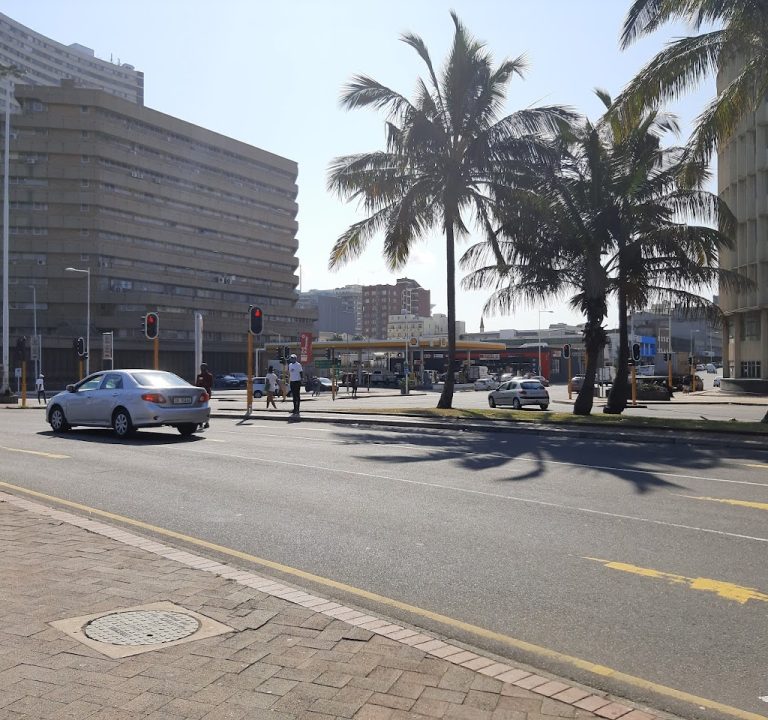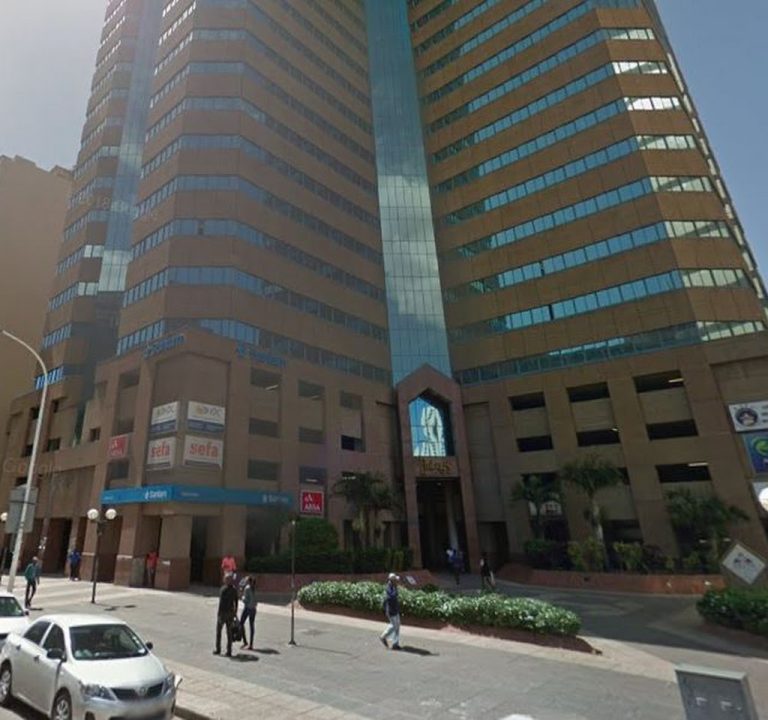
Mens Clinic International – Durban Central is a Medical clinic establishment in Durban, KwaZulu-Natal, South Africa
Mens Clinic International – Durban Central: overview of services and customer experience
From independent observation, Mens Clinic International in Durban Central is presented as a medical facility focused on male sexual health, with a portfolio that includes treatment options for erectile dysfunction, premature ejaculation, and related concerns. The site frames these conditions as common and highly treatable, emphasising contemporary approaches to management rather than inevitability. The Durban Central clinic is positioned within the broader Mens Clinic International network, which highlights a range of sexual health services and related procedures.
Key services highlighted in the available content include erectile dysfunction management, which is associated with methods such as penile injection therapy delivered via an auto-injector system. This approach is described as a proven treatment option, and the site refers visitors to further information about the auto-injector system and its role in restoring sexual function. In addition to erectile dysfunction, the clinic’s content touches on premature ejaculation and low libido as part of a wider catalogue of sexual health offerings. The framing suggests a holistic approach to male sexual health, addressing both physiological and psychological aspects of dysfunction.
Another significant service category mentioned is male circumcision, described briefly as a surgical procedure that removes the foreskin. While the site does not provide granular procedural details within this summary, the reference indicates that surgical options are part of the clinic’s scope of care in Durban Central.
Beyond treatment modalities, the materials position Mens Clinic International as a provider of information and guidance on male sexual wellness. The content underscores the notion that modern treatments are available and effective, regardless of how long a problem has persisted. This communicates an emphasis on patients’ outcomes and the potential for improvement through professional care.
The available content also hints at the clinic’s broader branding and network interactions, including notes on franchise opportunities and the existence of multiple branches. This context suggests a formal structure governing practice standards and patient pathways across locations, though specific patient-facing details about franchising are not central to the Durban Central service description.
Requests and engagement with the clinic, as reflected in the site’s material, typically involve patient consultations to assess symptoms, followed by discussions of evidence-based treatment options, including injections and surgical considerations where appropriate. The exact workflow—such as initial screening, consent processes, follow-up schedules, or prescription practices—is not exhaustively described in the available content, but the emphasis on established treatments implies a structured clinical process designed to guide decision-making and follow-up care.
For customers, practical navigation tips can enhance the experience. It is prudent to verify the branch and contact details through official, authenticated channels to avoid misinformation, as the site highlights concerns about fraudulent communications and advises confirming telephone numbers and doctor identities on verified pages. Prospective patients should also review the online information regarding treatment options, request access to the doctors’ lists where possible, and seek clarity on the specific services offered at the Durban Central location before attending.
Typical job types or professional profiles associated with the clinic’s services, inferred from the content, include specialists or clinicians focused on male sexual health, urology-adjacent practitioners, and nursing or clinical staff experienced in administering injections and managing post-procedure care. The site’s framing of a comprehensive sexual health catalogue suggests an emphasis on multidisciplinary support, patient education, and ongoing management rather than singular, one-off interventions.
Practical tips for customers include scheduling consultations in advance and verifying operating hours and appointment availability through official channels. While the content does not specify precise opening times for Durban Central, general guidance would be to arrange visits during regular clinic hours and to prepare a concise history of symptoms, medications, and any prior treatments to facilitate a productive initial assessment.
The Durban Central location serves the KwaZulu-Natal region, with emphasis on offering modern treatments aligned with contemporary understandings of male sexual health. Visitors should bring relevant medical details and be prepared to discuss personal health goals, treatment preferences, and any concerns about procedures such as injections or circumcision. A cautious and well-informed approach is advised, ensuring all information comes from verified sources and that any steps taken align with individual health needs and professional medical advice.
Durban
KwaZulu-Natal
4001
South Africa

Sorry, no records were found. Please adjust your search criteria and try again.
Sorry, unable to load the Maps API.
Medical Clinic Services in Durban, KwaZulu-Natal
Durban, located on the east coast of South Africa in KwaZulu-Natal, offers a range of medical clinic services that cater to both local residents and visitors. These clinics commonly provide comprehensive primary care, preventive services, and a selection of specialised evaluations, with accessibility shaped by urban and suburban layouts across the city. The emphasis is on timely assessment, appropriate treatment, and clear pathways for follow-up care.
Typical services found in Durban medical clinics include general practice and family medicine, which focus on routine check-ups, management of acute illnesses, and ongoing care for chronic conditions such as hypertension, diabetes, and respiratory issues. General practitioners often coordinate care with diagnostic laboratories and imaging services, arranging referrals when more specialised expertise is required. Pediatric care is commonly available, offering routine childhood immunisations, growth monitoring, and illness management for younger patients.
Another core area is women’s health, which commonly covers reproductive health, routine gynaecological consultations, pregnancy-related care, screening, and advice on wellness. Men’s health services, including preventive screenings and clinical assessments, are also frequently offered. For those needing mental health support, some clinics provide access to counselling or brief psychiatric assessments, either on-site or through established referral networks.
Diagnostic and therapeutic options typically extend to on-site or affiliated laboratories for blood tests, urine analyses, and other routine investigations. Imaging services, such as ultrasound or X-ray referrals, may be available within the clinic’s wider network or through partner facilities. Minor procedures, including wound care, minor surgical interventions, vaccinations, and in some cases dermatological assessments, are commonly performed where appropriate facilities exist. Where necessary, clinics provide referrals to specialists for more advanced care, along with guidance on coordinating visits and ongoing management.
For occupational health and wellness, Durban clinics frequently offer services such as pre-employment medicals, periodic medical evaluations for workers, and occupational risk assessments. Public health campaigns and preventive care—such as immunisations, flu vaccines, and travel health advice—are commonly emphasised, particularly in areas with diverse populations and varying exposure risks. Chronic disease management programmes help patients monitor conditions over time, supported by regular check-ins, medication reviews, and lifestyle guidance.
Patients may encounter not only clinical services but practical considerations that influence their experience. Accessibility is an important factor; clinics are often located in central or easily reachable neighbourhoods with parking or convenient public transport links. Language services or multilingual staff can assist in communicating effectively with a diverse patient base. Payment arrangements vary, with some clinics offering private fees, while others may work with medical aid schemes or provide payment plans for ongoing care. It is prudent to clarify consultation fees, medication costs, and whether after-hours or emergency care arrangements are available.
How a typical clinic visit unfolds usually begins with an appointment or a straightforward walk-in approach, depending on the clinic’s policy. Reception procedures involve registration, triage where applicable, and a brief health history. The clinician conducts a focused examination, orders necessary tests if needed, and discusses diagnosis and treatment options. Prescriptions are issued for medications or prescriptions are sent electronically to a pharmacy. Follow-up visits are commonly scheduled to review response to treatment, adjust plans, or discuss further referrals.
In summary, medical clinics in Durban offer a breadth of essential health services aligned with local needs and healthcare infrastructure. They aim to deliver accessible, patient-centred care, balancing routine primary care with timely referrals and a pragmatic approach to diagnostics and treatment, all within the context of KwaZulu-Natal’s diverse communities and healthcare system.