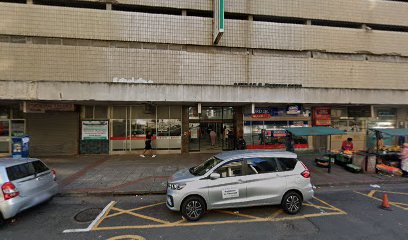
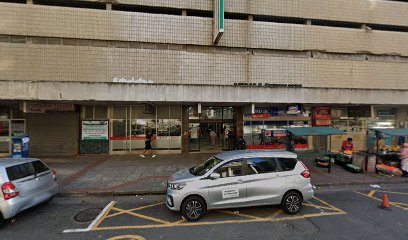
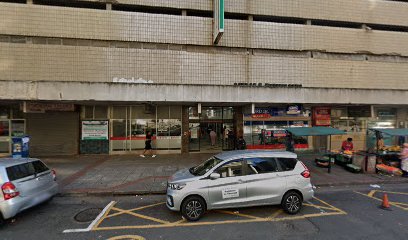
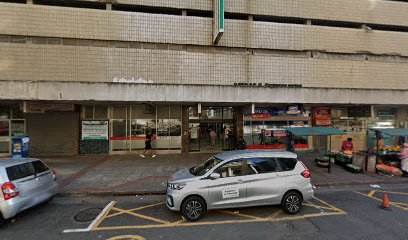
Prof. A. Assounga is a Medical clinic establishment in Durban, KwaZulu-Natal, South Africa
Prof. Alain G. Assounga and Kidney Protect: Kidney Health Services in Durban, KwaZulu-Natal
Kidney Protect, led by Prof. Alain G. Assounga, operates in Durban as a specialist initiative focused on halting the progression of kidney disease through early detection, monitoring and focused management programmes. The project emphasises the importance of identifying kidney problems as early as possible, given that chronic kidney disease (CKD) often progresses silently during its early stages. The organisation combines clinical care with research and education for health professionals and patients alike, aiming to make renal health care more accessible across South Africa.
The main services described for the Durban area include kidney health screening, urine testing, blood pressure checks and comprehensive kidney health advice. Initial testing forms the gateway to a personalised care plan, with the aim of stopping or slowing disease progression whenever feasible. A multidisciplinary approach is highlighted, including nephrologists, renal nurses, dietitians, social workers and clinical psychologists, ensuring a holistic management plan for those diagnosed with CKD or at risk of progression.
Clinical care is delivered through Kidney Protect clinics, with the founder and clinician group offering diagnosis, treatment planning and ongoing monitoring. The clinics report that their early detection and treatment programmes can be tailored to the patient’s stage of kidney disease, and include regular review of monthly results to adjust care as needed.
Specific Durban-based access points include the Durdoc Medical Centre in Durban Central and other associated sites. The organisation has listed a Durban footprint with the Durdoc Centre on Anton Lembede Street and adjacent facilities, alongside other local venues such as Gateway Hospital in the northern Durban area and Isipingo Hospital to the south. This network arrangement is designed to provide convenient access for patients across the KwaZulu-Natal region.
For healthcare professionals, Kidney Protect invites participation in its clinic network, offering an initial kidney health screen and a standard follow-up pathway. The process typically includes an initial urine test and a blood pressure check, followed by kidney health advice. If a problem is detected, a nephrologist consultation is arranged to provide access to up-to-date research, clinical trials and a structured care plan.
In addition to patient care, Kidney Protect engages with corporate and professional audiences. The corporate offering highlights free analysis of spot urine tests and advocates for employee kidney health as part of wellness programmes. The company promotes early detection as a means to reduce long-term healthcare burdens by avoiding or delaying progression to end-stage renal disease (ESRD).
Typical patient journeys are framed around early detection through simple, low-cost testing, followed by targeted advice on diet, lifestyle and medical management. The organisation emphasises that conditions such as hypertension and diabetes are leading causes of kidney disease and that screening can detect problems before irreversible kidney damage occurs. Educational content is available through blog articles on the site, detailing topics such as the link between diabetes and kidney failure and the importance of a urine test for early detection.
Locations and area served, as stated, include Durban and surrounding communities in KwaZulu-Natal. The contact information lists Durdoc Medical Centre (Durban) and additional Durban-area venues, making Kidney Protect accessible to residents seeking kidney health screening and related care. The organisation outlines its mission to provide affordable screening services and to integrate testing into routine health programmes, particularly in corporate settings, community clinics and private practice networks.
Practical tips for customers and prospective patients include arranging a kidney health screen or urine test as a low-cost entry point (the site lists an initial consult price of R50.00 for professionals visiting the network). Regular blood tests may reveal kidney function only at more advanced stages, so early urine testing is emphasised as a means to detect CKD sooner. Patients are advised to discuss results with a nephrologist when abnormalities are found and to participate in a personalised management plan, including follow-up testing and lifestyle guidance.
Business hours and availability are linked to clinic days. For healthcare professionals, clinic days include Tuesdays in the northern Durban area (Gateway Hospital, Umhlanga Rocks), Wednesdays in Durban Central (Durdoc Centre), and Thursdays in the south (Isipingo Hospital). These scheduled days facilitate patient access and help organise follow-up care with nephrology specialists when needed.
In summary, Prof. A. Assounga’s Kidney Protect network in Durban offers a structured pathway for kidney health screening, early detection and multidisciplinary management. The focus is on practical, affordable testing, clear referral to nephrology when required, and ongoing monitoring to slow disease progression. The approach is reinforced by public education materials and professional outreach aimed at improving kidney health literacy and access to care in KwaZulu-Natal.
Durban
KwaZulu-Natal
4001
South Africa
Sorry, no records were found. Please adjust your search criteria and try again.
Sorry, unable to load the Maps API.
Medical clinic services in Durban, KwaZulu-Natal
Medical clinics in Durban, KwaZulu-Natal offer a range of primary health care services suitable for locals, expatriates and visitors seeking convenient access to general medical care. These clinics commonly operate as a first point of contact for unaffiliated patients and for ongoing management of chronic conditions, providing a blend of routine consultations, preventive care and targeted treatment. The density of clinics in the metropolitan area helps residents reach medical assistance within a reasonable time, often complemented by public transport routes and nearby pharmacies.
A typical visit to a Durban medical clinic begins with a standard consultation with a general practitioner or family physician. The clinician will review the patient’s medical history, current medications and any present symptoms. Depending on the presentation, the clinician may perform a physical examination, offer advice on self-care, prescribe medications or arrange further tests. When ongoing follow-up is required, the practitioner may schedule a return appointment or set up a plan for long‑term management. Clinics commonly manage both acute concerns, such as minor illnesses and injuries, and chronic diseases, including hypertension, diabetes and cardiovascular risk factors.
Preventive care is a principal focus in many Durban clinics. Routine health checks, health maintenance visits for adults and annual wellness assessments are typical offerings. Immunisations and vaccination services form a key component, alongside travel health advice for individuals planning to visit other regions or countries. Women’s health services frequently include routine screenings, contraception guidance, cervical cancer screening pathways where applicable and menopause support. Men’s health visits may cover screening for prostate health and advice on lifestyle changes. Children’s health is also a priority in many clinics, with growth monitoring, developmental assessments and routine immunisations on offer.
A practical feature of medical clinics in Durban is the availability of basic diagnostic services or arrangements for diagnostic tests. Some clinics provide on-site measurements such as blood pressure, weight, height and body mass index. Basic laboratory tests, where offered, might include blood glucose checks and cholesterol profiling, with samples sent to accredited laboratories for processing. For certain conditions or symptoms, clinics can facilitate referrals to imaging services (such as X-ray) or to specialists for dermatology, orthopaedics, ENT, or other disciplines. Referrals are generally coordinated to ensure continuity of care within the broader healthcare network.
In terms of workflow, most clinics operate by prioritising patient comfort and confidentiality. Appointment systems vary; some clinics accept walk-ins while others operate by scheduled consultations. Patients are typically advised to bring relevant medical records and a list of current medications. Payments may be accepted via private means or through medical aid schemes, with clear guidance on what is covered and what remains the patient’s responsibility. It is prudent to confirm whether a clinic accepts specific health plans or credit arrangements before appointments.
Practical considerations when using a Durban medical clinic include proximity to home or work, accessibility features for those with mobility needs, and the availability of extended hours or weekend appointments. For non-urgent concerns, it is worth checking the clinic’s typical wait times and whether an appointment is preferred for smoother service. When conditions require ongoing management, clinics often help patients establish a care plan, including regular follow-ups and timely referrals if specialist services become necessary.
Overall, medical clinics in Durban provide a convenient, community-oriented option for primary care. They aim to deliver compassionate, evidence-based care, focusing on rapid assessment, clear guidance and supportive management of both immediate health needs and longer-term wellness goals.