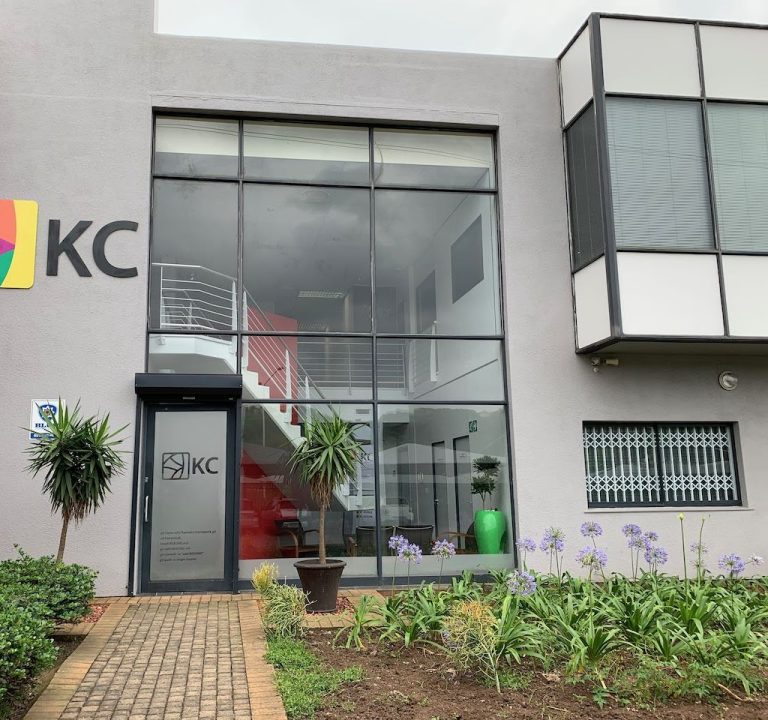
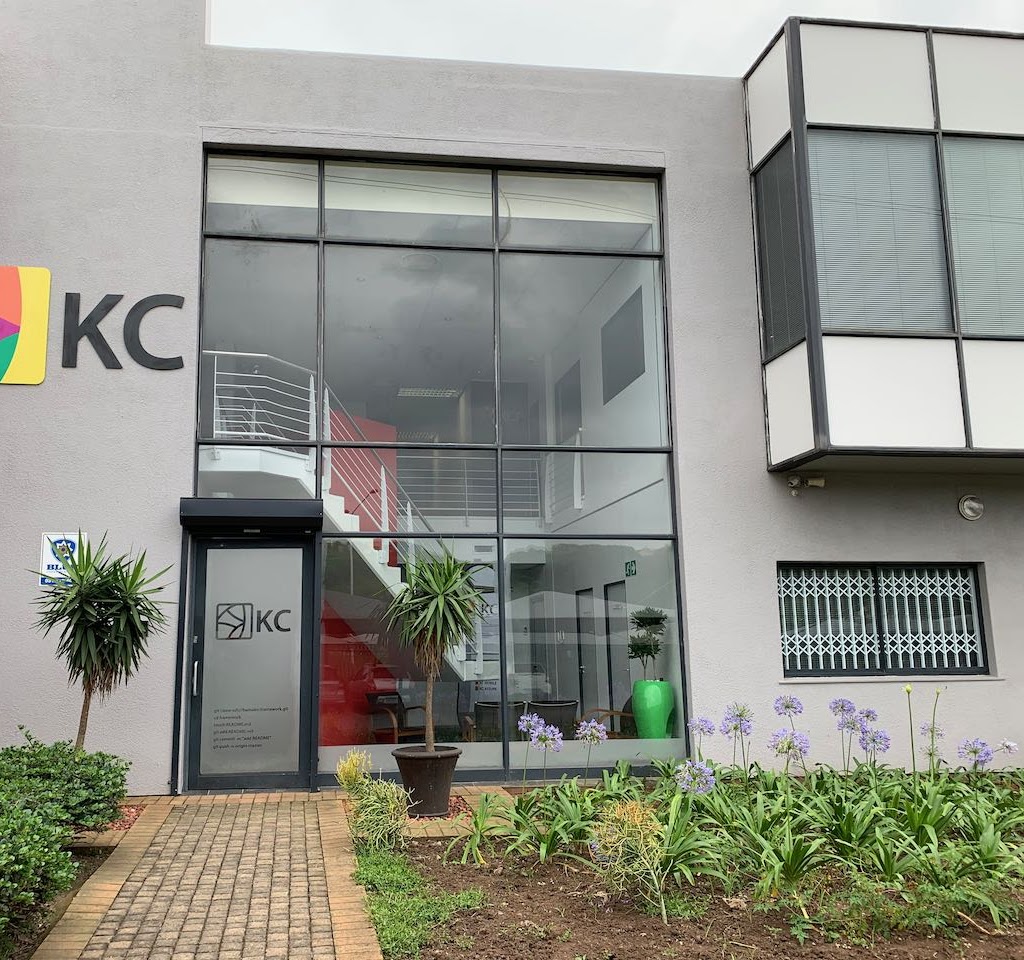
Kaleidocode Pty Ltd is a Software company establishment in Durban, KwaZulu-Natal, South Africa
Durban
KwaZulu-Natal
Umgeni Business Park, Durban
South Africa
Sorry, no records were found. Please adjust your search criteria and try again.
Sorry, unable to load the Maps API.
Software Company Services in Durban, KwaZulu-Natal
In Durban, KwaZulu-Natal, software companies typically offer a broad range of technology services designed to help businesses streamline operations, protect data, and innovate their customer experiences. The services are oriented towards both small enterprises seeking affordable, scalable solutions and larger organisations requiring more robust, customised systems. A common thread is the emphasis on practical outcomes such as improved efficiency, better information management, and measurable return on investment.
Core offerings usually begin with requirement analysis and IT consulting. This involves understanding the client’s goals, current systems, and constraints to outline a practical technology roadmap. Consultants may assess processes, data flows, and security considerations before proposing a plan that aligns with business priorities. The aim is to translate abstract needs into actionable specifications that underpin development or integration work.
Application development is a central service, encompassing the design, build, test, and deployment of software solutions. Durban-based teams often specialise in bespoke web and mobile applications, with emphasis on scalable architectures and maintainable code. Projects may range from lightweight web interfaces to comprehensive enterprise platforms. Throughout development, emphasis is placed on governance, version control, and iterative testing to ensure functionality aligns with user requirements while maintaining reliability.
Systems integration is commonly pursued to connect disparate tools and data sources. Software firms facilitate the blending of customer relationship management (CRM) systems, accounting software, e-commerce platforms, and industry-specific applications. The objective is to enable smoother information flows, reduce manual data handling, and provide a single source of truth for decision makers. This work typically involves interface design, data mapping, and middleware configuration, with an eye toward future scalability.
Cloud services and hosting form a practical component for Durban clients seeking flexibility and resilience. Vendors may offer cloud strategy advisory, infrastructure setup, data backup solutions, and disaster recovery planning. While specific platform names and services vary, the underlying aim remains consistent: to provide secure, accessible systems that can grow with the business while containing total cost of ownership.
Cybersecurity and compliance are increasingly important considerations. Software companies in the region often provide assessments, security reviews, and policy development tailored to local regulatory requirements. Services can include risk assessments, secure coding practices, encryption strategies, and user training. The goal is to minimise vulnerabilities, protect sensitive information, and foster a security-conscious culture across the organisation.
Quality assurance and testing are standard parts of most engagements. Independent expert testing helps verify that software performs as intended, identifies defects early, and supports smooth releases. Testing approaches may cover functional verification, performance testing, and usability evaluation. In Durban, teams frequently stress the importance of practical test plans that mirror real-world usage and ensure reliability under typical business conditions.
Project management and governance provide structure to technology initiatives. Clients can expect transparent scoping, milestones, and regular progress updates. Local firms often emphasise collaborative working methods, stakeholder engagement, and risk management to keep projects on track and within budget. Documentation, change control, and post-implementation support are commonly included to sustain momentum after delivery.
Potential clients should consider practical factors when engaging a Durban software company. These include proximity and time-zone alignment for collaboration, the ability to scale services in line with business growth, and clarity about support models (e.g., business hours versus extended coverage). It is prudent to discuss data residency and local regulatory expectations, especially for organisations handling sensitive information. Interfaces with existing systems, customisation needs, and the total cost of ownership are practical considerations that influence choice and satisfaction with the final solution.
Overall, software companies in Durban, KwaZulu-Natal, deliver a spectrum of services aimed at helping organisations modernise technology assets, improve data-driven decision making, and enhance customer experiences. The emphasis remains on delivering pragmatic, value-focused outcomes through collaborative, well-governed engagements that respect local business realities and requirements.