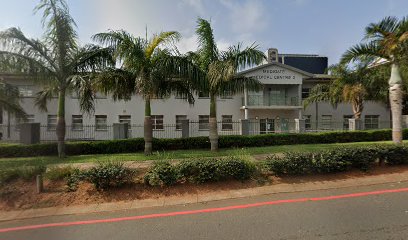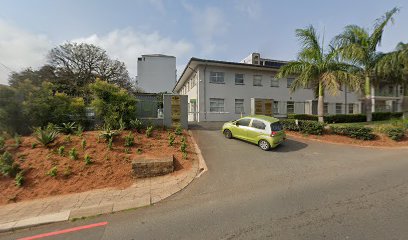
Vein Centre Umhlanga Dr Johan Blignaut – Specialist Surgeon is a Surgeon establishment in Durban, KwaZulu-Natal, South Africa
Vein Centre Umhlanga, Dr Johan Blignaut – Specialist Surgeon: overview of services and patient experience
Vein Centre Umhlanga, led by Dr Johan Blignaut, is presented as a state-of-the-art specialist vein centre operating in Durban, with additional centres in Johannesburg and Somerset West. The focus centres on modern, minimally invasive treatment of venous disorders, emphasising endovenous techniques and procedures performed in an office setting with minimal downtime. The practice communicates a commitment to evidence-based venous care and ongoing professional development, positioning Dr Blignaut as a widely recognised expert within South Africa’s phlebology community.
Core services offered encompass comprehensive management of varicose veins, spider veins and related venous conditions. The centre highlights endovenous ablation using radiofrequency (RFA) as the gold standard for varicose veins, supplemented by ultrasound-guided foam sclerotherapy and micro-sclerotherapy for smaller or spider veins. Treatment options are described as minimally invasive, reducing the need for traditional vein stripping and enabling procedures to be conducted in office settings with limited downtime. The scope also includes specialist management of chronic venous ulcers, reflecting a holistic approach to venous disease rather than solely aesthetic concerns.
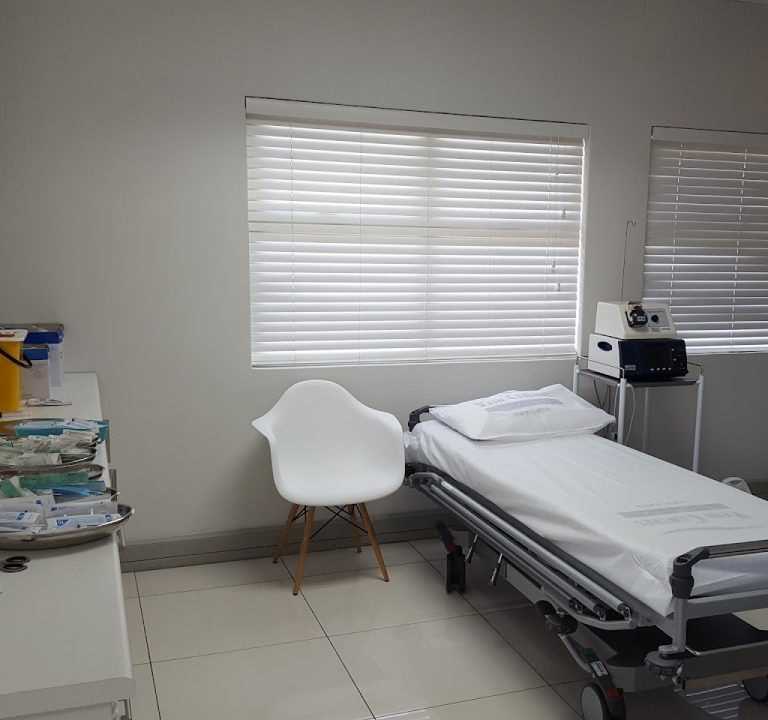
Patient experience at the Umhlanga location is depicted as convenient and accommodated by modern clinical space near Gateway in Umhlanga. The facility mentions free parking and specifically lists a reception team and clinical nursing staff, underscoring organised administrative support and patient care coordination. The practice also notes the availability of two advanced office operating rooms, illustrating capacity to perform a range of vein procedures in a streamlined environment. Atypical or recurrent vein issues are acknowledged, with an emphasis on tailored treatment plans rather than a one-size-fits-all approach.
For new patients, the process typically begins with information gathering and an assessment pathway. An online vein screening is promoted as a convenient first step, allowing individuals to complete an online assessment to determine candidacy for the offered procedures. Following the screening, patients often proceed to an appointment to discuss results and plan next steps. When selecting a centre, patients are guided to book appointments via online forms or contact routes listed on the site, reflecting an integrated digital and in-person approach to access and scheduling.
Dr Blignaut’s practice promotes regular professional engagement beyond routine clinical care. The surgeon is described as being part of national radio and TV health programming, contributing to ongoing public discourse on the latest vein care innovations. The centre emphasises training and proctoring activities, with references to international congress participation and involvement in teaching fellow surgeons in endovenous techniques. This engagement is framed as a signal of commitment to delivering contemporary, evidence-based vein care across South Africa and the broader region.
In terms of patient outcomes and experience, the site communicates a focus on medically indicated treatment rather than purely cosmetic intervention. The treatments are positioned as medically necessary for many patients, with a track record that includes thousands of endovenous ablations performed across the centres. The patient journey, from online screening to appointment, is framed as straightforward and supportive, with staff listed to assist in administration and clinic operations.
The day-to-day experience of visiting the Umhlanga rooms is described as including free parking, a dedicated reception team, and clinical staff who manage venom protocols, appointment scheduling and consultations. The practice formalises a patient-centric ethos through its dedicated vein care pathway, with ongoing reviews of modern procedures and adherence to evidence-based protocols.
Typical job types or conditions treated include varicose veins, spider veins, chronic venous insufficiency, and venous ulcers. The range of interventions emphasises endovenous techniques, including radiofrequency ablation and ultrasound-guided sclerotherapy, tailored to the specific venous pathology and patient needs. The inclusion of online screening and multiple centres suggests a scale and accessibility that may suit patients across KwaZulu-Natal and the broader North–South Africa region.
Practical tips for prospective patients include completing the online vein screening to gauge treatment indication, and considering the proximity of the Umhlanga rooms near Gateway for those seeking convenient access and free parking. When preparing for visits, patients can anticipate encountering a structured clinical team consisting of reception, administration and a dedicated clinical nurse, which supports a smooth, well-coordinated appointment experience.
- Key services: endovenous radiofrequency ablation, ultrasound-guided foam sclerotherapy, micro-sclerotherapy, and venous ulcer care.
- Locations served: Durban (Umhlanga), Johannesburg (Fourways) and Somerset West, with stated emphasis on convenience and medical scheme funding where applicable.
- Patient pathway: online vein screening, followed by an appointment to discuss results and plan treatment.
- Accessibility: free parking at the Umhlanga site; dedicated administrative and clinical staff to assist with appointments and care coordination.
Durban
KwaZulu-Natal
1 Medigate Rd
South Africa


Sorry, no records were found. Please adjust your search criteria and try again.
Sorry, unable to load the Maps API.
Surgeon Services in Durban, KwaZulu-Natal
Durban, located along the KwaZulu-Natal coast, offers a diverse range of surgical services provided by experienced specialists across public and private sectors. In this region, surgeons operate across multiple disciplines to address acute trauma, elective procedures, and complex specialised operations. The aim is to restore function, alleviate pain, and improve overall quality of life for patients across the city and surrounding areas.
Within Durban, general surgeons manage a broad spectrum of conditions, from abdominal and gastrointestinal issues to hernias and minimally invasive interventions. Subspecialists focus on areas such as orthopaedics, spinal and neuro surgery, cardiothoracic concerns, vascular problems, ENT (ear, nose and throat), paediatric surgery, colorectal surgery, and plastic or reconstructive procedures. The city’s hospitals and clinics offer access to diagnostic imaging, laboratory testing, and supporting services that enable comprehensive care before, during, and after procedures.
For many patients, the pathway begins with a referral from a primary care clinician or a specialist. A consultation typically involves a physical assessment, discussion of symptoms, medical history, and any prior imaging or tests. Surgeons may outline potential treatment options, including conservative management, minimally invasive techniques, or surgical intervention. The decision often depends on the patient’s overall health, the severity of the condition, and the potential risks and benefits of surgery.
Imaging and diagnostics form a core component of surgical planning. Depending on the condition, patients may undergo ultrasound, X-ray, CT, or MRI studies, blood tests, and other assessments to determine the most appropriate approach. In some cases, preoperative optimisation—such as managing chronic conditions, refining medications, or addressing nutritional status—can influence outcomes and recovery times.
Operating theatre experiences in Durban are characterised by a focus on patient safety, adherence to standard precautions, and the use of modern equipment. Where appropriate, surgeons employ minimally invasive techniques to reduce recovery times and minimise hospital stays. Intraoperative decisions are guided by established clinical guidelines and the surgeon’s professional judgment, with postoperative care plans designed to support healing, manage pain, and monitor for potential complications.
Recovery after surgery varies by procedure and patient factors. Some interventions may require short hospitalisation, while others might involve day-case (outpatient) treatment. Postoperative follow-up is often scheduled to assess wound healing, function, and any need for rehabilitation or additional intervention. When rehabilitation is needed, referrals to physiotherapy, occupational therapy, or other allied health professionals are commonly arranged to optimise functional recovery.
Practical considerations for individuals seeking Durban surgeon services include choosing a reputable hospital or clinic, understanding the available surgical options, and being aware of potential costs and waiting times. It is prudent to verify insurance coverage or government-funded care pathways where applicable, discuss postoperative support plans, and confirm arrangements for transport and home care during recovery. Patients are advised to obtain a clear understanding of the anticipated recovery timeline, activity restrictions, and any required postoperative appointments.
In the Durban area, the focus remains on delivering thorough assessments, carefully considered treatment plans, and careful perioperative management. While facility availability and practitioner expertise can vary, the overarching aim is to provide accessible, high-quality surgical care that addresses both urgent and elective needs with consideration for the local healthcare landscape and patient circumstances.