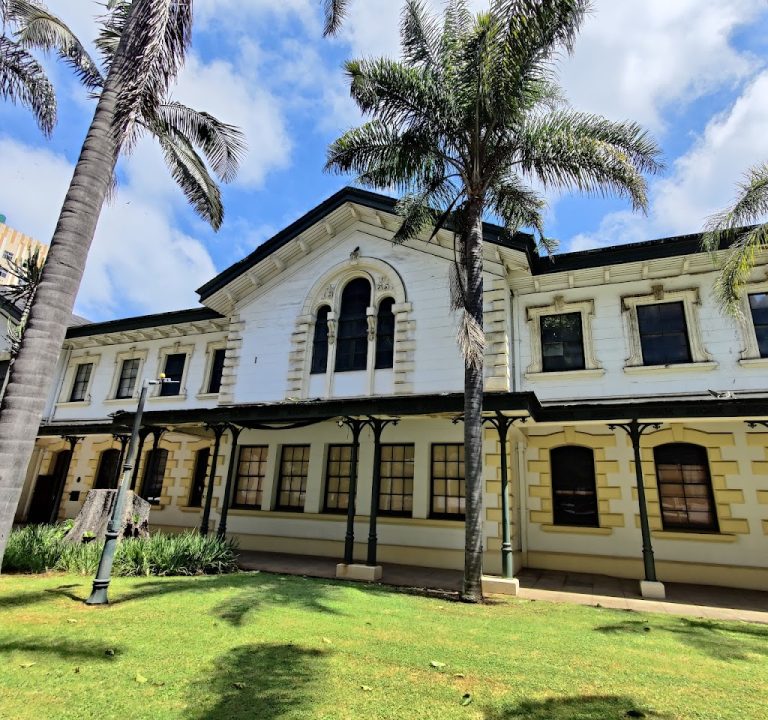
eThekwini Municipality Heritage Department is a City government office establishment in Durban, KwaZulu-Natal, South Africa
Durban
KwaZulu-Natal
4001
South Africa
Sorry, no records were found. Please adjust your search criteria and try again.
Sorry, unable to load the Maps API.
City Government Office Services in Durban, KwaZulu-Natal
In Durban, KwaZulu-Natal, city government offices provide a broad range of municipal and administrative services intended to support residents, businesses and visitors. These offices are typically arranged to facilitate efficient access to essential functions such as registration, licensing, permits, payments and public information. The aim is to deliver timely, transparent and sensible civic services that contribute to the smooth running of urban life and local economic activity.
Common services fall into several core categories. Administrative and civic registration services help individuals obtain identity documentation or verify official records, while civil protection and safety offices handle emergencies, disaster preparedness, and urban safety programmes. Urban planning and development departments oversee building permissions, zoning enquiries and land-use guidance, ensuring that growth aligns with local policies and environmental considerations. Transportation and public works offices manage road maintenance, traffic administration, street lighting and related infrastructure, which influence daily commuting and business logistics. Environmental health and housing units address sanitation, waste management, housing standards, and community health initiatives. Revenue collection and customer service centres handle billing, licensing renewals, permit applications and general inquiries, acting as the financial interface between residents and municipal services. Public information services provide clarity on regulations, deadlines and process requirements, supporting informed engagement with local government processes.
Residents and organisations can expect a straightforward process at many Durban city offices. Typically, initial inquiries are directed to a reception or customer service desk where staff identify the appropriate department or service point. Applications often require completion of standard forms and submission of supporting documents, with requirements varying by service type. Where possible, applicants are given clear guidance on acceptable formats, validation steps and expected processing times. Some services may be offered across multiple channels, such as in-person visits, telephone support or official websites, but it remains prudent to verify which channel is most appropriate for a given request. Where payment is involved, accepted methods, deadlines, and penalties for late settlement are generally communicated at the point of service or on official notices.
Practical considerations for engaging with Durban city offices include: planning ahead for busy periods and peak times, such as month-end or calendar year transitions, which can influence wait times. It is sensible to bring all necessary identification and documentation to avoid delays or return visits. Verification of copies, translations, or apostilles may be required for certain processes, and some services may rely on internal turnaround times that depend on workload and the specificity of the request. Public access to information is supported by official notices and guidance, with many offices offering printed leaflets or digital resources that outline steps, required documents, fees (where applicable) and contact points. When in doubt, contacting the relevant department or consulting the official municipal website can provide up-to-date instructions and the most accurate guidance on next steps.
Overall, Durban city government offices function as local hubs for essential administrative needs, infrastructure management and community safety. They are designed to support residents and businesses in navigating regulatory requirements, maintaining civic compliance, and sustaining the urban quality of life through predictable processes and accessible information. By understanding the general structure of services and the practical steps involved, individuals can approach municipal offices with greater clarity and confidence.
- Administrative registration and civil records
- Building approvals, zoning and development control
- Rates, licences and permit processing
- Public safety, disaster management and environmental health
- Roads, transport operations and municipal service maintenance
- Public information and client service contact points