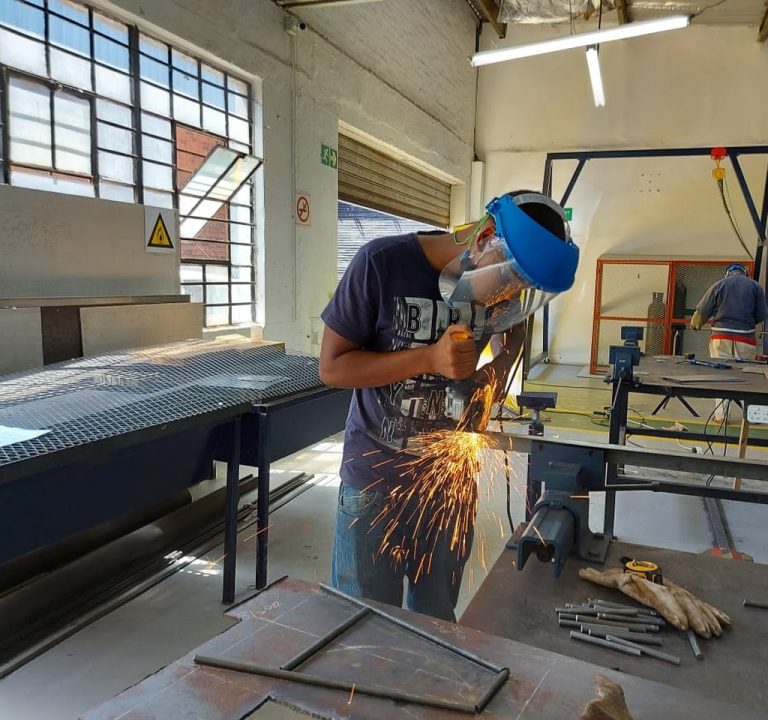
Jirah Academy – Welding School is a Training centre establishment in Durban, KwaZulu-Natal, South Africa
Jirah Academy – Welding School: Training Centre in Durban, KwaZulu-Natal
Jirah Academy operates as an independent training centre offering a range of technical and occupational programmes geared towards developing skilled artisans for South Africa’s engineering and industrial sectors. From vocational bridging to formal apprenticeship pathways, the organisation presents a structured route into trades that are essential for manufacturing, construction, and maintenance operations in KwaZulu-Natal and surrounding areas.
The Academy’s core provision spans two intertwined strands: general engineering trades training and the dedicated welding qualification. In the Engineering Apprenticeships stream, learners can pursue an Occupational Certificate through a three‑phase structure that combines college theory, practical centre training, and workplace learning. The programme map outlines a 12‑month college component covering N‑level study (N1–N3), followed by 12 months of practical training at the centre (Levels 2–4), and a further 12 months of workplace training, culminating in aTrade Test. The approach emphasises a Portfolio of Evidence (POE) as a record of demonstrated competencies across theory and applied work. Within this framework, welding is one of the key trades supported by the Academy, alongside electrical, instrumentation, millwright, mechanical fitting, and diesel or motor mechanic trades.
Jirah Academy also offers Learnerships in Agriculture (Howick, KwaZulu-Natal), illustrating a broader scope beyond traditional metalworking. The agricultural track includes Plant Production with levels 2, 3 and 4, reflecting the organisation’s commitment to practical, field‑based training as well as workshop-based competencies. This diversification positions the academy as a local hub for learners seeking accessible, government-aligned pathways into skilled trades and related technical disciplines.
The Welding School component provides a clear progression from Levels 2, 3 and 4 over a three‑year period, focusing on welding fabrication and repair using a range of techniques. Specialisations highlighted within welding include roles such as Flame Cutter, Aircraft Welder, Plate Layer, Welding Inspector, and various arc welding credentials, illustrating a breadth of potential career directions within the metallurgy and fabrication sectors. An additional emphasis is placed on Recognition of Prior Learning (RPL) for candidates seeking trade testing routes, aligning experience with formal assessment where appropriate.
Information on how requests and applications are handled indicates a straightforward recruitment and placement process. Prospective learners are guided through a readiness phase designed to prepare them for entry into formal training. The 6‑month Occupational Certificate Readiness Programme focuses on foundational learning, including engineering maths, engineering science, trade technologies, and technical drawings. This bridging module is intended to strengthen applicants’ readiness before entering the formal N‑course and 3‑stage apprenticeship framework.
Practical details regarding location and access show two Durban sites: the Jirah campus in Austerville (Gate 2 & 3, Retreat Street) and the Welding School sited at 397 Chamberlain Road, Jacobs, Durban. The distance learning and campus resources together support both theoretical study and hands‑on practice. The organisation’s address listings indicate services extend to the local Durban metro area and surrounding KwaZulu‑Natal communities seeking vocational training and trades certification.
Typical job types and industries connected to the training include electrical installation and maintenance, instrumentation and control, metal fabrication and welding, mechanical fitting and milling, and motor mechanics. The curriculum is designed to reflect workplace realities, with emphasis on reading technical diagrams, using trade tools, assembling and repairing components, and adhering to safety protocols. The inclusion of RPL pathways and trade testing indicates a recognition-driven approach that can shorten the route to certified status for experienced individuals.
- Main services offered:
- Occupational Certificate Training in Engineering trades (Electrical, Instrumentation, Welding, Millwright, Mechanical Fitting, Diesel and Motor Mechanic)
- Welding School with Levels 2–4 and RPL/Trade Testing options
- Bridging and readiness programmes for foundational engineering studies
- Agriculture Learnerships (Plant Production) at Levels 2–4
- Workplace training and College theory components forming a Portfolio of Evidence
- Typical job types and industries:
- Electrical technicians, instrumentation technicians, fitters and turners, millwrights, welders and fabricators, diesel and motor mechanics
- Maintenance and fabrication roles across manufacturing, construction, petrochemical and automotive sectors
- Agricultural operations and plant production roles
- How requests usually work:
- Applicant completes the bridging readiness stage to assess suitability for trade entry
- Formal apprenticeship components span college theory, centre training, and workplace learning
- Trade tests determine certification, with RPL options available for experienced candidates
- Programme information, timelines, and local intake are guided by campus locations and set admission requirements
Tips for prospective students include preparing for entry by reviewing the minimum entrance requirements (including age and certain Grade 12 maths competencies), gathering certified copies of results and identification, and noting the office hours for inquiries (8:00–14:00 on weekdays). The Durban locations serve a metropolitan catchment, offering relatively accessible access for learners living in the city and surrounding districts. Practical considerations also include budgeting for transport to the Austerville or Jacobs sites and arranging sufficient time to navigate the multi-stage training pathway—from bridging to final trade testing.
Durban
KwaZulu-Natal
4052
South Africa


Sorry, no records were found. Please adjust your search criteria and try again.
Sorry, unable to load the Maps API.
Training centre services in Durban, KwaZulu-Natal: an overview
Training centres in Durban, KwaZulu-Natal offer a range of practical learning solutions designed to equip individuals and organisations with relevant skills for the local economy. These centres typically cater to entrants seeking introductory capability as well as experienced professionals aiming to upskill. Across the city, programmes commonly focus on employability, technical proficiency, and compliance with industry requirements, delivered through a mix of classroom tuition, hands‑on practice, and supervised work simulations.
The core services revolve around short courses, accredited programmes, and customised training. Short courses cover fundamental skills such as effective communication, teamwork, customer service and basic information technology. More intensive offerings address technical disciplines such as construction, engineering, hospitality, logistics and dental or healthcare support, depending on local demand and partnerships with industry employers. Where available, programmes combine theory with practical exercises, enabling participants to apply concepts in realistic scenarios. This approach supports both immediate workplace utilisation and long‑term career progression.
Often, training centres provide a blend of learning formats to suit diverse needs. Classroom-based sessions allow for direct interaction with instructors, demonstrations and group activities. Practical workshops and simulated environments enable learners to practice tasks before applying them in real work settings. Some centres also integrate workplace‑based learning, whereby learners undertake supervised tasks within a partner organisation, reinforcing transferable skills and helping to bridge the gap between training and employment.
Assessment and progression are typically structured to reflect established learning outcomes. Learners may complete formative assessments during the course, followed by summative evaluations at key milestones. Where applicable, programmes align with recognised qualification frameworks within South Africa, though exact certification details will depend on the specific offering and its accreditation status. For organisations sending staff, many centres provide tailored evaluation to measure the impact of training on performance, productivity and compliance with regulatory requirements.
Clients can expect a supportive learning environment that emphasises accessibility and practicality. Training centres often organise flexible timetables, including daytime, evening and weekend sessions, to accommodate work commitments. Facilities may include well‑equipped classrooms, computer labs, workshop spaces, and accessible amenities. The emphasis is on creating an inclusive setting where learners can develop confidence, mastery of essential tasks, and the ability to transfer skills to the workplace.
Facilities and logistical considerations are important when choosing a Durban‑based centre. Location and transport links matter, particularly for commuters or organisations seeking convenient access for multiple staff members. Availability of parking, safe entry procedures, and accessibility for learners with disabilities are common concerns. Additionally, consideration is given to class sizes, instructor experience, and the flexibility of delivery modes to align with operational needs and budget constraints.
In terms of outcomes, Durban training centres aim to support both individual advancement and workforce development within KwaZulu‑Natal. Individuals may pursue personal development, career pivots, or enhanced employability, while businesses can cultivate a skilled workforce aligned with local industry priorities such as hospitality, logistics, manufacturing, and tourism. The practical emphasis of these centres helps learners translate new knowledge into tangible performance improvements in the South African context.
Ultimately, prospective participants are encouraged to inquire about course formats, duration, entry requirements, and the practical applicability of each programme. While offerings vary, Durban’s training centres share a common objective: to deliver accessible, relevant skills that reflect regional economic needs, enabling learners to embark on or advance their careers with confidence.