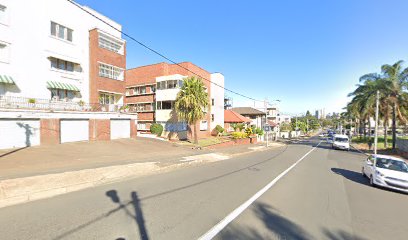
Pixel Craft – Media & Graphic Design Courses is a College establishment in Durban, KwaZulu-Natal, South Africa
Pixel Craft – Media & Graphic Design Courses in Durban, KwaZulu-Natal
Pixel Craft offers accredited, industry-focused graphic design education with options for on-campus study in Durban and flexible online courses across South Africa. Since 2013, the provider has positioned itself as a practical gateway into design careers, emphasising hands-on training, real projects, and portfolio development to prepare learners for employment or freelance work in creative industries. The programmes are designed to deliver industry-standard skills, recognised certification, and a portfolio that showcases talent to potential employers.
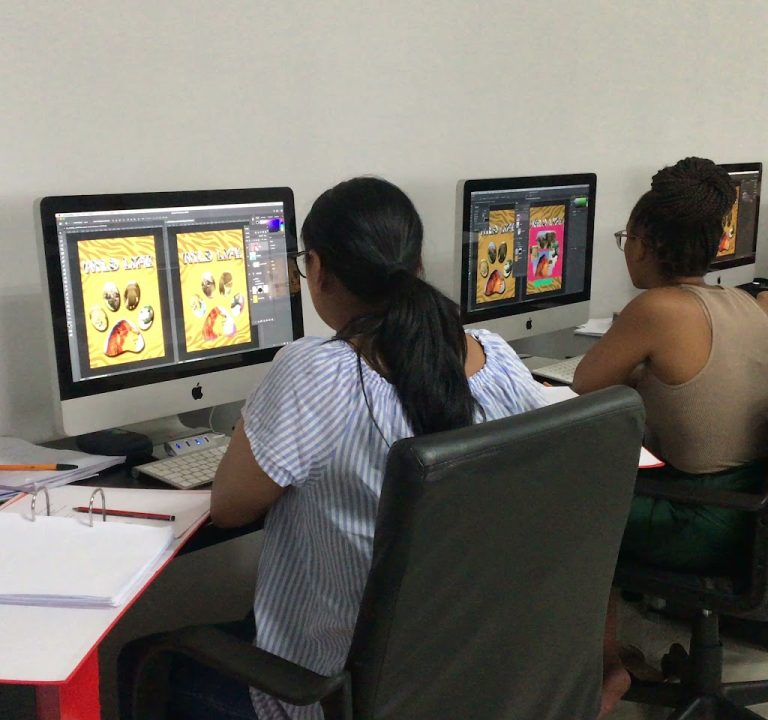
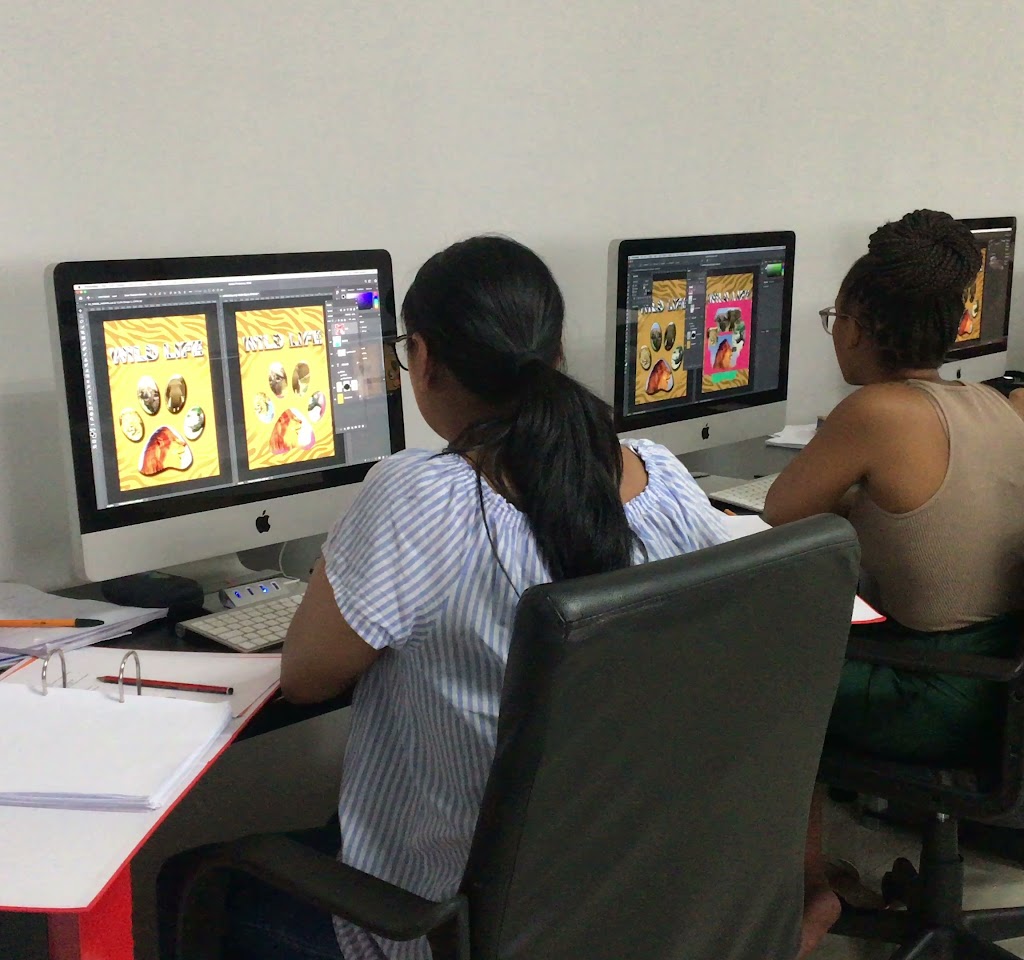
The core offering centers on graphic design, with complementary study paths in web design, animation, photography, and video production. The Durban on-campus Graphic Design Course is a six-month, beginner-friendly programme conducted Monday to Thursday from 9am to 12pm, with a small class size (limited to 12 seats) and mentor-led guidance. Online and part-time formats are available for the broader South African audience, including live online graphic design courses in the evenings, typically running 6pm to 8pm on selected weekdays. The online options are described as live, interactive sessions with real-time feedback, designed to fit around working commitments while earning an internationally recognised Adobe certificate.
Key features highlighted across offerings include access to industry-standard tools such as Adobe Photoshop, Illustrator, and InDesign, plus additional competencies in web design (notably WordPress), desktop publishing, animation, video content creation, and basic digital marketing concepts. Several modules emphasise a practical workflow: from concept development and typography to layout, colour theory, and print-ready production, ensuring learners can deliver professional artworks across print and digital platforms. The curriculum is explicitly career-focused, aiming to build practical skills, a robust portfolio, and clear career pathways into design studios, agencies, in-house teams, or freelance work.
What sets Pixel Craft apart, according to the information available, includes small classes with direct lecturer access, instructor-led sessions, ongoing support via email and WhatsApp, and a track record of industry relevance through instructors with extensive professional experience. The institution brands itself as trusted, accredited, and long-standing in the design education space, having formed partnerships with recognised industry bodies and tool providers (including Seta accreditation and Adobe training status). This combination is positioned to help students grasp not only the “how” of design tools but also the “why” behind design decisions.
In terms of outcomes, the programmes stress building a professional portfolio through real-world projects—logos, branding, social media content, motion graphics, and marketing materials. Graduates are prepared for industry opportunities in agencies, corporate design teams, and freelance engagements, with the training emphasising practical project delivery and the ability to work across print, digital, and motion media formats. The online modules even incorporate Artificial Intelligence tools into the workflow, reflecting current industry trends and ensuring learners stay aligned with modern practices.
Typical requests and course access are described as straightforward: prospective students can register for July intakes, with on-campus Durban classes and online options clearly presented. Information about course fees for the Durban graphic design course highlights a monthly figure (R4 980 per month) and a structured schedule, while online courses advertise six-month durations with evening sessions. Both pathways include course materials such as printed notes, access to software during the course, exercise files, and ongoing instructor support, ensuring participants have practical resources to complete their projects.
Practical tips for potential students include considering the location and delivery method that best fits their schedule and learning style: on-campus Durban classes suit those who value face-to-face mentoring and a fixed daytime timetable, whereas online, evening courses suit working individuals or those outside KwaZulu-Natal. Prospective learners should review module lists to ensure coverage of Photoshop, Illustrator, InDesign, and essential complementary skills (web design, animation, video content), and look for programmes that offer portfolio-building opportunities and post-course guidance such as job placement assistance. Early registration is advised due to limited seats for the on-campus Durban Graphic Design Course, and cross-state online options provide broader access to qualifying certification and training resources.
Hours and service areas referenced indicate a Durban-focused campus operation within KwaZulu-Natal, with nationwide online access across South Africa. The emphasis on practical, industry-aligned training, small class sizes, and continuous mentor support aims to create a credible pathway from beginner to industry-ready designer, supported by recognised qualifications and a portfolio-ready output suitable for contemporary design roles.
Durban
KwaZulu-Natal
4001
South Africa
Sorry, no records were found. Please adjust your search criteria and try again.
Sorry, unable to load the Maps API.
College Services in Durban, KwaZulu-Natal
Durban, a major coastal city in KwaZulu-Natal, hosts a range of college provisions designed to support students through the academic journey and into the workforce. The services typically offered focus on ensuring access to learning resources, guidance throughout the study cycle, and practical assistance that helps learners transition to professional environments. In Durban, colleges often balance theoretical instruction with hands-on training, reflecting regional strengths in commerce, tourism, technology, and community development.
Academic and learning support is a core feature of Durban colleges. Students can expect well-equipped libraries, quiet study spaces, and access to information literacy programmes. Tutorial and mentoring arrangements are commonly available to assist with coursework, exam preparation, and critical thinking skills. Language support may also be offered to accommodate diverse student cohorts, including those for whom English or Afrikaans is a second language. For more technical or professional disciplines, colleges frequently provide industry-relevant laboratories, workshops, and computer suites to reinforce classroom learning with practical practise.
Career guidance and employability services form a key part of the student experience. Colleges in Durban typically offer career information, CV writing workshops, interview preparation, and occupation-specific guidance for different sectors. In some instances, partnerships with local employers and industries are established to facilitate work-based learning or internship opportunities, helping learners gain real-world exposure while studying. Students may also access information sessions about industry trends, professional standards, and routes to further study or certification.
Student welfare and support services are an important consideration for higher education access and retention. Durban colleges commonly provide counselling services, disability support, and wellness programmes aimed at fostering resilience and personal development. Financial information and application assistance for bursaries, grants, and student loans may be available to eligible learners, along with guidance on budgeting, fee payment options, and dispute resolution processes. Social and cultural activities, student clubs, and community outreach initiatives are often encouraged to promote a balanced and engaging campus life.
Accommodation and transport considerations are practical aspects of attending college in Durban. Some campuses offer on-site or nearby student housing, while others provide information about safe, affordable options in the surrounding areas. Public transport and commuting arrangements are typically considered, with guidance on route planning, travel passes, and safe travel practices. Climate and geography influence daily routines, with the coastal location offering opportunities for accommodating fields such as marine studies, environmental science, and tourism-focused programmes where relevant.
Administration and enrolment processes are generally straightforward, though requirements vary by campus and programme. Prospective students can expect clear information about admission criteria, application deadlines, document requirements, and timelines for class enrolment. Once registered, students may receive access to timetable information, campus facilities, and IT services. It is common for colleges to publish course outlines, assessment policies, and progression rules to support transparency and informed decision‑making.
Health and safety considerations are commonly emphasised, with campuses adopting basic safety protocols, secure facilities, and appropriate student support structures. While the exact safeguarding mechanisms differ by institution, the general priority remains to provide a secure and inclusive learning environment. Prospective learners should verify campus-specific details such as accreditation status, recognised qualifications, and any additional requirements directly with the college to ensure alignment with career plans and regional industry needs.
Overall, the college landscape in Durban offers a practical path for individuals seeking vocational credentials, diploma programmes, and professional qualifications. The emphasis is on accessible learning resources, structured guidance, and services designed to support student success within the South African post‑secondary education system and the regional economy of KwaZulu-Natal.