no-image
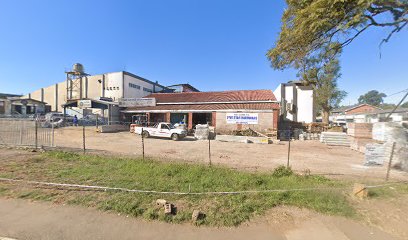
Psychologist Thembi Chaka is a Mental health service establishment in Durban, KwaZulu-Natal, South Africa
Durban
KwaZulu-Natal
Camperdown, Durban
South Africa

no-image
Sorry, no records were found. Please adjust your search criteria and try again.
Sorry, unable to load the Maps API.
Mental health services in Durban, KwaZulu-Natal: what to expect
Durban, a coastal city in KwaZulu-Natal, offers a range of mental health services designed to support individuals facing emotional, behavioural, and psychological challenges. Services are typically organised to address acute needs, ongoing management, and preventive care, with a mix of public sector, private practitioners, and community organisations contributing to a local network of support. Access might vary according to urgency, financial means, and the specific nature of concerns.
Common services include assessment and diagnosis, counselling and psychotherapy, crisis intervention, psychiatric care, and community-based programmes. Initial assessments often involve confidential conversations with trained professionals to understand presenting symptoms, medical history, social circumstances, and risk factors. Based on the assessment, a care plan may be proposed that outlines possible treatment modalities, expected timelines, and referral pathways. In many cases, treatment plans are flexible, adapting to progress and changing circumstances.
Counselling and psychotherapy are routinely available in various settings, such as clinics, private practices, and non-profit organisations. Approaches can range from individual therapy to couples, family, or group sessions. Therapists may specialise in areas such as anxiety, depression, trauma, grief, substance use, or behavioural concerns. Access can be through in-person sessions or, in some instances, telehealth formats, particularly where travel poses a challenge or where ongoing support is preferred.
Crisis intervention and urgent care form a vital part of the service landscape. For individuals in immediate distress or at risk of harming themselves or others, local emergency rooms, dedicated crisis teams, and hotlines are typically available. Multi-disciplinary teams may coordinate rapid assessment, safety planning, and short-term support, with linkage to longer-term services as appropriate. Community mental health programmes often provide outreach and support for marginalised groups, aiming to reduce barriers to care and promote early intervention.
For ongoing management, psychiatrists and other prescribers may offer medication management as part of a broader treatment plan. This can include stabilising mood, reducing symptom burden, and supporting functioning in daily life. Medication decisions are usually made collaboratively, considering side effects, other health conditions, and patient preferences. Complementary supports, such as occupational therapy, social work, and peer support, may be integrated into care to address social determinants of health, practical daily living, and rehabilitation goals.
Practical considerations for individuals seeking mental health services in Durban include navigating varying levels of access and funding. The public health system can provide essential services, though wait times and regional demand may influence when care is available. Private practitioners may offer more rapid access and continuity of care but at a cost that requires consideration of personal insurance coverage or out-of-pocket expenses. It is common for facilities to require a formal referral from a general practitioner or community health worker, particularly for specialised services or hospital-based pathways.
Locations commonly feature courteous reception processes, private consultation rooms, and discreet handling of sensitive information. Privacy and confidentiality are emphasised in most settings, with clear explanations of consent, the nature of treatment, and the rights of patients. Some services prioritise culturally sensitive care, recognising diverse backgrounds in Durban, including factors such as language, tradition, and community support networks that influence mental well-being and help-seeking behaviour.
- Assessment and diagnostic services
- Individual, couples, family, and group therapy
- Crisis intervention and emergency mental health care
- Medication management and psychiatric consultation
- Community outreach and social support programs
Overall, Durban’s mental health services aim to provide compassionate, evidence-informed care that supports recovery, resilience, and improved quality of life. Prospective clients are encouraged to contact a local clinic or health facility to understand available options, referral procedures, and suitable entry points for their specific needs.