no-image
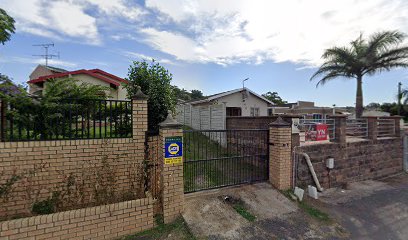
CENTRE FOR MEDICAL EXCELLENCE is a Doctor establishment in Durban, KwaZulu-Natal, South Africa
Durban
KwaZulu-Natal
4068
South Africa

no-image
Sorry, no records were found. Please adjust your search criteria and try again.
Sorry, unable to load the Maps API.
Doctors’ Services in Durban, KwaZulu-Natal
Durban, a coastal city in KwaZulu-Natal, offers a broad range of medical services delivered by general practitioners, specialists, and hospital-based teams. The healthcare landscape combines public sector facilities with private practices, providing options for routine care, urgent needs, and advanced treatment. The atmosphere tends to be pragmatic and service‑oriented, with a focus on accessible care for residents and visitors alike.
In most cases, a patient’s journey begins with a general practitioner (GP) or family doctor who coordinates ongoing healthcare. GPs handle routine health assessments, preventive care, and the management of common conditions. For persistent or complex concerns, patients are often referred to specialists such as cardiologists, dermatologists, endocrinologists, or orthopaedic surgeons. Durban hosts medical facilities equipped with diagnostic imaging, laboratory services, and day procedures, enabling a comprehensive approach within a single city region.
Typical consultations cover a wide spectrum of needs. Routine check-ups focus on physical examinations, medical history reviews, and health risk assessments. Preventive measures include immunisations, screening tests, and lifestyle advice aimed at reducing the likelihood of future health issues. When symptoms arise, consultations may address acute illnesses, injuries, persistent fatigue, or signs that require closer monitoring. In the management of chronic diseases—such as hypertension, diabetes, or asthma—patients often engage in regular reviews, medication management, and personalised care plans developed with a doctor’s oversight.
Diagnostic services commonly accompany medical consultations. Local clinics and private practices may offer on-site tests such as bloodwork, urine analysis, and basic imaging. In more complex cases, patients are referred to hospital-based facilities for advanced imaging (including X‑rays, ultrasound, or MRI) or specialised tests. Timely access to diagnostics is a practical consideration, with waiting times varying by facility, urgency of the condition, and whether care is sought in the public or private sector.
The patient journey often includes prevention and wellbeing: vaccinations, maternal and child health support, antenatal care, and guidance on nutrition, exercise, and mental well-being. Dermatology clinics in the region handle skin concerns, while orthopaedic and accident-and-emergency services address injuries and musculoskeletal issues. Public health campaigns and local clinics also contribute to community health, emphasising early prevention and routine screening as part of the broader healthcare framework.
Practical considerations for accessing doctor services in Durban include appointment arrangements, consultation fees, and the role of medical aid schemes. In the private sector, appointments are typically scheduled and may offer shorter waiting times, while the public system provides essential services with a broader intake but longer waits. Patients often keep documentation such as identification, proof of medical aid membership where applicable, and past medical records to facilitate continuity of care. It is common to carry a list of current medications and any known allergies for safe and efficient consultations.
When seeking care, the location and accessibility of facilities are important factors. Durban’s medical practices are commonly located within medical centres, clinics, and hospital campuses across the eThekwini Metro area, with options in coastal suburbs as well as inland communities. Language preferences, cultural considerations, and the availability of translation services may influence the patient experience, particularly in diverse urban settings.
Overall, doctor services in Durban aim to provide reliable, person-centred care across a spectrum of general and specialist needs. The emphasis remains on clear communication, appropriate diagnostics, and coordinated treatment plans that support both immediate wellbeing and long-term health goals.