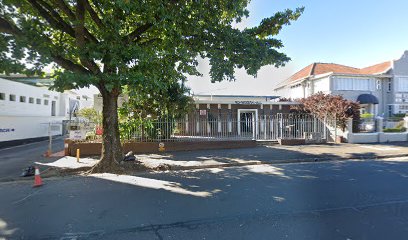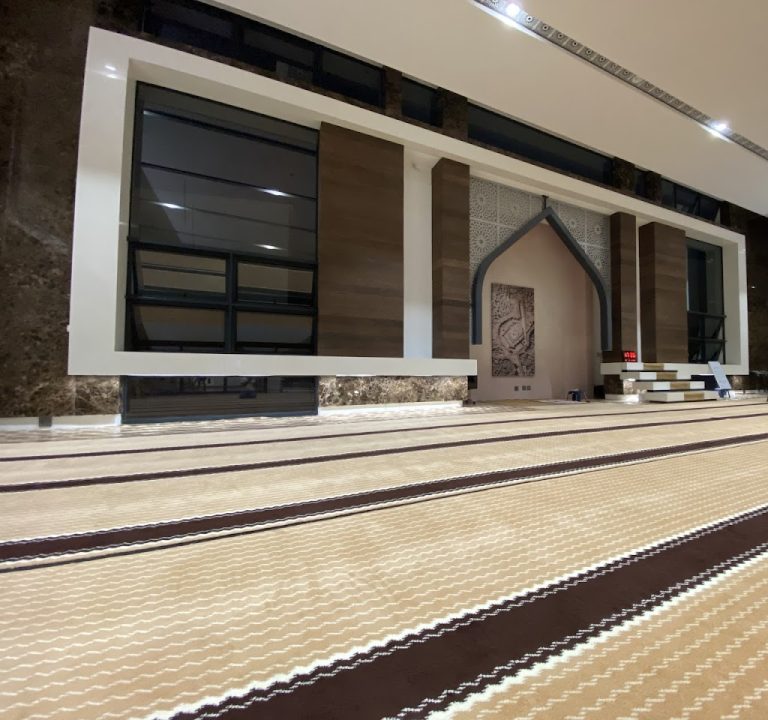
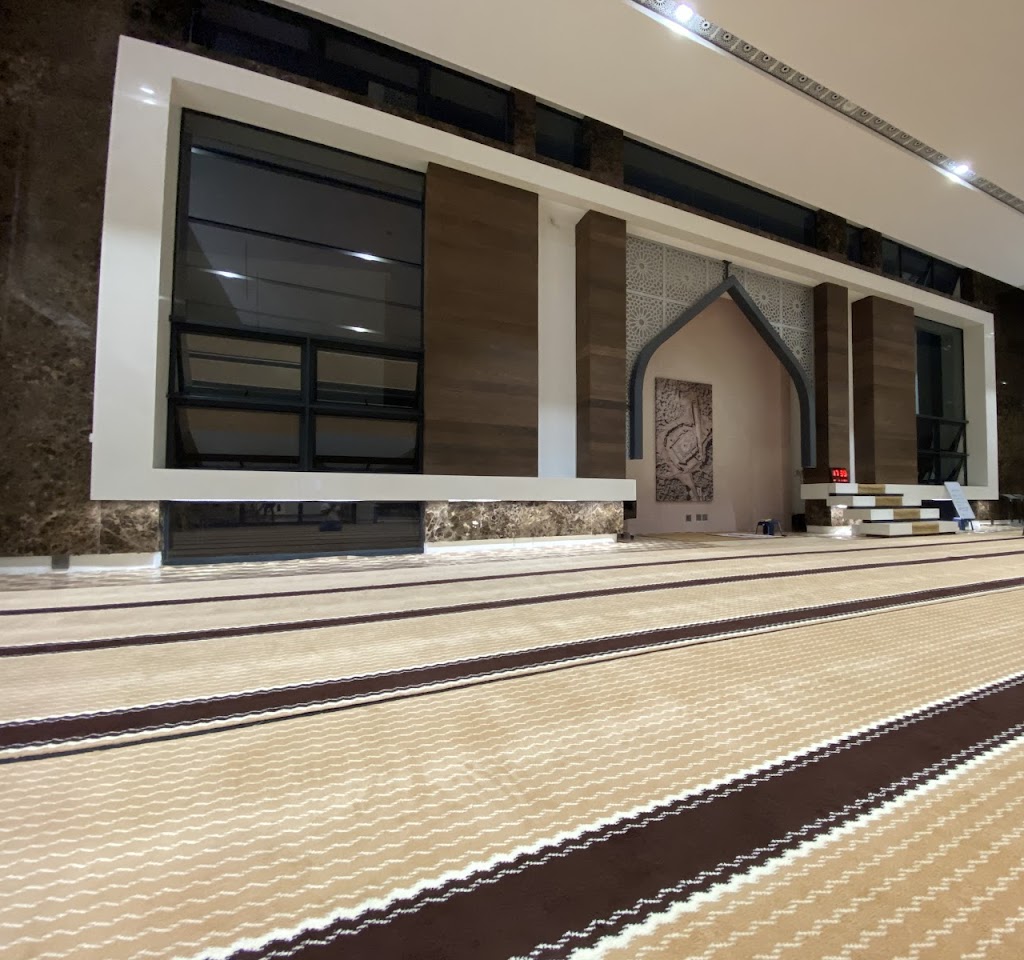
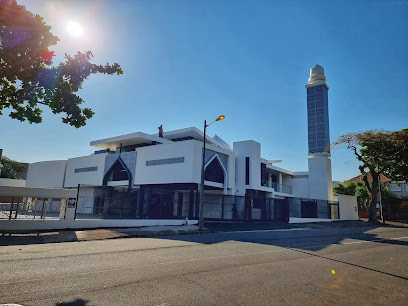
Musjidus Salaam – Musgrave is a Mosque establishment in Berea, Kwa-Zulu Natal, South Africa
Musjidus Salaam – Musgrave: a Kwa-Zulu Natal mosque serving the Berea community
Musjidus Salaam, located at 220 St Thomas Road in Musgrave, Berea, Kwa-Zulu Natal, operates as a focused centre of worship and community activity. The site presents itself as a tranquil space for daily prayers, with clear provisions for five daily Salah times and the essential Jummuah congregational prayer. The mosque is visible in its online footprint through sections dedicated to Salah times, Adhan, and Listen Live streams, illustrating an ambition to support both in-person and remote engagement with worshippers.
Core services and features include a structured schedule of Salah times—Fajr, Zuhr, Asr, Maghrib, and Isha—along with Adhan notifications and information about Jummuah. The presence of “Listen Live” options via two streaming platforms demonstrates a commitment to accessibility, enabling worshippers who are unable to attend in person to participate remotely. The site also showcases reciprocal religious practices through resources such as Sehri Ends, Sunrise, Zawaal, and Sunset timings, reflecting traditional observances around Ramadan and daily prayer rhythms.
Beyond prayer, the mosque emphasises avenues for community support and participation. Donations are invited through multiple channels, including online payments and physical donation points within the mosque (a cash box to the left of the entrance and a pay station to the right). The donation information explicitly names the Musgrave Musjid Trust and provides banking details for accountability and transparency, underscoring the institution’s focus on sustaining maintenance and activities for the benefit of worshippers and the wider community.
The site also maintains a dedicated “Recordings” section, highlighting thematic programmes such as Jummuah recordings, Ramadan series, and related programmes. This element indicates an emphasis on learning, reflection, and ongoing religious education, accessible to both local attendees and wider audiences who may wish to engage with the mosque’s offerings asynchronously.
Visitor information is consolidated through straightforward contact details and a map reference, placing the mosque firmly within the Berea area of Durban. The contact page reiterates the physical address and provides an email address for inquiries, alongside links to social media channels. This multi-channel approach supports a sense of openness and community communication, and helps visitors locate the mosque or get in touch for feedback or guidance.
In terms of the customer experience, Musjidus Salaam presents a calm, orderly impression online, with easily navigable sections for prayer timetables, live listening options, donation facilities, and programme recordings. The emphasis on both live and recorded content suggests an experience designed to accommodate different preferences for engagement—whether worshippers favour attending in person, listening during a commute, or studying late into the evening.
Practical tips for visitors and worshippers:
- Consult the Salah Times section ahead of planned visits to align attendance with Fajr, Zuhr, Asr, Maghrib, and Isha offerings, and to anticipate Adhan cues.
- Utilise the Listen Live links if attending in person is not feasible, to participate in the day’s prayers remotely.
- If contributing financially, consider using the online donation option or the cash box/pay station inside the building, noting the Musgrave Musjid Trust and banking details for traceability.
- Check the Recordings section for Jummuah recordings or Ramadan programmes to deepen understanding and reflection outside of live attendance.
- Refer to the contact page for directions and to initiate correspondence regarding feedback or queries, with the address clearly listed for easy navigation.
Overall, Musjidus Salaam – Musgrave presents a focused, community-oriented venue for prayer, learning, and charitable support, rooted in a concrete geographical place within Berea. The combination of daily worship, congregational provision, streaming options, and educational recordings paints a picture of a mosque that aims to serve both the spiritual needs and the informational needs of its worshippers and neighbours.
Berea
Kwa-Zulu Natal
4001
South Africa
Sorry, no records were found. Please adjust your search criteria and try again.
Sorry, unable to load the Maps API.
Mosque services in Berea, Kwa-Zulu Natal, South Africa
Mosques in Berea, Kwa-Zulu Natal, serve as essential centres for religious practice, education and community support within a diverse urban context. They are typically places where residents gather for daily prayers, life event ceremonies and charitable activities, reflecting a tradition of hospitality and communal responsibility that characterises many Muslim communities in South Africa.
Daily prayers are a common rhythm in Berea mosques, with the five daily obligatory prayers observed by congregants and individuals alike. The site of Friday prayers, or Jumu’ah, is usually the principal weekly gathering, offering a longer sermon (khutbah) followed by collective prayer. The timing of these services follows local prayer times, which adjust with the seasons and are announced on mosque notice boards or through community networks. In Berea, prayers are typically conducted in a respectful and orderly manner, with clear guidance for arriving early to secure space in the main prayer hall and precautionary spaces for overflow when needed.
Educational and cultural programmes are common features. Many mosques provide classes for children and adults centred on Quran study, Arabic language basics, and the foundations of Islamic jurisprudence (fiqh). These sessions offer opportunities for families to engage together, reinforcing religious knowledge while fostering community ties. In addition to formal study, mosques often host talks and lectures on ethical living, family relations and social responsibility, reflecting broader South African traditions of community education and dialogue.
Community welfare services represent another important aspect. Mosques in Berea frequently participate in benevolent activities such as food drives, charity collections, and fundraising for those in need. Zakat (almsgiving) and sadaqah (voluntary charity) are commonly encouraged as expressions of Muslim duty to assist the vulnerable. During dietary observances, mosques may organise communal meals, especially during Ramadan, where the iftar is shared after sunset, fostering hospitality and mutual support among attendees.
Facilities and practical considerations are important for visitors. Most mosques provide dedicated ablution spaces (wudu facilities) to perform ritual washing before prayer, with clear signs and staff or volunteer volunteers on hand to offer guidance. Dress modestly and respectfully; many mosques request the removal of shoes before entering the prayer hall and expect appropriate attire for both men and women. In Berea, street parking is often available nearby, but some mosques may have limited or designated parking areas, particularly during Friday prayers. Visitors are advised to arrive a little ahead of the main prayer times to navigate security and seating arrangements smoothly.
Access and inclusivity are increasingly visible in urban Mozques across South Africa. While practices can vary by institution, most Berea mosques welcome newcomers and those exploring Islamic faith and culture with courtesy and clear information. Guidance on suitable conduct usually emphasises quiet reverence within the praying spaces, respectful dress, and consideration for others’ personal space and concentration during prayers. Signage, multilingual announcements, and volunteer ushers frequently help visitors navigate the building and understand the order of services.
In addition to worship and study, mosques in Berea often act as hubs for social interaction and cultural exchange. They can provide a peaceful environment for reflection and dialogue, particularly in a city renowned for its multicultural fabric. For visitors, the experience usually combines solemn worship with opportunities to learn about local customs, cuisine, and community initiatives, all conducted within a framework of mutual respect and shared human values.
- Daily prayers and Friday Jumu’ah
- Quran and Arabic language classes
- Ramadan programmes and Iftar gatherings
- Charitable activities and zakat collections
- Ablution facilities, modest dress codes, and respectful conduct