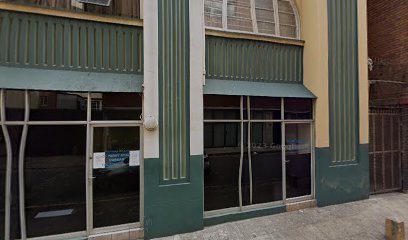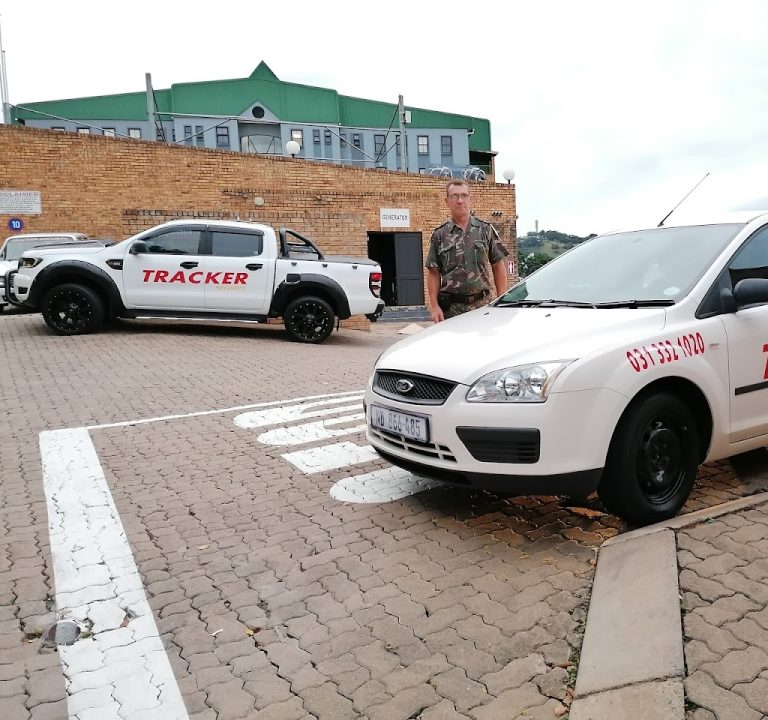
Tracker Security is a Security service establishment in Durban, KwaZulu-Natal, South Africa
Tracker Security: Security Services and Customer Experience in Durban, KwaZulu-Natal
Tracker Security presents itself as an experienced provider of asset management and security services, emphasising a personalised approach to risk analysis and guard deployment. With a stated 27 years in the industry, the organisation frames its offering around tailored site assessments, rigorous staff screening, and hands-on management. The emphasis on dedicated supervisory support and a central control centre signals an operational model built on consistent oversight and real-time monitoring.
The company highlights a structured approach to staffing and compliance. Before any engagement begins, personnel undertake SACB checks (a reference to a local background screening practice), followed by targeted recruitment and pre-training aligned to the client’s specific security needs. This is complemented by ongoing on-site retraining to ensure adherence to relevant legislation and internal standards. A Level 3 BEE rating is noted, which may be relevant to businesses seeking procurement and supplier diversity alignment.
Operational control is described as centralised and technology-enabled. Information obtained at contract inception—such as site addresses, after-hours contacts, opening and closing times, and vehicle registration numbers—is stored in a restricted control centre. The utilisation of guard monitoring systems, exemplified by a system referred to as “BLOODHOUND,” is presented as a means to generate precise reports on guard movements upon request. This combination of human supervision and technological oversight underpins Tracker Security’s approach to accountability and performance measurement.
The services are grouped under a broad guarding portfolio designed to meet diverse security needs across industries. The main service categories include:
- Security Guards: Fully vetted, manned and static guards available across South Africa to provide maximum protection.
- Commercial Security: 24/7 manned, mobile and gatehouse security for premises such as factories and warehouses.
- Corporate Security: Security staff for corporate offices, hotels, hospitals, and related facilities, with additional concierge and reception security options.
- Event Management: Static security and crowd management for events of all sizes to help ensure smooth operation.
- Community Patrols: Armed and unarmed marked vehicle patrols aimed at crime prevention for neighbourhoods experiencing higher crime rates.
- Retail Security: 24/7 protection for retail premises through professional guards, officers, or discreet store detectives.
- Construction Security: Day and night security for construction sites with fully vetted guards and staff.
While the materials focus on a nationwide capability, the category and offerings are particularly relevant to Durban’s business and residential security contexts, including industrial sites, commercial properties and retail environments. The combination of on-site security personnel, mobile patrols and facility-specific security planning positions Tracker Security as a flexible partner for varying risk profiles.
From a customer experience perspective, the narrative suggests an authoritative, process-driven approach. Initial consultations are presented as a pathway to evaluating security needs—with an implied emphasis on transparency and tailored solutions. The control centre, alongside monitoring technology, appears intended to provide clients with assurance through traceable performance and the ability to request reports on guard activity. The presence of on-site retraining and compliance focus further indicates a commitment to responsive and compliant service delivery.
Practical tips for potential clients include considering the following:
- Prepare a clear brief for risk assessment, including site layout, access points, and any known security challenges.
- Discuss reporting expectations upfront, particularly in relation to movement monitoring and incident documentation via the BLOODHOUND system or similar technologies.
- Ensure staff vetting and training requirements align with the specific industry sector (industrial, corporate, retail, healthcare, etc.).
- Clarify the level of supervisory support and on-site management structure that will be provided for ongoing peace of mind.
- Request information on supervision ratios, arrival/departure procedures, and after-hours contact protocols to optimise shift coverage.
Business hours and visit timings are not explicitly stated in the available materials, and while the service footprint is described as South Africa-wide, Durban-specific operating details are not itemised. The service area coverage and the centralised control framework suggest readiness to support clients across KwaZulu-Natal, including Durban businesses and communities seeking enhanced protection for premises, assets and personnel.
Durban
KwaZulu-Natal
4001
South Africa

Sorry, no records were found. Please adjust your search criteria and try again.
Sorry, unable to load the Maps API.
Security service provisions in Durban, KwaZulu-Natal
Durban, a major coastal city in KwaZulu-Natal, presents a diverse landscape for security services aimed at commercial, residential, and industrial needs. Service providers in this region typically address risk assessment, deterrence, and rapid response, combining traditional guarding practices with modern monitoring strategies. The aim across offerings is to enhance safety, protect assets, and provide peace of mind to clients within a bustling urban environment and surrounding suburbs.
Many security outfits in Durban specialise in both physical guarding and electronic surveillance. Physical guarding often includes on-site patrols, access control management, and alarm monitoring for premises ranging from office blocks to shopping centres and industrial facilities. Armed and unarmed guarding can be selected based on assessed risk levels, with guards trained to handle high-visibility deterrence, incident reporting, and emergency coordination. The presence of trained personnel is typically complemented by perimeter control measures such as fencing, gates, and professionally deployed lighting systems to reduce vulnerability after hours.
Electronic security services form a prominent component of Durban’s security landscape. Providers commonly offer intruder detection systems, CCTV surveillance with remote monitoring, and alarm systems linked to central monitoring stations. Modern installations may include analytics for movement, facial recognition (where legislation and privacy considerations permit), and mobile app access to status updates. These technologies are frequently tailored to the operational realities of Durban’s commercial districts, coastal tourism zones, and residential estates, aiming to shorten incident response times and assist in incident verification.
Access control is another cornerstone of security delivery in KwaZulu-Natal. Solutions often encompass visitor management, biometric or card-based entry systems, and timed access for workers and contractors. In sensitive environments, a layered approach may be deployed, combining physical barriers, electronic authentication, and supervisory oversight to ensure only authorised entry during specified windows. For businesses operating across multiple sites, centralised access policies help maintain consistency while adapting to site-specific risks.
Responding to incidents swiftly is a priority for security providers in the region. Patrol services, rapid response teams, and coordination with local law enforcement agencies are common components of a comprehensive security plan. Incident management typically involves clear reporting, evidence collection, and remedial actions such as securing premises, directing safe withdrawal of occupants, and initiating escalation protocols. Given Durban’s climate and urban layout, particular attention is often paid to flood risks, storm preparation, and rooftop or high-exposure vulnerabilities in commercial properties.
In areas such as industrial parks and distribution hubs, security service offerings may extend to loss prevention, cargo escort, and vehicle patrols. These services are designed to mitigate theft, protect critical assets, and ensure smooth operational workflows. For retail environments, loss prevention programmes concentrate on customer and staff safety, shopfloor monitoring, parasite or shoplifting prevention, and collaborative discussions with store management on best practices.
Practical considerations for security engagements in Durban include compliance with South African regulations, privacy standards, and the specific needs of coastal and inland communities. Clients often evaluate factors such as response times, the adaptability of security solutions to fluctuating demand (for instance during peak tourist seasons or regional events), and the reputation and reliability of monitoring centres. Ongoing routines typically involve site assessments, the review of risk registers, and periodic updates to security plans to reflect changing conditions, expanded premises, or evolving threat profiles.
- Assessment and planning: risk review, site surveys, and customised security strategies.
- Guarding and physical security: on-site guards, patrols, access control, and perimeter protection.
- Electronic security: CCTV, alarm systems, and central monitoring with remote access.
- Incident response: rapid deployment, coordination with authorities, and post-incident reporting.
- Specialised services: loss prevention for retail, cargo protection for logistics, and event security for venues and gatherings.
Overall, security service provision in Durban blends traditional guarding with adaptive electronic solutions, designed to meet the varied requirements of urban workplaces, coastal venues, and residential communities. The objective remains to deliver reliable protection, transparent communication, and practical measures that align with the unique dynamics of KwaZulu-Natal.