Durban Undersea Club is a bars establishment in Durban, KwaZulu-Natal, South Africa
Durban Undersea Club (DUC) – services and visitor experience in Durban, KwaZulu-Natal
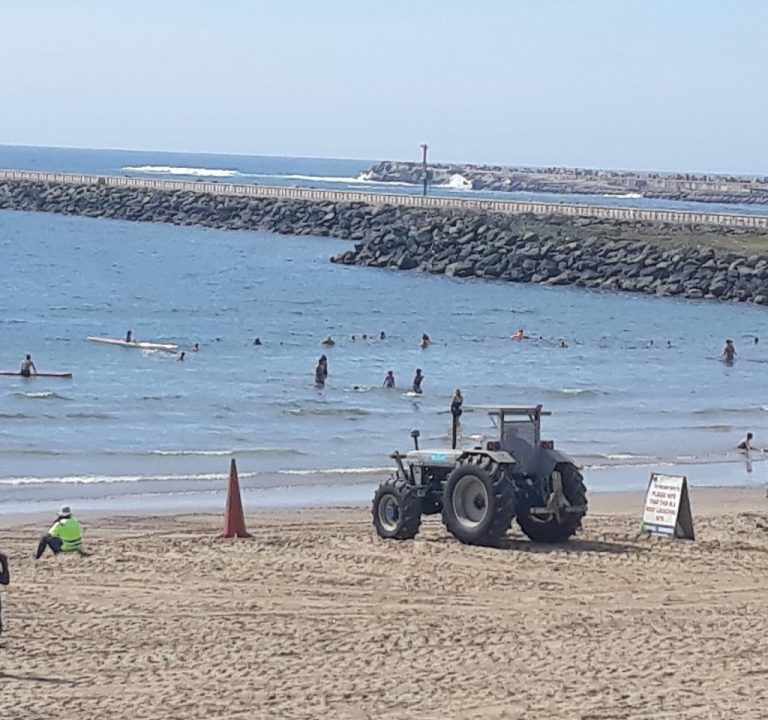
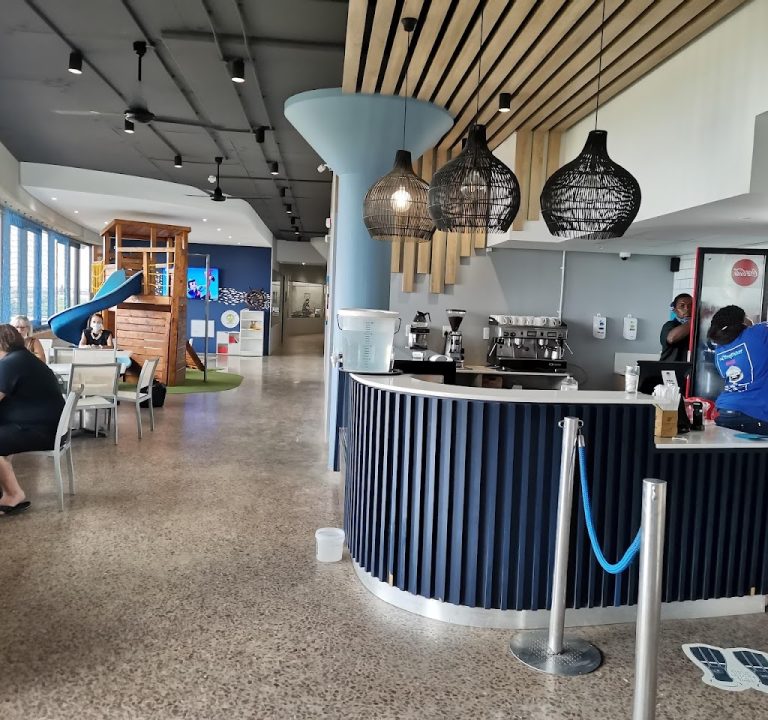
Durban Undersea Club, known to locals as DUC, presents itself as a family‑oriented, social hub for individuals with an interest in the ocean and its beaches. The club functions as a communal space where water sport enthusiasts can gather to arrange activities, train, and entertain guests. Within its clubhouse, multiple sports and activities are hosted, enabling participants to connect with like‑minded neighbours and visitors while pursuing shared aquatic passions.
The club’s offerings are organised around a spectrum of ocean‑based activities. Scuba diving stands as a primary draw, with dedicated content covering Durban dive sites that include wrecks and reefs. This framing suggests a focus on exploring underwater environments around Durban, catering to divers of varying experience levels who are seeking structured opportunities to access local dive sites. For those with an interest in sea life beyond surface‑level exploration, underwater photography is also featured, indicating opportunities for members and visitors to document underwater scenes, share experiences, and possibly participate in organised shoots or competitions.
Open water swimming is another notable activity linked to the club’s programme. This suggests a commitment to providing inclusive freshwater or saltwater swimming experiences in open‑water settings, which can appeal to triathletes, fitness swimmers, and recreational swimmers seeking a coastal environment for lap training or casual swims.
In addition to diving and swimming, the club supports underwater activities such as underwater hockey, which highlights a niche sport that blends teamwork and aquatic movement. The presence of underwater hockey points to a club infrastructure that accommodates different skill levels—from novice enthusiasts to more practiced players—within a social club context.
Boating forms part of the club’s ecosystem as well, with references to boat inspections, boating regulations, and paperwork. This indicates a structured approach to watercraft activity, where safety, compliance, and proper documentation are addressed as part of the user experience. The inclusion of these topics alongside environmental initiatives signals a broader emphasis on responsible, community‑minded engagement with the coast.
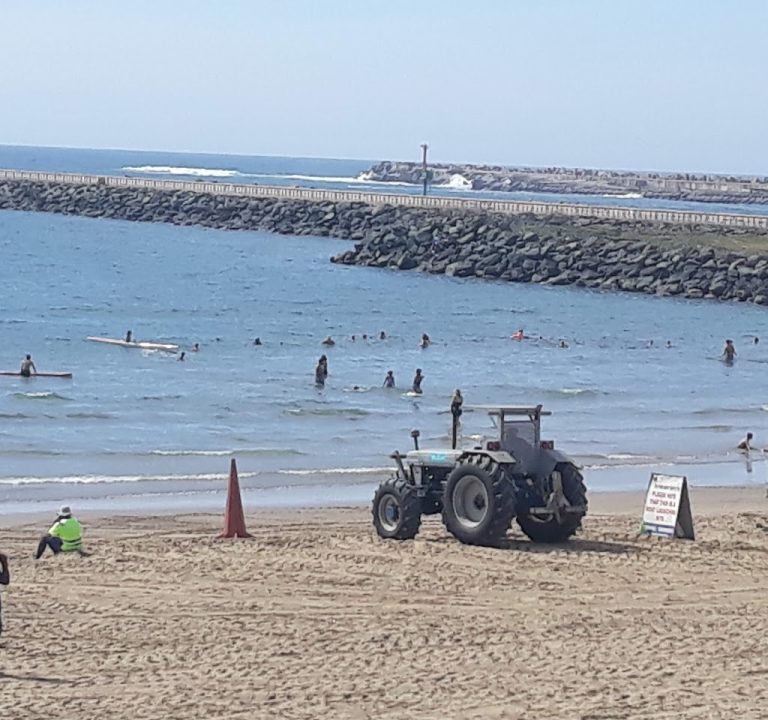
Environmental initiatives underpin the club’s ethos, including campaigns such as recycling flip flops and participation in beach cleaning campaigns. These activities suggest a community‑minded organisation that encourages members and visitors to contribute to ocean health and coastal stewardship as part of the overall experience.
From a visitor perspective, the club appears to prioritise social interaction and practical access to a range of water‑based pursuits. The clubhouse acts as a central meeting point where participants can network, plan sessions, and entertain guests, reinforcing the sense of a welcoming, community‑driven environment rather than a purely services‑driven venue.
The Durban Undersea Club’s online footprint emphasises a structured and diverse programme, with dedicated sections for each activity that indicate a clear route for individuals to explore their interests. While precise schedules, pricing, and member requirements are not stated in the available material, the organisation’s framing as a family‑friendly, inclusive club suggests accessibility for locals and visiting divers and open water enthusiasts who value a collaborative atmosphere.
Practical tips for customers planning a visit or participation include reviewing the club’s activity pages to understand the range of experiences on offer and preparing for open water contexts, particularly for diving and swimming activities. Prospective participants might benefit from engaging with the club’s environmental initiatives, which provide opportunities to contribute to coastal conservation while enjoying sea‑side activities. Given the focus on boat‑related processes, enquirers should anticipate potential documentation or regulatory considerations when engaging in boating activities or inspections.
Location and reach indicate a Durban‑based operation serving KwaZulu‑Natal’s coastal communities, with the ocean as the central stage for activities. While explicit business hours or best times to visit are not listed in the accessible content, planning around daylight hours for open water activities and clubmeetings is a sensible approach, particularly for those new to the area or visiting from other regions.
In sum, Durban Undersea Club presents a coherent, community‑minded offering that blends practical watercraft and diving facilities with a social clubhouse environment. For visitors and locals with an interest in the ocean—whether for sport, photography, or environmental action—the club provides a versatile gateway to Durban’s coastal lifestyle and its underwater landscapes.
Durban
KwaZulu-Natal
4001
South Africa

Sorry, no records were found. Please adjust your search criteria and try again.
Sorry, unable to load the Maps API.
Bar services in Durban, KwaZulu-Natal: what customers can expect
Durban’s bar scene blends coastal charm with a diverse range of drinking experiences, from bustling city-centre taverns to relaxed beachfront venues. In general, bars in this region offer a blend of casual drinks, socialising spaces and occasional entertainment, all set against the warm climate and vibrant cultural mix that characterises KwaZulu-Natal. Patrons can anticipate a focus on quality local ingredients and regional influences, alongside familiar favourites from national chains and independent operators.
Most bars provide a core service: a well-stocked drinks list featuring beer, wine, cocktails and non-alcoholic options. Durban venues often emphasise lighter, refreshing choices suitable for warm evenings, including locally brewed beers and vibrant, fruit-forward cocktails. Many establishments also offer a selection of classic pub-style fare or light snacks to accompany drinks. For those seeking a more substantial option, some bars operate partnerships with nearby kitchens or in-house kitchens that provide small plates, sharing boards and seasonal favourites. The goal is to complement the drinks while maintaining a relaxed, sociable atmosphere.
Cocktail culture is widely visible, with bars showcasing skilled mixology and a menu that may rotate with the seasons. Patrons can expect a range of signature drinks inspired by the coastal setting, as well as the option to request customisations. While precise offerings vary by venue, the emphasis is generally on fresh ingredients, balanced flavours and a pace that suits socialising rather than a hurried service. In many cases, staff can provide recommendations based on personal tastes, mood, or the time of day.
Food is frequently available as an accompaniment to drinks. In Durban, casual dining alongside bars often includes items such as tapas, small plates, seafoods and flavourful bites. Some venues specialise in particular styles — for example, places near the coast may lean towards lighter fare, while inner-city locations might offer heartier options. Regardless, the rhythm of service tends to be informal, with staff guiding guests through menus and assisting with pairings.
Private events and functions are commonly hosted at Durban bars. Many venues offer space for celebrations, corporate gatherings or casual social events, with options for drink packages, tapas-style catering or buffets. It is typical for staff to coordinate logistics, including set-up, service staffing and clearance, while guests enjoy a curated drink list and adjusted seating arrangements. For those planning an occasion, it is sensible to discuss dietary requirements and guest counts in advance.
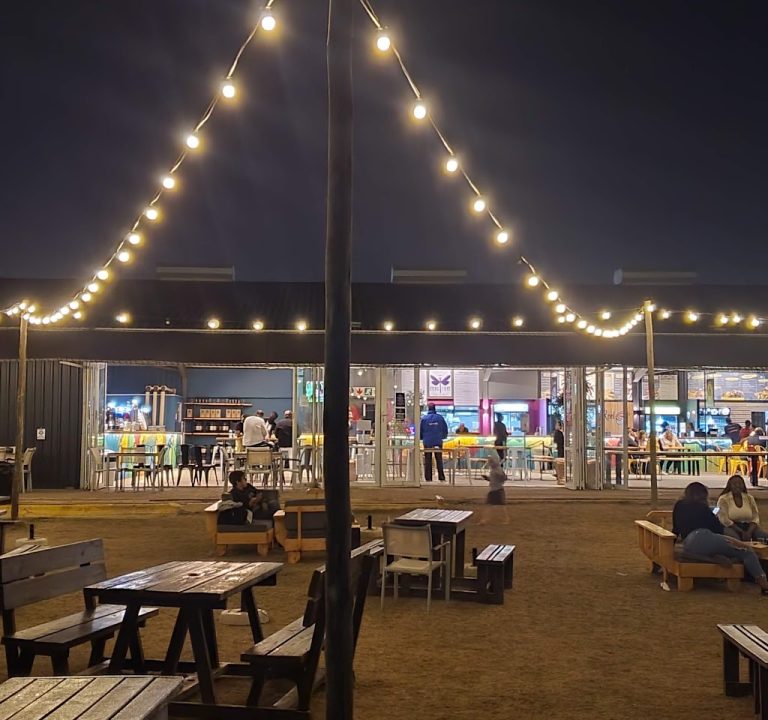
Practical considerations for visitors include access and safety. Durban’s coastal climate encourages outdoor seating, often with shaded terraces and sea breezes, though some days may require indoor arrangements during rain or evenings when temperatures drop. Accessibility varies by venue, so reasonable arrangements should be confirmed where needed. Residents and travellers alike should be mindful of age restrictions and identification requirements, as the legal drinking age in South Africa is 18. Payment methods commonly include tap-to-pay technology alongside traditional cash or card transactions.
Transport options are typically straightforward in Durban. Many bars are within reach of taxi or ride-hailing services, with some locations offering on-site parking or nearby public parking. When visiting popular areas, it is prudent to plan for peak times and possible queueing during weekends and holidays. Overall, Durban bars provide a relaxed, convivial environment where guests can enjoy a mix of drinks, light bites and occasional entertainment, with service designed to be efficient and friendly while accommodating the subtleties of coastal life in KwaZulu-Natal.