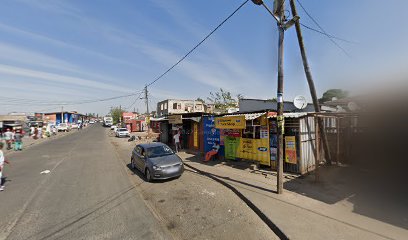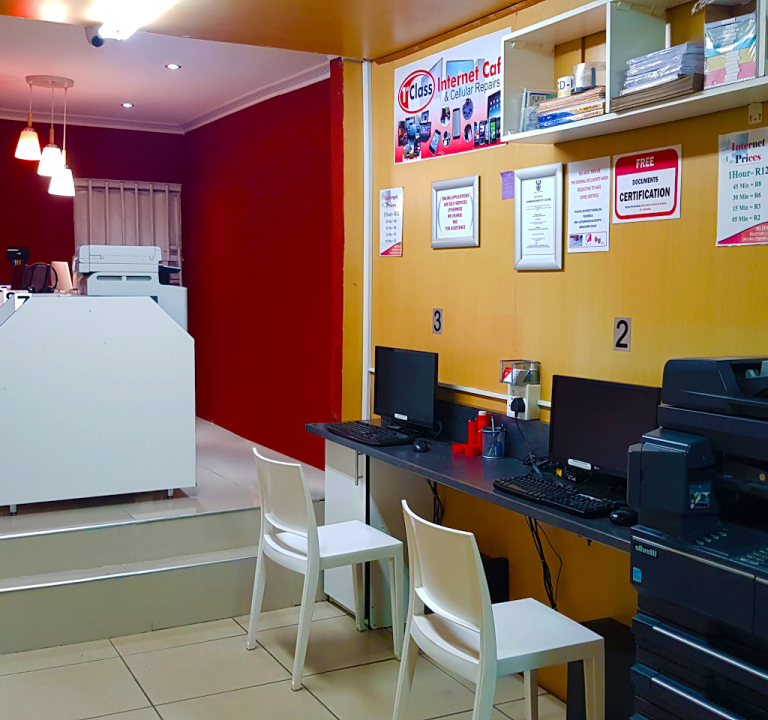
Little People ECD is a Kindergarten establishment in Durban, KwaZulu-Natal, South Africa
Durban
KwaZulu-Natal
4066
South Africa
Sorry, no records were found. Please adjust your search criteria and try again.
Sorry, unable to load the Maps API.
Kindergarten Services in Durban, KwaZulu-Natal
Durban, located on the eastern coast of South Africa, offers a diverse array of kindergarten options designed to support early learning in a warm, community-focused environment. Providers in KwaZulu-Natal typically cater to children in the pre‑school age range, commonly from around three to five years old, with programmes structured to ease the transition into formal schooling. The atmosphere in Durban’s kindergartens often emphasises gentle social development, curiosity, and foundational literacy and numeracy through play-based methods.
A typical day in a Durban kindergarten combines structured activities with ample free play, indoor and outdoor learning spaces, and routines that help children build confidence and independence. Morning sessions may begin with a calm settling period followed by guided activities such as storytelling, crafts, and numeracy games. Language development is usually supported through songs, conversations, and shared reading, with English commonly used as the main medium of instruction, while some centres incorporate local languages or cultural themes to reflect community diversity.
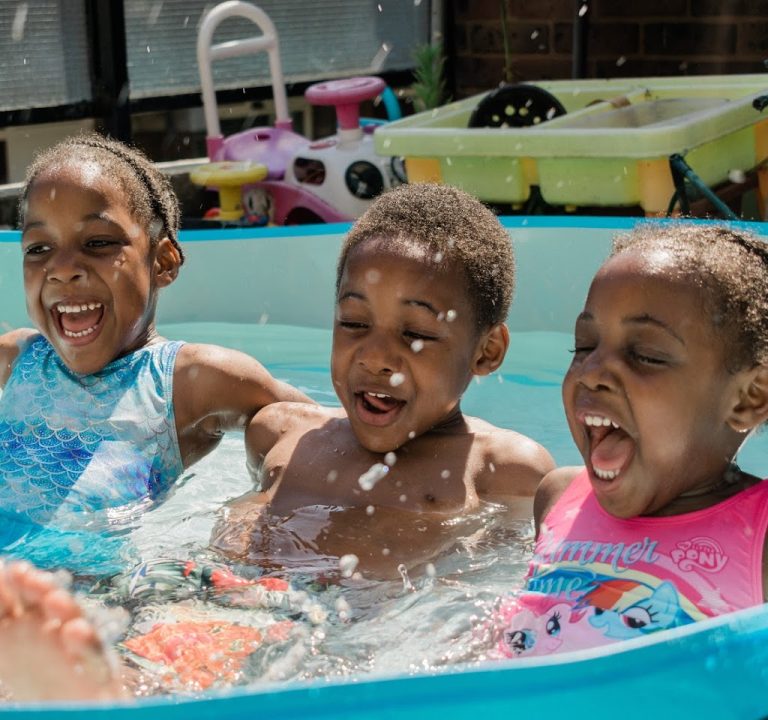
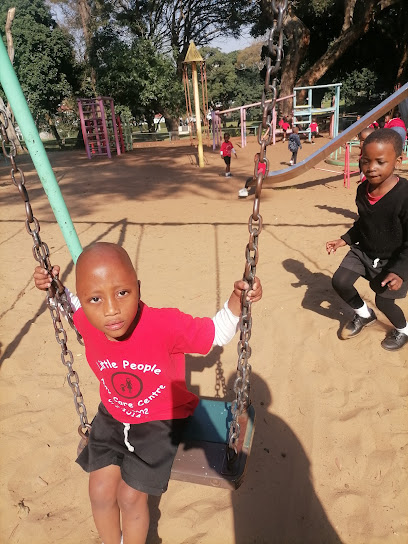
Outdoor play is a cornerstone of many programmes, capitalising on Durban’s warmer climate. Well-designed play areas encourage gross motor skills, creative movement, and risk-aware play, with shaded spaces and adequate supervision. Outdoor time often includes sandbox play, ball games, nature exploration, and supervised activities that link to daily themes. Practical considerations such as sun protection, hydration, and safe, age-appropriate equipment are integral to daily routines.
Nutrition and rest routines form another core element of kindergarten life. Many early-years settings provide light meals or snacks aligned with healthy eating guidance, while others may require parents to supply suitable food. Quiet rest periods or nap times are commonly incorporated for younger attendees, supported by comfortable spaces and familiar routines to foster a sense of security.
Parental involvement and communication are valued in Durban’s kindergartens. Regular updates about a child’s progress may be shared through informal conversations, progress books, or scheduled parent-teacher meetings. Centres often encourage supporters to participate in classroom activities or special events, reinforcing a sense of community around the child’s learning journey. Clear policies regarding fees, attendance, and holiday periods help families plan effectively.
Safety, safeguarding, and staff qualifications are priorities across Durban’s early-years settings. Health and safety protocols typically cover secure premises, checked play equipment, and appropriate adult-to-child ratios. Many kindergartens maintain strict door access controls, incident reporting, and allergy awareness to protect children. While requirements vary by centre, staff are commonly trained in first aid and basic child safeguarding practices.
Transport arrangements and drop-off procedures are practical considerations for Durban families. Some centres offer organised transport or partner with local providers, while others operate on a drop-off model with clear timing windows. It is common for parents to grace the entrance with a quick handover routine, during which a carer notes any overnight concerns, meals, and medications in accordance with individual child needs.
Interested families can expect a focus on gentle transitions to more formal schooling, with emphasis on social skills, curiosity, and developing routines that sustain learning beyond the classroom. When selecting a Durban kindergarten, it is helpful to visit the premises, observe interactions between staff and children, review the daily timetable, and ask about measures for safety, nutrition, and inclusive practice. In this coastal city, reputable settings often blend culturally rich experiences with evidence-informed early-learning approaches, creating inviting environments where young learners can thrive.