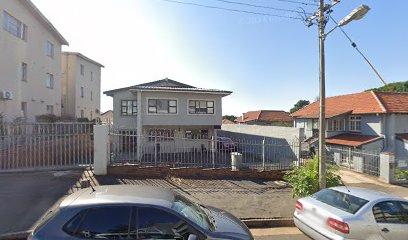
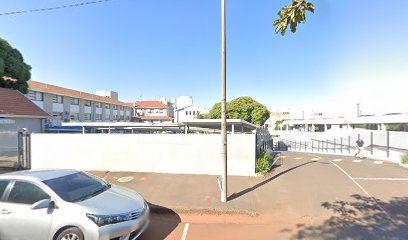
Ribumed Glenwood Surgical Day Hospital is a Specialized hospital establishment in Berea, Kwa-Zulu Natal, South Africa
Ribumed Glenwood Day Hospital – a specialised same-day facility in Berea, Kwa-Zulu Natal
Ribumed Glenwood Day Hospital is presented as a state-of-the-art, same-day healthcare facility situated in Glenwood, Berea, within Kwa-Zulu Natal. Operating under the JMH Group umbrella, the site positions itself as delivering the right procedure at the right facility, executed by the right specialists with the right care. This framing emphasises a patient-centred approach where efficiency, dignity and quality are core to the patient experience. The hospital’s communications highlight a collective ethos of care, advanced technology and professional service, underscored by values that include engagement, responsiveness, credibility and accountability.
Key strengths of Ribumed Glenwood lie in its breadth of capability and commitment to streamlined, outpatient-focused treatment. The site operates as part of a network of Ribumed facilities, with a clear emphasis on “same day” healthcare, utilising modern technology and a highly qualified staff to facilitate swift, appropriate treatment pathways. While detailed service lists are not exhaustively itemised on the provided pages, the facility markets itself as offering comprehensive specialist care through a sizeable cadre of doctors and specialists, supporting a multi-disciplinary suite of procedures and consultations.
In terms of scope, Ribumed identifies itself as a facility with a large professional pool and a substantial number of specialties. The broader Ribumed profile notes two hospitals in the group, with 25 listed specialities and more than 150 doctors and specialists in total, indicating a broad capability set and a substantial support network for referrals and complex cases. This suggests that the Glenwood site functions within a larger, integrated system designed to match patients with appropriate specialists and facilities for same-day treatment where appropriate.
Operationally, the Ribumed model emphasises delivering the right procedure at the right facility with the right care. This implies a streamlined process for patient evaluation, planning and execution, with attention to appropriate facility assignment and clinical governance. The emphasis on dignity, restored health and courteous, efficient care reflects a patient experience focused on respectful treatment, clear communication and timely service delivery. The organisation communicates a commitment to integrity, social responsiveness and professional development for staff, which informs the patient-facing culture and service delivery ethos.
Typical interactions for prospective patients likely involve initial assessments, referrals or requests routed through Ribumed’s medical network to determine suitability for a same-day procedure or outpatient service. Given the facility’s positioning within Joint Medical Holdings, there is an expectation of coordinated care pathways, access to advanced technology, and a robust support framework for both elective and urgent procedures. The hospital also signals responsiveness and credibility as core attributes, suggesting an emphasis on patient safety, quality assurance and transparent clinical practices.
Practical tips for customers planning to engage with Ribumed Glenwood Day Hospital include the following considerations:
- Check which specialists are affiliated with the Glenwood site and whether the required expertise is available on the day of planned treatment.
- Confirm the anticipated process for the procedure, including pre-assessment, admission timing and post-procedure recovery arrangements, to align expectations with the same-day model.
- Inquire about the facility’s design for the procedure, such as available theatres, recovery spaces and access to on-site diagnostics, to understand how the workflow supports rapid turnaround.
- Obtain an overview of costs, reimbursement options and any designated provider arrangements that may apply through the hospital’s network.
- Prepare practical documentation in advance, including identification, medical history and current medications, to facilitate efficient patient processing.
- Consider travel and parking logistics for Glenwood and plan for traffic patterns in the Berea area to minimise any visit delays.
For those seeking information about availability or specific contact details, Ribumed provides straightforward channels for consultation and appointment arrangements. While detailed hours are not publicly documented in the provided materials, the Glenwood site serves the Berea community and surrounding areas in Kwa-Zulu Natal, offering access to a broad spectrum of specialist care within a single, streamlined outpatient environment. The hospital’s emphasis on “right care” and patient dignity supports a service model aimed at efficient, high-quality outpatient experiences within the broader Ribumed network.
Overall, Ribumed Glenwood Day Hospital appears to position itself as a well-equipped, patient-centric specialised hospital within a larger group, focused on delivering precise procedures within a same-day framework. The combination of extensive specialist staffing, cross-site collaboration and a commitment to courteous, efficient careframes a visit to Ribumed as a structured, quality-driven outpatient experience for residents of Berea and the surrounding areas.
Berea
Kwa-Zulu Natal
4083
South Africa


Sorry, no records were found. Please adjust your search criteria and try again.
Sorry, unable to load the Maps API.
Specialised hospital services in Berea, Kwa-Zulu Natal
Specialised hospital services in Berea, Kwa-Zulu Natal, occupy a vital niche within the regional health landscape, offering targeted medical care for complex or ongoing health needs. These facilities typically provide a range of high-dependency services beyond the capabilities of general hospitals, with an emphasis on multidisciplinary care, skilled clinicians, and access to diagnostic and therapeutic resources that support accurate diagnosis, treatment, and rehabilitation. The Berea corridor is known for its proximity to both urban healthcare networks and community health services, allowing for coordinated pathways of care when specialist input is required.
A common feature of specialised hospitals in this area is the availability of dedicated units and clinics focused on specific medical domains. These may include cardiology, neurology, orthopaedics, oncology, paediatrics, and high-level surgical services, among others. The aim is to deliver evidence-based, patient-centred care through teams that bring together surgeons, physicians, nurses, therapists, and allied health professionals. In many cases, facilities are equipped with advanced imaging, pathology, and laboratory support to enable precise diagnosis and monitoring throughout a patient’s treatment journey.
Patients can expect a careful assessment process designed to determine the most appropriate care plan. This typically begins with a detailed medical history, focused examinations, and targeted tests. Where appropriate, multidisciplinary case discussions inform decision-making, ensuring that treatment choices align with the patient’s clinical needs and personal preferences. Clear communication with patients and, where applicable, their families, is integral to handling complex conditions, setting realistic expectations, and outlining potential risks and alternatives.
Specialised hospitals in Berea often prioritise rapid access to procedures that may be time-sensitive, such as interventional therapies, surgical interventions, radiology-guided treatments, and post-operative rehabilitation. The care pathway commonly includes pre-operative assessment, the operation or intervention itself, and a structured post-operative or recovery phase. Rehabilitation services, physical therapy, occupational therapy, and dietary support are frequently integrated to optimise functional outcomes and reduce the likelihood of readmission.
Between institutional care and community health, these facilities strive to balance intensive in-patient provision with safe transition plans for discharge. Coordination with primary care practitioners and regional support services is essential to maintain continuity of care after a patient leaves hospital. In Berea, this typically means access to follow-up appointments, essential investigations, and management of chronic conditions within a framework that supports both affordability and accessibility for residents and visitors requiring specialist attention.
Practical considerations for patients and carers include understanding the typical length of stay associated with specific specialists, the availability of family-friendly spaces, and the process for arranging post-discharge support. In many cases, admissions are subject to an evaluation of medical urgency, with scheduling and bed utilisation prioritised according to clinical need. Insurance coverage, waiting times for non-emergency specialist consultations, and out-of-pocket costs are factors that patients may need to navigate, and reception or patient services teams commonly provide guidance on what to bring, what to expect during admission, and how to access ancillary services such as social work and financial counselling.
For residents and visitors seeking specialised hospital services in Berea, Kwa-Zulu Natal, the emphasis rests on experienced clinical teams, robust diagnostic capabilities, and a cohesive care pathway that supports complex health concerns. Facilities are typically designed to ensure patient safety, dignity, and comfort, while enabling efficient collaboration across medical disciplines. As with any healthcare decision, it is prudent to verify the specific services offered, the departments available, and the guidance provided by hospital staff to match individual healthcare needs with appropriate specialist expertise.