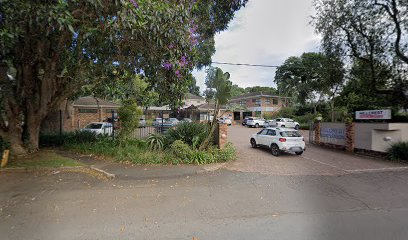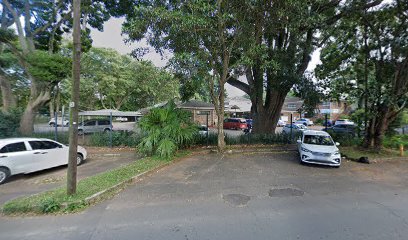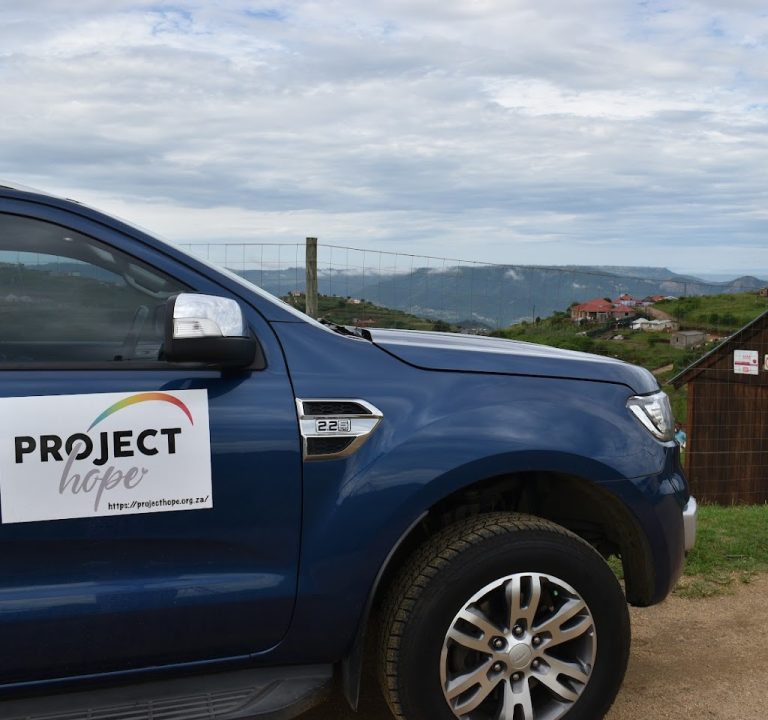
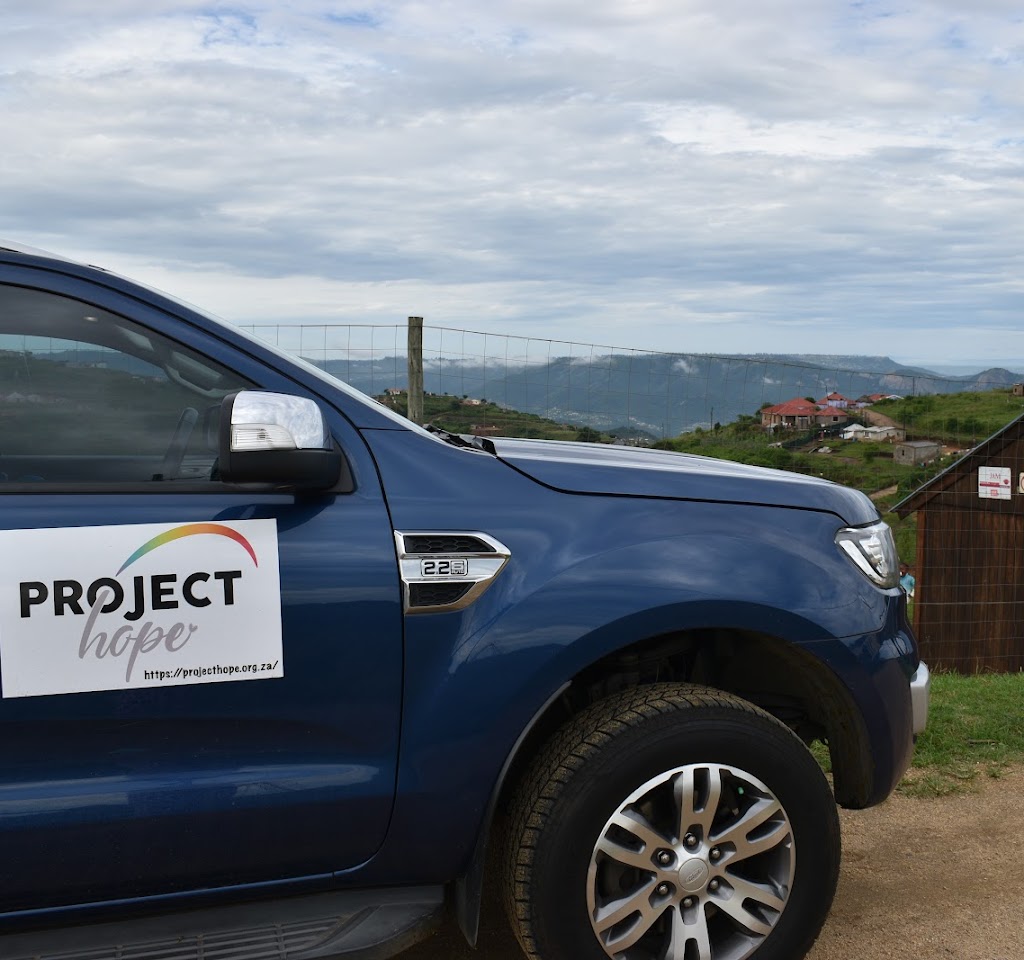
Project Hope SA is a Non-profit organization establishment in Durban, KwaZulu-Natal, South Africa
Project Hope SA — summary of services and customer experience in Durban, KwaZulu-Natal
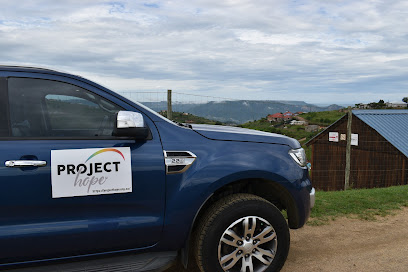
Project Hope SA is a non-profit organisation founded in 2020 and based in the Valley of a Thousand Hills, near Durban. Its core mission centres on empowering children under five and breaking cycles of poverty by supporting vulnerable children and their families. The organisation presents a unified approach that blends Early Childhood Development (ECD) support with wraparound services, aiming to strengthen preschools, enhance learning, and improve family well-being.
Primary services offered by Project Hope SA can be grouped into three interrelated areas: strengthening ECD centres, providing wraparound family programmes, and offering immersive volunteer experiences. The emphasis across these activities is on sustainable community change, delivered through collaboration with local educators, caregivers, and partner organisations. The overarching aim is to ensure that young children receive a solid start in education and care, while families receive practical, contextually appropriate support.
Strengthening Early Childhood Development (ECD) centres stands as a foundational service. Project Hope SA works with rural and urban preschools to support the delivery of quality early learning. The organisation’s approach focuses on enhancing literacy, numeracy, and social-emotional development for children aged 1–5, in partnership with educators and caregivers. This work is complemented by a broader set of wraparound services designed to extend impact beyond the classroom. Nutrition, emotional support, and family-focused programmes are provided to create a holistic support system around each child, acknowledging that a child’s success is connected to the well-being of the household and community.
Wraparound services are a distinctive feature of Project Hope SA’s offer. These services extend into nutrition programmes, caregiver empowerment, and family support initiatives. By addressing food security, household dynamics, and caregiver capacities, the organisation aims to stabilise the environment in which young children learn and grow. The practical consequence is more reliable access to meals, better learning readiness, and stronger community resilience, all of which contribute to improved outcomes for preschool-aged children.
Volunteer opportunities form another important facet of the organisation’s work. The Volunteer Abroad Programme invites a small cohort—typically 1–8 volunteers—to participate in two-week placements in Durban and Cape Town. This programme is described as immersive and hands-on, enabling volunteers to assist with classroom activities, play-based learning, and community projects, while also exposing them to South Africa’s cultural, social, and environmental landscape. Participants engage in hands-on teaching support, assist with practical community projects such as garden creation or classroom improvements, and gain insights into non-profit operations addressing education, health, and family strengthening.
For individuals seeking to support Project Hope SA without on-the-ground volunteering, sponsorship remains a prominent option. The organisation highlights multiple pathways to sponsor a child in KwaZulu-Natal, including monthly funding, once-off donations, or supporting a shopping social enterprise. Sponsorship is positioned as a means to nurture early education and provide ongoing support for preschoolers and their communities.
The customer experience, as reflected in available content, is described through the lens of community impact and personal narratives. Visitors and supporters can expect a programme that emphasises collaboration with local partners, experiential learning for volunteers, and concrete outcomes in early learning environments and family services. The organisation emphasises a respectful, community-driven approach, where volunteers and supporters witness the realities of South African communities and contribute to long-term change through love, innovation, and collaboration.
- Main services: strengthening ECD centres, wraparound family services, nutrition and caregiver support, and capacity-building for educators.
- Typical activities: classroom support for 1–5-year-olds, play-based learning assistance, practical community projects (e.g., garden creation, playground updates, classroom painting), and participation in community events.
- Volunteer experience: two-week placements in Durban and Cape Town, inclusive learning, and reflection on social realities and local initiatives.
- How requests work: sponsorship options and volunteer placements are structured programmes with defined timelines and inclusions, subject to availability and partner organisation collaborations.
Practical tips for prospective supporters and volunteers include planning ahead for sponsorship or volunteer placements, familiarising with the two-week volunteer schedule, and acknowledging that certain costs (such as flights, personal expenses, or additional travel) are not included in programme fees. Prospective volunteers should be prepared for an intensive, hands-on experience that combines classroom activities with community projects and cultural learning.
Location and area served are centred on the Valley of a Thousand Hills, with outreach extending to Durban and Cape Town for volunteer placements. The organisation emphasises community-driven, sustainable, and measurable impact, aiming to provide a durable foundation for children’s futures through education, health, and family support initiatives. Visitors and supporters can expect an authentic engagement with the realities of local communities and a model that seeks to connect education with broader social determinants of well-being.
Durban
KwaZulu-Natal
Hillcrest, Durban
South Africa
Sorry, no records were found. Please adjust your search criteria and try again.
Sorry, unable to load the Maps API.
Non-profit Organisation Services in Durban, KwaZulu-Natal
In Durban, KwaZulu-Natal, non-profit organisations (NPOs) provide a broad spectrum of services geared towards community development, welfare, education, health, and social justice. These organisations operate across urban and peri-urban areas, supporting vulnerable populations such as children, the elderly, disabled individuals, and marginalised communities. The service landscape reflects local needs, regulatory frameworks, and partnerships with government bodies, funders, and civil society.
Core offerings commonly include social programmes that deliver direct support, advocacy for vulnerable groups, capacity-building for community organisations, and initiatives aimed at improving access to basic services. Practical examples include after-school tutoring and mentoring projects, meal programmes and food security initiatives, health literacy campaigns, vaccination drives, and outreach services for those facing poverty or refuge from domestic violence. Many NPOs also facilitate skills development, small business training, and income-generation activities to promote longer-term resilience within households and communities.
Support services frequently extend beyond the immediate provision of aid. Organisations often prioritise governance and compliance, ensuring transparency in how funds are managed and how programmes are evaluated. Capacity-building efforts may involve staff training, procurement support, monitoring and evaluation practices, and the development of partnerships with other local organisations, schools, clinics, and faith communities. This holistic approach aims to maximise impact while maintaining ethical standards and accountability to supporters and beneficiaries alike.
In terms of service delivery, Durban-based NPOs may operate from a combination of fixed premises, community centres, mobile units, and outreach vehicles. The mode of engagement is typically client-centred, with referrals and intake processes designed to assess needs, set goals, and monitor progress. Where possible, services are tailored to cultural and language diversity, with consideration given to local contexts such as urban regeneration projects, informal settlements, and coastal or inland communities. Collaboration with municipal programmes often helps extend reach and align activities with broader regional development plans.
Practical considerations for clients seeking NPO services include eligibility criteria, intake procedures, and the availability of programmes on a given day. Some services may rely on voluntary contributions or in-kind support, while others are funded through grants, donations, or partnerships with government departments. The local regulatory environment in South Africa requires NPOs to register and adhere to reporting obligations, financial auditing standards, and annual submissions to the appropriate authorities. This framework supports transparency but may influence wait times and application processes for new beneficiaries and initiatives.
For residents and organisations engaging with NPOs in Durban, it is useful to understand the typical pathway: identification of community need, design of a programme or service to address that need, mobilisation of resources, implementation with ongoing stakeholder involvement, and measurement of outcomes. Beneficiaries often benefit from a network of support that includes not only direct services but also referrals to healthcare, education, housing assistance, or legal aid where appropriate. Where possible, community participation and feedback loops are encouraged to ensure programmes remain responsive and relevant.
Potential clients and partners are advised to verify the credibility of an NPO through regulatory registrations, annual reports, and public disclosures. Emphasis is commonly placed on practical impact, sustainability of programmes, and the ability to collaborate with other organisations to achieve shared objectives. In Durban, the blend of urban opportunity and rural accessibility shapes the character of non-profit work, inviting a diverse array of initiatives aimed at uplifting communities and fostering lasting social value.
Overall, non-profit organisation services in Durban typically reflect a commitment to accessible support, responsible governance, and meaningful community participation, with programmes designed to address immediate needs while laying foundations for enduring development.