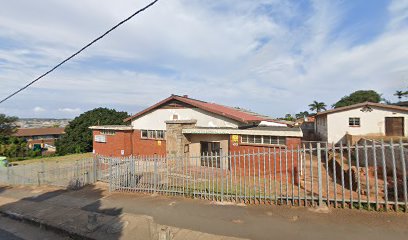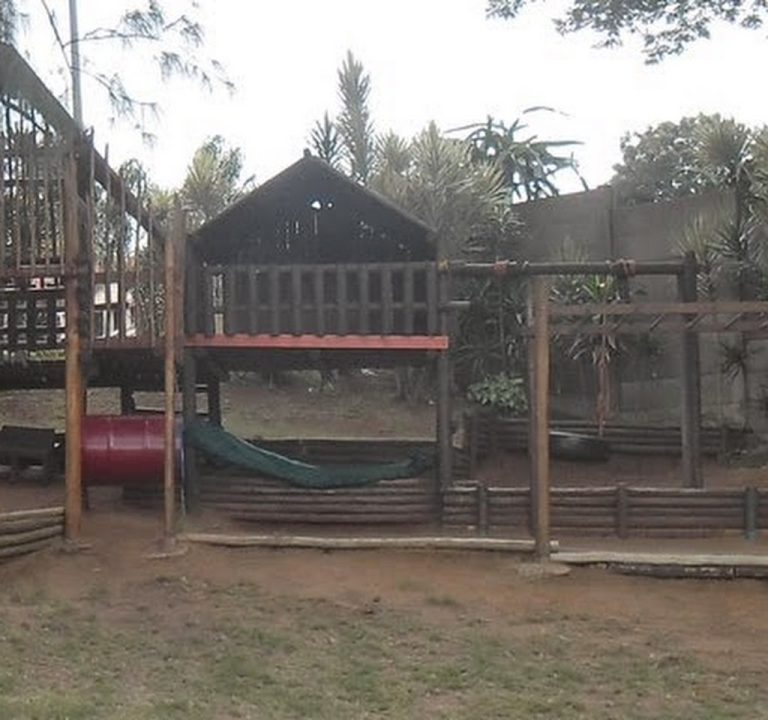
Apple Jacks Pre-School C.C. is a Preschool establishment in Durban, KwaZulu-Natal, South Africa
Durban
KwaZulu-Natal
4004
South Africa
Sorry, no records were found. Please adjust your search criteria and try again.
Sorry, unable to load the Maps API.
Preschool Services in Durban, KwaZulu-Natal: What to Expect
Preschool provision in Durban covers a diverse range of early childhood education experiences designed to support children before entering formal schooling. In KwaZulu-Natal, centres commonly emphasise a balanced blend of play-based learning, social development, and foundational skills. The approach tends to reflect local community needs, cultural richness, and the broader South African education landscape, with centres ranging from small neighbourhood settings to larger, purpose-built facilities.
Programs typically align with the age range from approximately two to four years old, though some settings accept three-year-olds and gradually prepare children for Grade R or reception classes. Learning is generally structured around daily routines that provide predictability and security for young learners. A standard day may include free play, guided activities, story time, small-group sessions, snacks, outdoor play, and quiet rest or reflection periods. The emphasis is on developing key competencies such as language and communication, early numeracy, physical coordination, and emotional literacy, alongside social skills like sharing, turn-taking, and collaborative play.
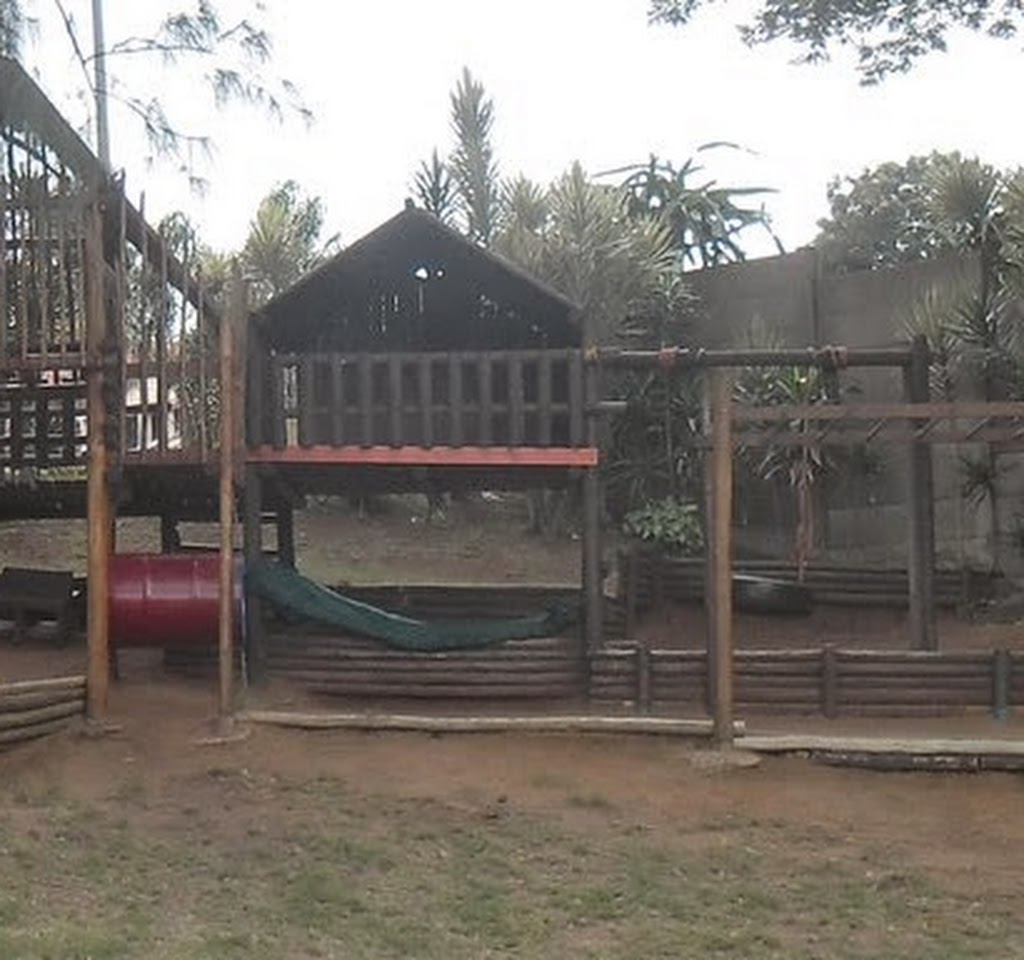
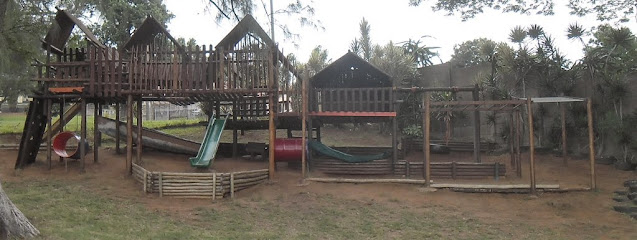
In Durban, preschool services often feature a mix of indoor and outdoor spaces that cater to the city’s climate, including secure play areas, shaded outdoor zones, and age-appropriate equipment. Practical considerations frequently involve careful supervision, safety measures, and child-friendly facilities. Nutrition is commonly addressed through supervised snack sessions, with attention to healthy options and allergy awareness. Some centres may accommodate children with special educational needs by providing inclusive practices or liaising with relevant support services, although availability varies by setting.
Curtains, mats, and soft furnishings are typically used to create inviting corners for reading, dramatic play, and imaginative activities. Early literacy and pre-reading experiences are nurtured through songs, rhymes, picture books, and guided storytelling. Numeracy development often emerges through hands-on activities such as counting games, sorting with objects, and simple measurement concepts during cooking-like activities or outdoor play. Creative arts, music, movement, and pretend play are commonly integrated to foster creativity and self-expression, while outdoor physical activities support gross motor development.
Family engagement is generally valued, with centres offering regular communication about a child’s progress and milestones. This may involve informal updates, observation notes, or parent-teacher meetings, depending on the setting. Durban preschool environments often recognise the importance of building a sense of community through daily routines and family participation, whether through seasonal concerts, shared stories, or participation in simple classroom projects.
- Structured daily schedules with age-appropriate activities
- Play-based learning that supports social, emotional, and cognitive development
- Dedicated spaces for literacy, numeracy, and imaginative play
- Outdoor play and physical development opportunities
- Nutritious snacks and careful food handling practices
- Healthy communication channels with families
When considering a preschool in Durban, practical considerations include location and convenient access, safety of the premises, wraparound care options where available, and the ratio of staff to children. Parents may also assess the ethos of the setting, whether emphasising play, structure, or a balanced approach, and consider how well the programme aligns with the child’s needs and family routines. Environmental suitability, including ventilation and adequate shade in outdoor spaces, can contribute to a comfortable and engaging learning environment in KwaZulu-Natal’s climate. In general, prospective families are advised to visit several options, observe interactions, and inquire about daily routines, communication methods, and any specific policies related to safety, health, and inclusion.