Durban Plant and Roller Hire is a Plant and machinery hire establishment in Durban, KwaZulu-Natal, South Africa
Durban Plant and Roller Hire – Plant and Machinery Hire in Durban, KwaZulu-Natal
Durban Plant and Roller Hire provides an extensive fleet of plant and machinery designed to support a wide range of construction and civil projects. The business operates as an all‑in‑one plant hire store, offering access to a diverse roster of heavy equipment suitable for earthworks, trenching, demolition, drainage and site clearance. The inventory emphasises versatility and on‑site practicality, enabling contractors to source multiple machine types from a single provider.
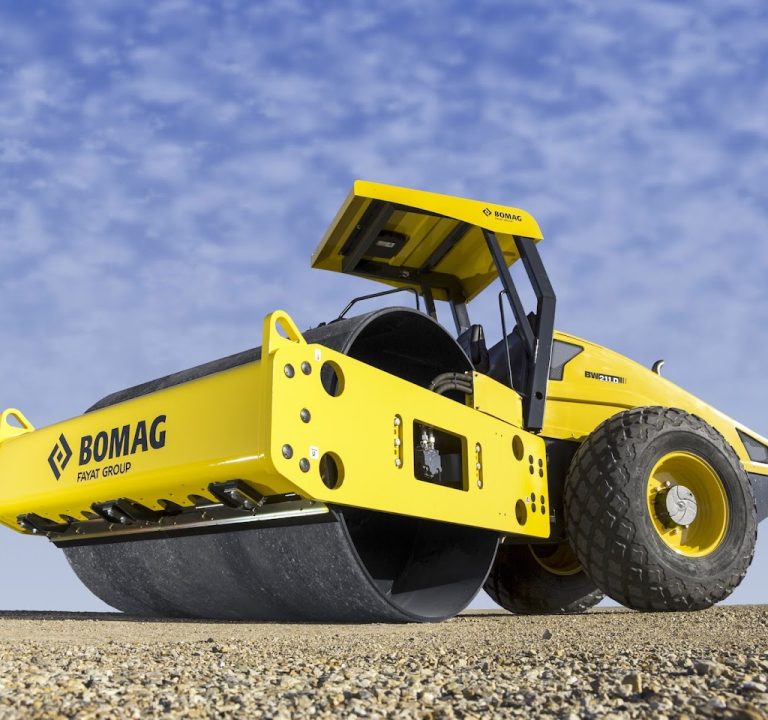
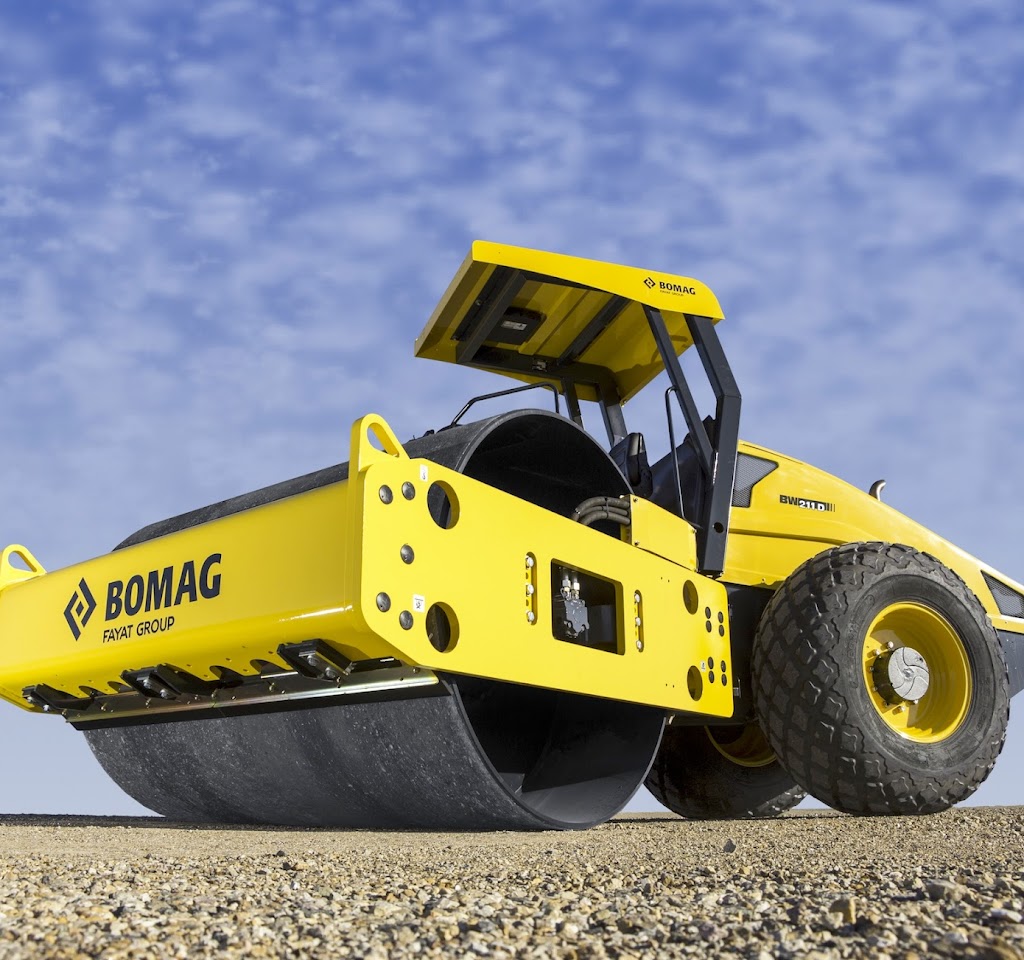
Key equipment on offer includes excavators of various sizes, both with and without attachments such as peckers/hammers and augers. Smaller machines, such as mini excavators, are highlighted for confined spaces, while larger units are positioned for bulk earthworks and road projects. The fleet also features backhoe and front-end loader machines, telescopic handlers, rollers and dump trucks, as well as a range of lifting equipment including forklifts, cherry pickers, scissor lifts and boom lifts. Additional construction tools and equipment are listed, ensuring a broad capability for typical site needs.
Specialist attachments and configurations are a visible strength of the service. Skidsteers (Bobcats) are promoted for their agility in tight or awkward spaces, with hammer/pecker attachments for breaking rock and concrete and sweeping and trencher options for site maintenance and drainage work. The attachment ecosystem extends to augers for pole and foundation drilling, and various loader configurations that enhance versatility on small‑to‑large scale sites. This breadth supports multiple phases of a project, from initial site clearance to detailed earthworks and finish work.
In addition to the hire fleet, the provider emphasises in‑house transport capabilities. The accompanying fleet of lowbed, rollback and crane trucks facilitates delivery and repositioning of machines between sites, which can help reduce sourcing delays and streamline project scheduling. This integration of equipment and transport is framed as a practical solution for contractors seeking reliable access to machinery and quick site mobilisations.
Typical job types that are well aligned with the available equipment include site clearance and earthworks, trenching for drainage and underground utility works, and general construction tasks requiring excavation, loading and material handling. The portfolio of rollers, loaders and tipper trucks supports road maintenance, paving preparation, landscaping, and material transport on site. The availability of demolition attachments and high‑reach platforms adds capability for controlled demolition and working at height where required.
Requests and service requests are generally handled through standard plant hire workflows—contacting the provider to discuss machine needs, duration of hire, and delivery or collection preferences. The fleet’s range of sizes and configurations is described in ways that underline suitability for both large civil contracts and smaller, site‑specific tasks. While explicit pricing and certifications are not detailed in the available content, the emphasis remains on practical equipment matching and reliable on‑site support.
Practical tips for customers planning plant hire include considering the following:
- Assess space constraints on site to select the most agile machines (such as skidsteers) versus larger units for bulk earthworks.
- Match attachments to the task (peckers/hammers for breaking rock and concrete, augers for foundation or planting work, sweepers for keeping surfaces clear).
- Factor in transport needs; utilise the provider’s in‑house fleet to minimise downtime and coordinate delivery windows with site activity plans.
- Plan for operator requirements if training is not included with the hire; confirm whether an operator is required or if unfurnished machines are supplied for client‑supplied staff.
- Consider future site needs and whether multiple machine types can be bundled within a single hire arrangement to streamline logistics.
Location and service area notes indicate a Durban‑based context within KwaZulu‑Natal. The core offering is aimed at construction professionals, landscapers and civil contractors who need dependable access to a broad spectrum of plant and equipment and accompanying transport services. The service model prioritises versatility, on‑site practicality and efficient mobilisation, supporting projects from initial site clearance through to final earthworks and finishing tasks.
Hours of operation and best times to visit are not specified in the available content. Prospective users are advised to verify current opening hours and scheduling details directly with the provider to align with site plans and delivery timelines.
Durban
KwaZulu-Natal
3610
South Africa
Sorry, no records were found. Please adjust your search criteria and try again.
Sorry, unable to load the Maps API.
Plant and machinery hire services in Durban, KwaZulu-Natal
Plant and machinery hire in Durban, KwaZulu-Natal, forms a practical backbone for construction, industrial maintenance, and earthworks projects across the coastal province. Local providers typically offer a broad spectrum of equipment designed to support establishment, progression, and completion of works in urban, suburban, and rural settings. Customers commonly seek flexible arrangements that align with project timelines, site access, and budget constraints, all while maintaining safety and compliance on site.
In Durban and the surrounding region, the range of equipment generally available includes earthmoving machines, material handling equipment, access platforms, and power generation units. Earthmoving fleets often feature excavators, loaders, bulldozers, rollers, and skid-steer loaders, suitable for trenching, site clearance, grading, and material movement. Material handling tends to cover forklift variants and pallet riders, with some providers offering telehandlers capable of reaching elevated positions on limited-access sites. For height access or indoor works, vertical access platforms and mobile elevating work platforms are commonly available in various reach and load capacities. Generators and site utilities, such as compressors and lighting towers, are frequently stocked to maintain operations during power outages or in remote locations. Ancillary equipment like compaction gear, concrete mixers, and small pumps may be supplied to support foundational or drainage tasks.
The way the hire process works in Durban often involves a straightforward request followed by a period of equipment use, subject to the specific terms offered by the provider. Dry hire typically implies the equipment is delivered ready for use, with the customer responsible for operation, maintenance, and compliance with on-site safety rules. Plant hire with an operator, where offered, assigns a trained operator to run the machine, which can be advantageous for projects with skilled labour needs or stringent regulatory requirements. A common expectation is a clear agreement on delivery and collection windows, surge capacity for peak periods, and procedures for reporting faults or arranging repairs. Signage and a basic daily check are usually performed to ensure equipment is in suitable condition before and after use.
Practical considerations play a central role in Durban’s plant hire arrangements. Site access, road restrictions, and parking availability influence delivery options and the feasibility of bringing large machines onto a site. Environmental factors, such as dust, rainfall, and humidity, can affect equipment performance and maintenance scheduling. It is advisable to conduct a risk assessment and establish a method statement in line with local health and safety requirements before operations commence. Insurance cover, either through the hire company or a separate policy, helps mitigate liability for damage or injury, while ensuring tools and machinery are adequately protected during transit and on site. Operators and supervisors should ensure compliance with South African regulations governing workplace safety, crane and lifting operations, and machinery use.
For customers, clear communication about project scope, equipment specification, and uptime expectations is essential. A reliable supplier will typically help balance machine capacity with project phases, offering guidance on appropriate hire durations, downtime management, and compatibility with existing onsite processes. While prices can vary based on machine type, duration, and availability, the emphasis remains on safe, compliant, and efficient utilisation of plant and machinery to support Durban’s diverse construction and industrial activities.