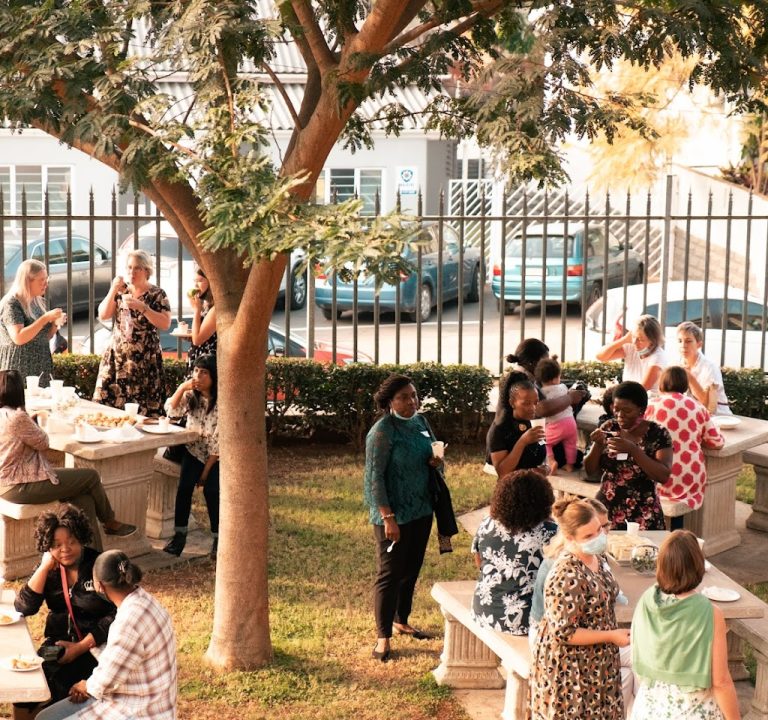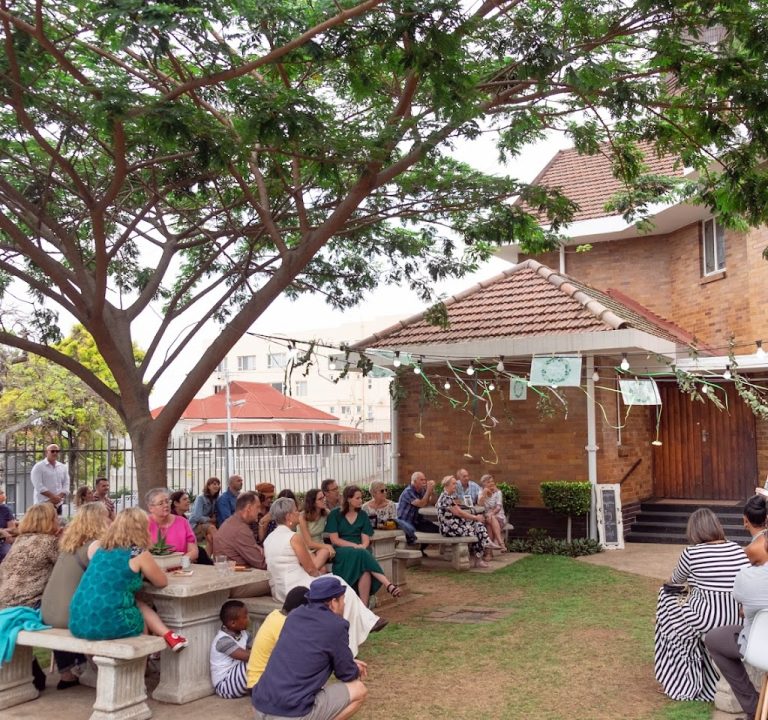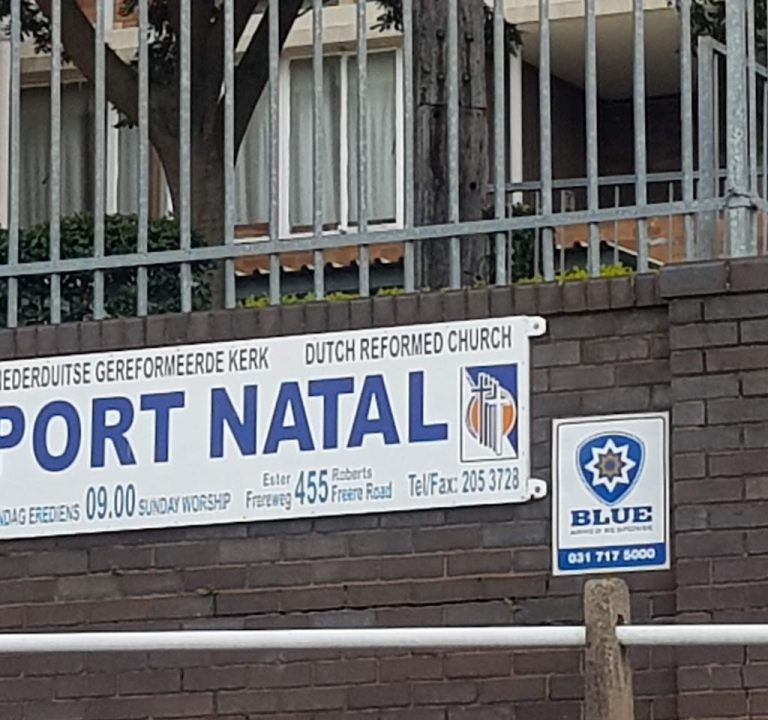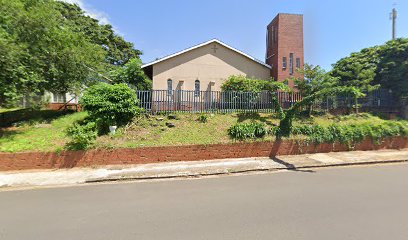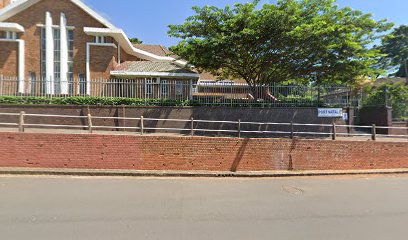
Port Natal Dutch Reformed Church is a Church establishment in Durban, KwaZulu-Natal, South Africa
Durban
KwaZulu-Natal
4001
South Africa
Sorry, no records were found. Please adjust your search criteria and try again.
Sorry, unable to load the Maps API.
Church services in Durban, KwaZulu-Natal: what to expect
Durban, a coastal city in KwaZulu-Natal, hosts a diverse array of church communities that reflect South Africa’s rich cultural tapestry. In many Durban settings, congregations gather in historic churches, modern sanctuaries, or community centres that offer a welcoming space for worship, reflection and social connection. Visitors will notice a blend of languages, musical traditions and architectural styles, mirroring the city’s blend of urban vitality and maritime heritage.
What typically happens on Sundays varies by denomination, but several common elements recur across Durban’s churches. A service often begins with an indicated time of quiet or a hymn, followed by a formal liturgy, reading of scriptural passages, and a sermon or homily delivered by a priest, pastor, or minister. Music frequently plays a central role, with choirs, instrumental ensembles, or contemporary worship teams leading congregational singing in English, Zulu, Afrikaans, or a mixture of languages. Participation may include responsive readings, prayers, and the recitation of creeds. In many settings, a period of congregational singing culminates in a blessing or dismissal.
Elements specific to Durban’s churches may include bilingual or multilingual services to accommodate diverse congregations, traditional South African hymns, and occasional ceremonial practices such as baptism, confirmation, or the blessing of marriages. Communion or the Eucharist may be offered weekly or at particular services, depending on the denomination’s custom. Practical matters such as collections or offerings are typically part of the service or connected to a separate acts of giving. After worship, many churches host social or informational sessions, facilitating fellowship and mutual support among parishioners.
In addition to Sunday worship, Durban churches frequently provide midweek gatherings. These can include prayer meetings, Bible study groups, youth programmes, and outreach initiatives aimed at assisting local communities. Some churches operate a catechism programme for new members or families preparing for rites of passage such as baptism or confirmation. Community service is often emphasised, with voluntary work, food parcels, or support for vulnerable families as core aspects of church life.
Practical considerations for visitors include arriving a little ahead of the start time to locate seating and notice any posted notices about service language, parking, or accessibility. Dress codes range from smart casual to traditional attire, depending on the denomination and the community. Mobility access is increasingly prioritised in Durban’s churches, with ramps or step-free access in many venues, but arrangements may vary, and those with particular access needs are advised to check in advance. Language may influence the experience, so ready accessibility to a translation or explanation from clergy or stewards can be helpful for non-native speakers or first-time attendees.
For those planning to attend, it is wise to allow for spare time around public transport schedules or peak traffic conditions on Sundays. Some venues offer prayer rooms or quiet spaces for reflection before or after services. While Durban’s church landscape does not rely on a singular programme, it remains anchored in communal worship, pastoral care, and outreach to neighbours. Visitors can expect a respectful, welcoming environment where faith, culture and service intersect, supporting individuals and families through periods of celebration, mourning and daily life.