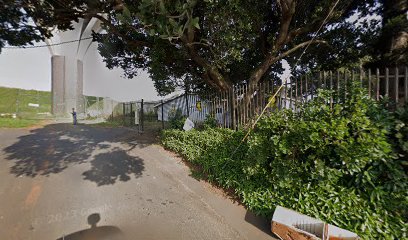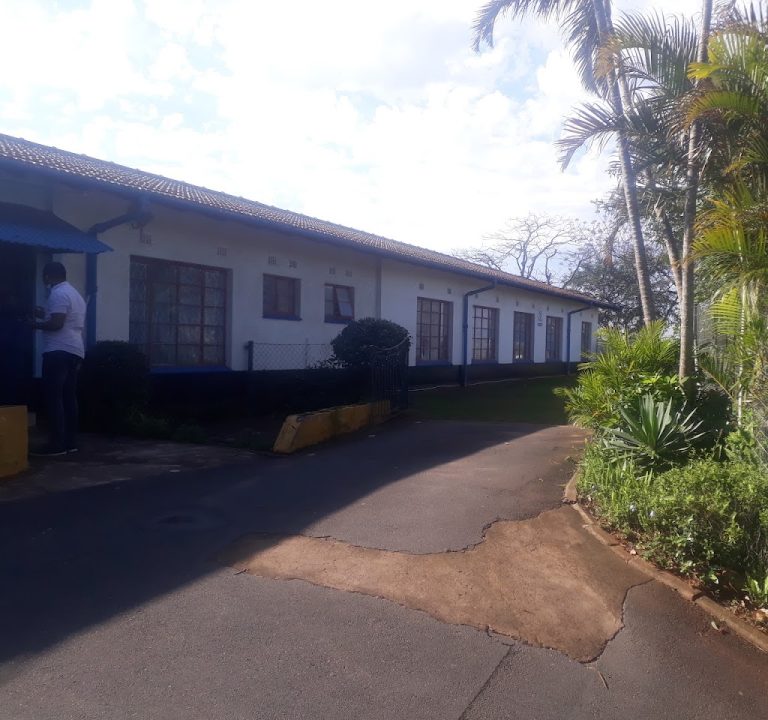
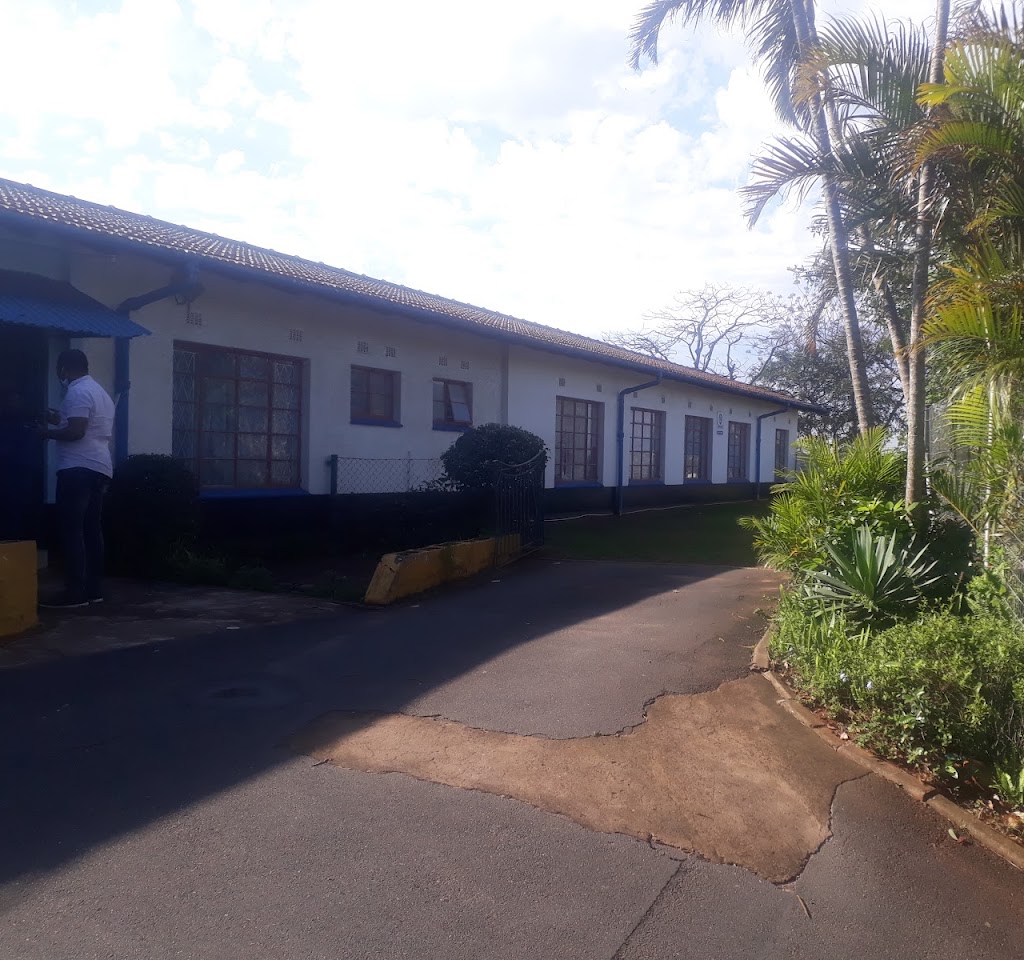
Woodlands pre-primary school is a School establishment in Durban, KwaZulu-Natal, South Africa
Durban
KwaZulu-Natal
4004
South Africa
Sorry, no records were found. Please adjust your search criteria and try again.
Sorry, unable to load the Maps API.
School Services in Durban, KwaZulu-Natal
Durban, situated on the east coast of South Africa, offers a diverse array of school services that cater to families seeking education for children across different age groups. In this category, the focus is on institutions and programmes that support core schooling, alongside supplementary services designed to ease daily routines and enhance learning outcomes. From primary and secondary education to after-school programmes and specialist support, the provision reflects the region’s cultural richness and multilingual environment.
Typical services include provision for foundational schooling, with primary schools offering curricula aimed at building literacy, numeracy, science and social studies. Secondary schools extend more specialised pathways, including preparatory avenues for higher education and vocational interests. A notable feature in Durban is the availability of multi-lingual or language-supported environments, where English often serves as the medium of instruction while isiZulu and other languages are offered as additional language options or within language-focused programmes.
External and wraparound services commonly accompany the core school day. After-school care and holiday programmes provide supervision and enrichment activities, helping working families balance responsibilities. Transport arrangements are frequently an important consideration; many schools organise or support school buses and safe commuting options, with routes that connect residential areas to campus locations. Where meals are provided, school meals programmes aim to offer balanced options that align with nutritional guidelines and the local context.
Extracurricular offerings form a substantial part of the Durban school landscape. Activities typically include sports such as rugby, cricket, netball and athletics, alongside arts, music, drama and community service projects. Participation in these activities is encouraged as a complement to classroom learning, helping to develop teamwork, discipline and creative skills. Some schools also provide clubs focused on science, technology, engineering and mathematics (STEM), language practice, or environmental stewardship, reflecting a growing emphasis on holistic education.
Additional support services address learners with diverse needs. These may cover resource rooms, learning support specialists, and programmes aligned to inclusive education practices. Where applicable, assistance for learners with specific educational requirements or additional language needs is offered to promote equitable access to learning. Guidance and counselling services can support emotional well-being, study planning, and career exploration, with regular progress reviews between families and educators.
Practical considerations for families include understanding the admissions process, age-appropriate placement, and the academic calendar. Durbin-area schools typically publish term dates, assessment periods, and reporting cycles, with communications channels geared towards parent engagement. Uniforms, stationeries, and payment schedules may be part of the logistical framework, and schools often provide information on external examinations and progression criteria without guaranteeing particular outcomes.
How school services typically operate is straightforward yet varies by institution. The school year generally follows a structured timetable, combining classroom instruction with scheduled breaks. Parents engage through formal reporting, parent-teacher meetings, and digital or printed communications about attendance, behaviour, and academic progress. Enrolment usually involves a verification of eligibility, submission of documents, and a placement assessment where appropriate, followed by ongoing assessments to monitor development and readiness for upcoming grade levels.
In summary, Durban’s school services emphasise robust core education supported by a spectrum of supplementary provisions. Prospective families should consider transport, meals, after-school options, language support, and the availability of enrichment programmes when selecting a school, alongside practicalities such as admissions timelines and calendar obligations. The aim across the city is to provide accessible, well-rounded schooling that respects Durban’s unique regional characteristics while delivering standards aligned with broader South African educational expectations.