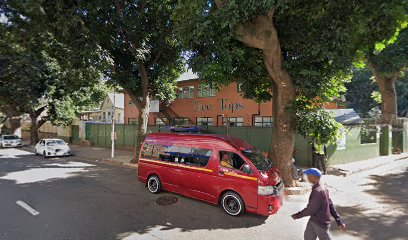
Tree Tops School is a Primary school establishment in Durban, KwaZulu-Natal, South Africa
Tree Tops School: an independent overview of services and customer experience in Durban
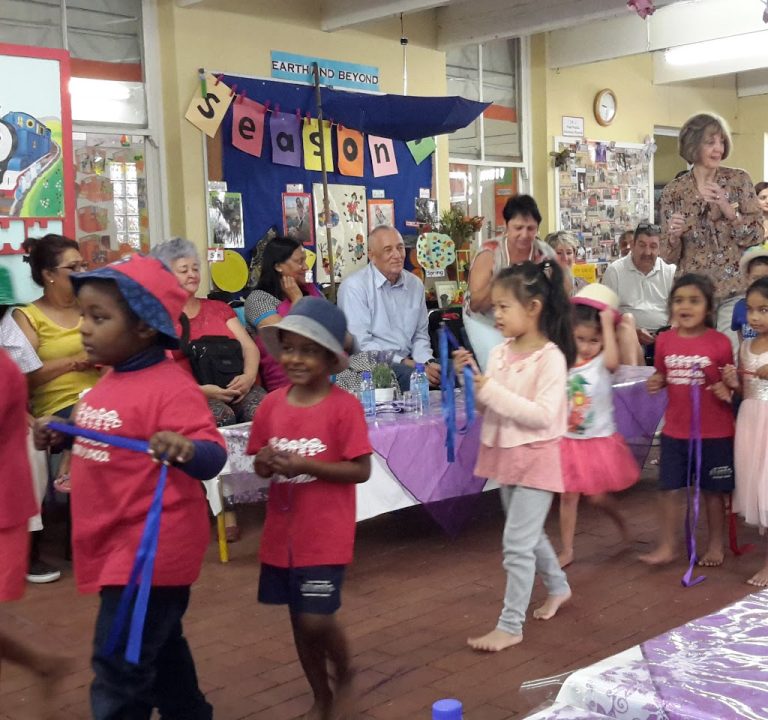
Tree Tops School operates as a co-educational eco-school serving Durban families from Bellevue, Silverton and Windmill campuses. Established in 1932, the school emphasises a nurturing, community-oriented environment described by visitors as a homely space where children are encouraged to learn through hands-on activity and exploration. The school presents itself as a long-standing option for families seeking a gentle transition into formal schooling with an emphasis on values and personal development alongside academic foundations.
Curriculum and age ranges are organised into two main phases. The Pre-Primary & Grade R programme sits at the Bellevue and Silverton campuses and uses an “integrated day approach.” Children are exposed to both smaller age-based groups and larger, open-plan settings during the morning, aiming to balance guided learning with exploratory play. This arrangement supports early-years development by providing varied contexts in which youngsters can engage with new concepts, socialise with peers, and build routines in a structured but flexible environment.
In the Junior Primary phase, Tree Tops extends its offering to cover Foundation Phase education from Grade R to Grade 3. The model is designed to maintain continuity for younger learners as they progress, with the aim of consolidating foundational literacy and numeracy skills while continuing to prioritise a supportive atmosphere. The school positions itself as prioritising confidence-building, kindness and a sense of belonging, rather than a highly competitive academic culture, according to testimonials from families.
Beyond core academics, Tree Tops offers a range of enrichment and extra‑curricular experiences that appear central to the visitor experience. The curriculum is complemented by environmental education through the school’s Environmental Programme and Eco-Schools initiative, echoing the motto “As the bough is bent – so grows the tree.” This focus suggests a commitment to sustainable thinking, curiosity about nature and practical projects that connect classroom learning with real-world environmental stewardship.
For a broader range of learning experiences, the school highlights activities in Design & Technology (D&T), Art and Speech & Drama. Reviews from families describe engaging lessons that extend beyond the basics, with extra events such as Art Evenings and fundraising activities that involve the wider school community. The emphasis on kindness, compassion and a warm, supportive atmosphere is repeatedly mentioned by parents, with several testimonials noting the staff’s approachable, caring manner and the sense that the school becomes a steady anchor during challenging times for families.
School life at Tree Tops also includes aftercare at the Junior Primary level, which is designed to accommodate working families and provide a safe, supervised continuation of the school day. This feature is often an important consideration for parents managing busy schedules, and the presence of aftercare is cited favourably in discussions of the student experience.
Location and access information indicate three Durban campuses: Bellevue (37 Bellevue Road, Musgrave), Silverton (74 Silverton Road, Musgrave) and Windmill (63 Windmill Road, Musgrave). Contact details are provided for enquiries and private tours, underscoring an emphasis on personalised visits to explore the school’s environment, ethos and facilities before making a decision. The prospect of a walkabout or in-person visit is actively encouraged, with one campus specifically offering a private tour within the admission process.
From a customer experience perspective, testimonials frame Tree Tops as a place where children are welcomed warmly and where staff are described as “phenomenal” and supportive, helping children adjust to schooling with confidence. Parents highlight the school’s ability to make each child feel valued and to foster strong relationships between school and family life. The sentiment that Tree Tops provides a steady, well‑rounded foundation—rather than a sole focus on academic competition—appears to resonate with families seeking a balanced early education in a community-centric setting.
Practical tips for prospective parents and guardians include scheduling a walkabout or private tour to observe classrooms and talk with staff about the integrated day approach and enrichment options. It is advisable to inquire about aftercare arrangements if these align with family needs and to request insights into the Environmental Programme and Eco-School activities to understand how sustainability lessons are embedded across the year. Visiting during morning session times may provide a sense of routine and daily life at the school, while discussing fees, transport, and transition processes with campus contacts can help clarify practical considerations.
- Main services offered: Pre-Primary & Grade R (integrated day approach), Junior Primary (Grade R to Grade 3), aftercare, environmental programme and Eco-Schools, enrichment in D&T, Art, Speech & Drama, and community events.
- Typical locations served: Bellevue, Silverton and Windmill campuses in Durban, KwaZulu-Natal.
- How visits work: enquiries and private tours are available to arrange in-person visits and obtain detailed information about intake, programme structure and campus facilities.
Overall, Tree Tops School presents itself as a long‑standing, community‑minded option for families seeking a nurturing, well‑rounded early education with a notable emphasis on environmental awareness, creativity and personal growth within a supportive, non‑competitive setting.
Durban
KwaZulu-Natal
4001
South Africa
Sorry, no records were found. Please adjust your search criteria and try again.
Sorry, unable to load the Maps API.
Primary school services in Durban, KwaZulu-Natal
Durban, a coastal city in KwaZulu-Natal, offers a diverse range of primary education options designed to support young learners through foundational academic development and personal growth. Typical primary schools in the area provide a structured daily routine that blends core subjects with enrichment activities, ensuring a balanced approach to learning in a South African context.
Across Durban, the core academic offerings usually encompass literacy and numeracy as the central pillars of the curriculum, complemented by science, social studies, arts and crafts, and physical education. Many schools emphasise bilingual or multilingual instruction, often incorporating English as the medium of instruction with additional languages such as isiZulu or isiXhosa, reflecting the region’s linguistic landscape. Class sizes vary, with smaller groups frequently prioritised in early years to foster confidence and individual attention, and larger cohorts managed through established classroom routines and support structures.
Practical services typically include well-defined timetables that guide daily activities: registration, instructional periods, break times, meals, and specialised sessions. Schools commonly offer teacher-led instruction in core subjects, supervised learning support for learners who require additional help, and targeted interventions for learners seeking to advance beyond grade-level expectations. A focus on foundational literacy and numeracy is often reinforced through reading clubs, mathematics workshops, and library access to encourage independent learning outside formal lessons.
Beyond the classroom, Durban primary schools frequently provide a range of enrichment and support services. Extracurricular offerings may include sports programmes, music and drama, visual arts, and science clubs, designed to cultivate talents and promote teamwork. Cultural activities and heritage programmes may be integrated to reflect local traditions and community values. Some schools coordinate or facilitate participation in community events, school exhibitions, and inter-school competitions that broaden learners’ experiences beyond the school gates.
Transport and meals are practical considerations that families commonly encounter. Many primary schools arrange or coordinate safe, supervised transport options within reasonable radii of the school, using licensed providers and established safety procedures. School meals or nutritious snack provision is often available, with menus reflecting local dietary requirements and health guidelines. Where meals are not provided, schools typically offer approved areas for learners to bring a preparation, with designated times and facilities to maintain hygiene and safety.
Safeguarding and wellbeing are integral components of primary school services in Durban. Policies and routines are designed to support learner safety, emotional resilience, and positive behaviour within the school community. Guidance and counselling services may be available, along with programmes addressing bullying prevention, health education, and personal development. Inclusive education practices are increasingly emphasised to support learners with diverse needs, including learners who require additional academic or language assistance.
Partnerships with families are encouraged to maximise learner outcomes. Schools often publish clear information about expectations, assessment practices, and progress reporting, along with opportunities for parent involvement through volunteering, workshops, or communications. Practical considerations for new entrants include establishing familiar routines, understanding school rules, and navigating transport and attendance policies.
Overall, primary school services in Durban aim to provide a comprehensive and supportive environment where children can develop core academic skills, explore interests, and build social confidence. The approach commonly balances structured instruction with opportunities for creative and physical activity, set within a climate that respects local culture, safety, and the practical realities of daily life in KwaZulu-Natal.