We Friends Pre-Primary Schools is a Preschool establishment in Durban, KwaZulu-Natal, South Africa
We Friends Pre-Primary Schools: A nurturing, faith-minded preschool in Durban, KwaZulu-Natal
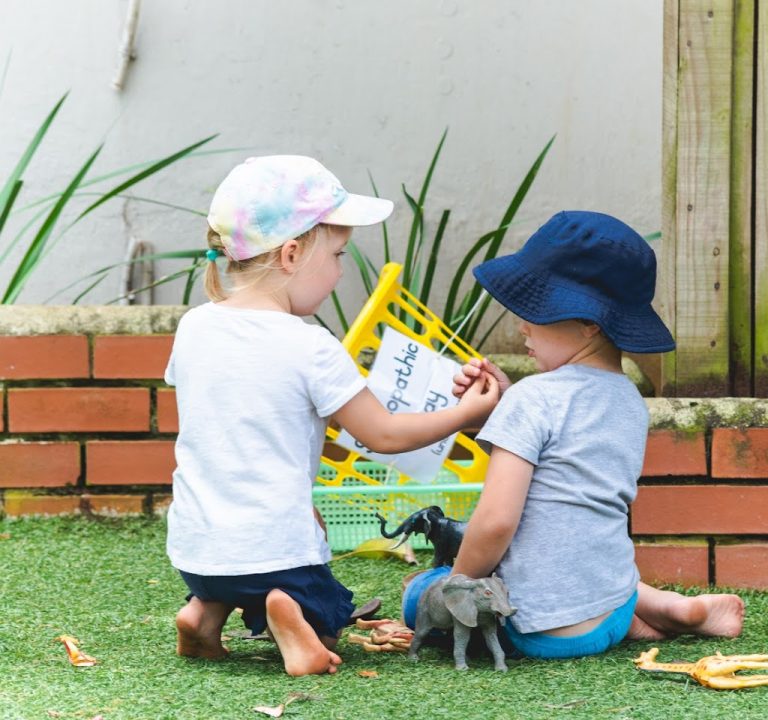
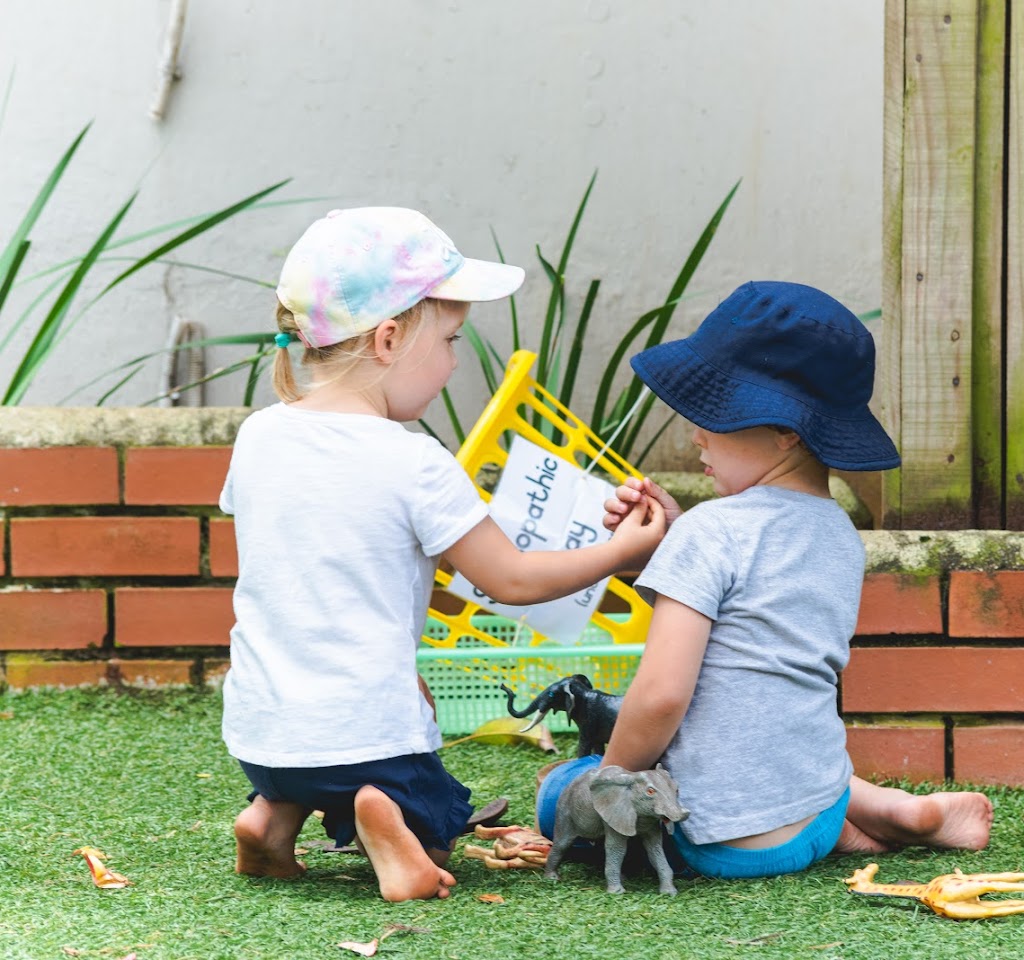
We Friends Pre-Primary Schools presents itself as a home-away-from-home for young children, emphasising a family-like atmosphere where learners are welcomed into a loving community. Located in Durban, KwaZulu-Natal, the school foregrounds a holistic approach to early childhood development. The guiding ethos centres on children feeling secure and valued, with an emphasis on spiritual, physical, intellectual, emotional, and social growth woven into daily activities. This framework suggests a programme designed to support well-rounded development while introducing youngsters to foundational ideas about community, care, and belonging.
According to the information shared by the school, the environment is positioned as a place where “your child should feel at home in his/her school, part of a loving community of friends.” This perspective aligns with a narrative that prioritises relational learning—where everyday interactions with peers and educators contribute to confidence, courage, and social competence. A visitor-focused tone in the materials emphasises the importance of personal connections, inviting families to engage with the school to discuss their child’s journey through preschool years.
One customer voice highlighted the impact of the school’s approach on a child’s development. A testimonial quoted from a parent expresses appreciation for the school’s role in nurturing courage and confidence, crediting the environment and principles as meaningful factors in the child’s growth. Although individual experiences can vary, such statements signal a positive perception of how the school supports young learners within its community framework. The emphasis on “Godly principles” in the testimonial also signals that faith-informed or values-based education is an integral element of the school’s philosophy for some families.
In practical terms, the school encourages prospective families to initiate contact to “meet us and talk more about your child’s school journey,” inviting inquiries and tours as a route to understanding the programme. The call to “Book Now” for a tour indicates that the admission process is designed to be personable and informative, with opportunities to observe classrooms, meet educators, and ask questions about routines, safety, and daily activities. While specific curriculum details are not exhaustively listed online, the emphasis on a safe, nurturing environment where children learn through play suggests a play-based or experiential learning approach that accompanies structured activities and guided experiences.
The service offering is framed around essential preschool functions: creating a welcoming environment for early learning, supporting holistic development, and fostering early social-emotional growth. The school’s messaging points to ongoing communication with families as a cornerstone of the experience, highlighting openness to conversations about a child’s progress and school journey. The presence of a dedicated page for information updates hints at an active site that likely provides further details about programmes, events, and day-to-day life at the school, though these specifics are not fully itemised in the available content.
For families considering a visit, practical considerations emerge from the available materials. Prospective parents are advised to arrange a tour to gain direct insight into the classroom environment, meet staff, and discuss logistical questions in person. Touring can also offer a sense of the school’s daily routine, the caregiver-to-child dynamics, and the level of interaction and supervision that supports young learners. The location in Durban situates the school within the KwaZulu-Natal community, with potential connections to local transport options, neighbourhood safety considerations, and proximity to home or work for carers.
- Main services offered: early childhood education with an emphasis on holistic development, a family-like community environment, and a values-based or faith-informed framework for some families.
- Typical operations: opportunities to book tours to learn about the programme, meet staff, and discuss a child’s learning journey.
- How requests usually work: initial contact to arrange a meeting or tour, followed by a personalised discussion about the child’s needs and the school’s approach.
Practical tips for customers include planning a visit to observe classrooms and daily routines, asking about safety measures, class sizes, and the daily timetable, and discussing how the school supports emotional and social development alongside early literacy and numeracy foundations. While specific hours or service details are not listed in the available materials, the invitation to book tours suggests that prospective families should coordinate timings directly with the school to find the most suitable slot for a visit. The Durban-based community aspect and the emphasis on a welcoming, supportive environment are highlighted as hallmark features of the We Friends Pre-Primary Schools experience.
Durban
KwaZulu-Natal
4001
South Africa
Sorry, no records were found. Please adjust your search criteria and try again.
Sorry, unable to load the Maps API.
Preschool Services in Durban, KwaZulu-Natal
In Durban, KwaZulu-Natal, preschool services form a cornerstone of early childhood education, offering structured environments where young children explore, play and begin formal learning. These settings typically welcome children from around two to five years old and provide a transition between home life and more formal schooling. The emphasis is on nurturing curiosity, social skills and foundational literacy and numeracy through developmentally appropriate activities.
Preschools in Durban commonly provide a blend of play-based learning and guided instruction. Daily routines are designed to balance active, social play with quiet, focused activities, supporting both physical development and cognitive growth. Activities may include storytelling and pre-reading exercises, number games, colour and shape recognition, simple science explorations, arts and crafts, music and movement, and outdoor play. Language development is often a notable feature, with opportunities for interactions in multiple languages where appropriate to the local community.
Practical services and facilities typically prioritise safety, cleanliness and child-centred space. Classrooms tend to be designed to encourage exploration, with accessible shelves, child-sized furniture and clearly defined activity areas. Outdoor spaces, where available, provide opportunities for physical activity and imaginative play, while shading, secure fencing and supervision help to ensure a safe environment. Nutritional considerations commonly include light meals or snacks suitable for young children, with potential adaptations for dietary requirements or cultural preferences.
Staffing in Durban preschools usually comprises teachers or early childhood practitioners supported by assistants. The focus is on warm, attentive supervision and guidance that supports both social-emotional development and early academic skills. Staff may hold qualifications in early childhood education or related fields, with ongoing professional development encouraged to maintain current best practices in child safety, instructional approaches and inclusive education.
Enrolment processes are typically straightforward, with families required to complete a registration form, provide proof of identity for the child and address any health or allergy information. Some preschools offer trial visits or introductory sessions to help children settle, while others may implement phased start dates to ease the transition. Communication with families is emphasised, often through regular progress notes, informal chats or parent evenings that outline a child’s development and learning milestones.
When considering a Durban preschool, several practical factors come into play. Location and accessibility are important, given Durban’s urban and coastal settings; proximity to work or home can influence drop-off routines. Hours of operation vary, with some centres offering full-day care and others providing half-day programmes. Term schedules commonly align with local school calendars, including holiday periods, teacher planning days and occasional closures for maintenance or staff development.
Parents may wish to inquire about daily routines, including start and finish times, nap/rest arrangements, outdoor play, meal provisions and any transport options or restrictions. It is also useful to understand safety practices, including safeguarding policies, child sign-in procedures, health protocols and incident reporting. While specific curricula or programmes are not universally standardised, many Durban preschools emphasise a holistic approach that supports language development, social interaction, creativity and early numeracy through guided play and structured activities.
Overall, Durban’s preschool landscape offers diverse environments that cater to a range of family needs and preferences. Prospective families are encouraged to visit several settings, observe interactions, ask about staff qualifications and check for clear policies on safety, nutrition and inclusive education. A well-chosen preschool can provide a supportive platform for young children to build confidence, forge friendships and prepare for the move into more formal schooling.