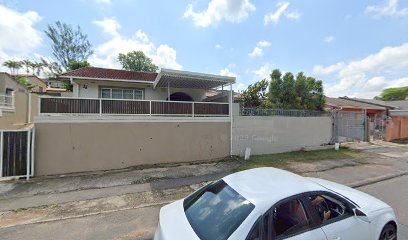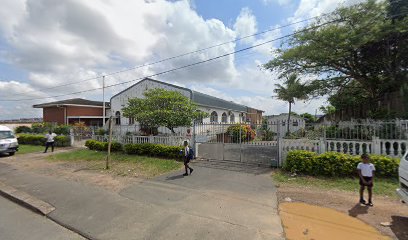
Arutpa khazhagam of South Africa is a Community center establishment in Durban, KwaZulu-Natal, South Africa
Durban
KwaZulu-Natal
4092
South Africa
Sorry, no records were found. Please adjust your search criteria and try again.
Sorry, unable to load the Maps API.
Community centre services in Durban, KwaZulu-Natal
Community centres in Durban, KwaZulu-Natal act as accessible hubs for local residents, offering a range of activities and support aimed at strengthening neighbourhood ties and improving well‑being. They often operate from multi‑purpose venues such as townships, neighbourhoods, and district hubs, providing a familiar space where people can access information, learn new skills, and participate in communal programmes. The centres are typically managed with public support, partnerships with non‑profit organisations, and increasingly collaborative arrangements with local authorities to ensure services align with community needs.
A foundational aspect of these centres is their ability to provide safe, inclusive spaces for families and individuals. Regularly scheduled programmes may include after‑school supervision for children, holiday programmes, and activities designed to promote physical health, literacy, and creative expression. Facilities can encompass meeting rooms, kitchens, libraries or reading corners, computer stations, and outdoor play areas. While the exact amenities vary by centre, the overarching aim remains to offer practical, everyday solutions that support residents in their daily lives.
Educational and skills development opportunities constitute a core focus. Residents might find workshops on practical trades, basic numeracy and literacy support, language courses, and digital literacy sessions that help service users navigate modern life and access employment opportunities. Vocational guidance and information sessions are often available, sometimes in collaboration with local training providers, churches, or non‑governmental organisations. For many families, these programmes represent a gateway to further learning, credentials, or employment prospects without needing to travel to distant facilities.
Health and well‑being services frequently feature in the spectrum of offerings. This can include health education on topics such as nutrition, maternal and child health, HIV and sexually transmitted infections awareness, and mental health awareness campaigns. Some centres host periodic clinics, health screenings, or partnerships with local health workers to deliver outreach activities in a non‑clinical, community‑embedded setting. The emphasis is on approachable, non‑intrusive access to information and support, with referrals routed to appropriate medical facilities when warranted.
Recreational and social programmes are designed to foster community cohesion and social capital. Activities may cover sport and fitness sessions, cultural programmes, music and dance clubs, craft workshops, and neighbourhood events that celebrate local traditions. These programmes not only provide enjoyment but also create opportunities for networking, volunteering, and peer learning. In Durban’s diverse communities, events often reflect local languages, histories, and cultural practices, contributing to a sense of belonging and mutual respect.
Practical considerations influence how individuals and families engage with community centre services. Centres frequently operate with flexible hours aimed at accommodating working families, school schedules, and religious observances. Accessibility is a recurring priority, with considerations given to transportation options, parking, and proximity to residential areas. Some venues offer privacy for confidential matters or spaces for small meetings, counselling, or parenting support. Accessibility for people with disabilities, inclusive programming, and multilingual information are commonly emphasised to ensure equitable access.
The way services are delivered tends to be community‑centred and responsive rather than uniform. Centres listen to residents through feedback, programme evaluations, and local partnerships, adjusting offerings to reflect evolving needs. This adaptive approach helps ensure that the services provided remain practical, relevant, and affordable for residents across Durban and the wider KwaZulu‑Natal region, while maintaining a welcoming atmosphere that encourages ongoing community participation.