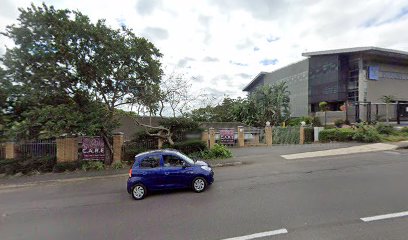
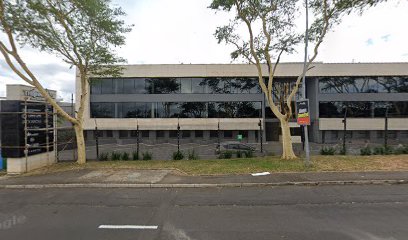
Mobi Claw911 is a Emergency care service establishment in Durban, KwaZulu-Natal, South Africa
Mobi Claw911 – Emergency care services in Durban, KwaZulu-Natal
Mobi Claw911 operates as a dedicated emergency care gateway that coordinates Tactical Rapid Response to a wide range of emergencies across South Africa, including KwaZulu-Natal and Durban. The service centres on a user-friendly MOBI-CLAW 911 App that, with a single touch, triggers a live alert. This alert identifies the caller and provides precise location data, enabling professional operators to dispatch the appropriate first responders quickly and efficiently. The system emphasises rapidity, personal protection, and continuous management of the incident from outset to scene safety.
At the heart of Mobi Claw911 is a 24-hour control room staffed by highly trained personnel. This enables a seamless link to a large national network of first responders, ensuring that medical, criminal, fire and disaster incidents, as well as third‑party witness needs, are handled in a coordinated manner. The approach is portrayed as more than a panic button; it is a comprehensive rapid response framework designed to bring together multiple agencies and providers to deliver timely assistance and to manage the situation until it is safe to conclude the intervention.
The service highlights its broad collaborative reach, including public sector responders and partner private services. A distinctive feature is the direct and immediate access to a broad network of first responders, such as SAPS (South African Police Service), Metro Police, paramedics, fire services, and allied response and vehicle tracking organisations. This integrated model enables Mobi Claw911 to deploy the necessary mix of resources for each emergency, whether medical, criminal, or environmental, and to maintain oversight of the incident throughout the response.
Partnered medical support is a notable aspect of the offering. Mobi Claw911 collaborates with ER24, South Africa’s leading emergency medical response company. This partnership provides access to tactically managed emergency response, including on-scene stabilisation and emergency medical transportation. In addition, it grants access to ER24’s 24-hour medical hotline and telephonic trauma counselling facilities. The combined arrangement is described as capable of covering stabilisation and emergency medical transport even in cases where medical aid is depleted or not available, ensuring life-threatening medical emergencies receive attention when required.
The service promises a multi-layered protection strategy. Solutions feature the Intelligent Multi Distribution Panic Alert System and geo-fenced safety nets, designed to extend protection beyond a single incident and to help ensure coverage tailored to specific zones. The messaging positions Mobi Claw911 as affordable and family-friendly, emphasising that the system is accessible as part of an ongoing safety plan rather than a one-off emergency tool.
Typical job types referenced within the offering include medical emergencies, criminal incidents, fires and disasters, and situations involving third-party witnesses. The emphasis is on rapid recognition, rapid response, and sustained management of the emergency response until the scene is declared safe, with the right responders deployed promptly to the caller’s location.
Operational guidance for customers highlights the practical workflow: users initiate an alert via the MOBI-CLAW 911 app, the system identifies the user’s details and location, and professional operators coordinate the dispatch of appropriate responders. This end-to-end process underscores a commitment to speed, accuracy, and safety in high-pressure situations.
Practical tips for customers include ensuring the app remains installed and enabled, keeping location services active for accurate positioning, and confirming emergency contact details within the profile. Given the 24-hour capability, assistance is available at any time, with the expectation that the platform will stabilise, coordinate resources, and monitor the situation until it is safe to conclude the response.
In terms of geography and service area, the offering is framed as a nationwide capability within South Africa, with explicit reference to Durban and KwaZulu-Natal as part of the served region. The combination of rapid response, cross-agency coordination, and strategic medical partnerships places Mobi Claw911 within the emergency care landscape as a recognisable option for individuals, families, and organisations seeking an integrated safety and response framework.
Durban
KwaZulu-Natal
Westville, Durban
South Africa

Sorry, no records were found. Please adjust your search criteria and try again.
Sorry, unable to load the Maps API.
Emergency care services in Durban, KwaZulu-Natal
Emergency care in Durban, KwaZulu-Natal, operates as a critical component of the regional health system, providing rapid assessment and treatment for acute illness and injury. The landscape includes a mix of public sector units, private emergency medical services, and hospital-based emergency departments. This combination aims to deliver timely care across urban centres, coastal communities, and inland townships, where demand can fluctuate with traffic, weather, and local events.
In Durban, a typical emergency care pathway begins with immediate access to urgent attention, whether through dispatched emergency medical services (EMS), hospital triage areas, or urgent care clinics. When a patient presents at an emergency department, initial reception commonly involves a streamlined triage process designed to prioritise the most life-threatening conditions. Staff trained in acute care assess vital signs, symptoms, and potential complications, with waiting times varying according to clinical severity, available resources, and the time of day.
A core emphasis across Durban’s emergency care services is the rapid stabilisation of patients. This often includes airway management, monitoring of circulation, and the administration of essential therapies for conditions such as chest pain, stroke symptoms, severe injuries, trauma from vehicle incidents, or acute infections. Staff work to determine whether immediate life-saving interventions are required, or if patients can be stabilised before transfer to specialised departments or facilities.
Following initial stabilisation, patients may undergo further evaluation such as focused physical examinations, laboratory tests, imaging studies, or referrals to multidisciplinary teams. In many cases, decision-making involves determining whether a patient can be managed on-site, needs observation in an urgent care or short-stay unit, or requires transfer to a higher level of care. Transfers may be arranged within the hospital system or to external facilities that offer intensive care, surgical services, or specialised imaging.
Public hospitals in Durban often provide 24-hour emergency care across a broad range of conditions, with clinicians trained in trauma, emergency medicine, and related specialties. Private emergency departments and ambulance services also operate, offering additional capacity and alternative access routes for patients with private medical cover or faster pathways. Patients seeking emergency attention should be prepared for potential documentation requests, including identification and, where applicable, medical aid details, though the specific processes vary by facility.
Practical considerations for anyone engaging emergency care in Durban include language and cultural sensitivity, transportation logistics, and the realities of demand-driven wait times. Local clinics and hospital staff may need to prioritise urgent cases, which can influence wait times for less critical presentations. Families and patients should consider whether they will need to accompany the patient, arrange aftercare locally, or coordinate follow-up with a primary care provider after discharge.
For those navigating the system, it is useful to understand the typical expectations: a patient will be assessed promptly, with immediate concerns addressed to prevent deterioration; diagnostic clarity and a care plan are developed as resources permit; and reliable discharge instructions are provided when appropriate, along with guidance on red flags that warrant urgent return. Durban’s emergency care services strive to balance speed with thorough evaluation, ensuring that those in urgent need receive attention while maintaining established safety and quality protocols.
Overall, emergency care in Durban reflects the region’s commitment to accessible, pragmatic acute medical support. The system aims to deliver essential stabilisation, rapid decision-making, and coordinated pathways to definitive or follow-up care, within the realities of a diverse urban and coastal environment.