Just Juniors Academy (Pty) Ltd is a School establishment in Durban, KwaZulu-Natal, South Africa
Just Juniors Academy (Pty) Ltd – School Summary
Just Juniors Academy is a private primary school located in Durban, KwaZulu-Natal, offering education for pupils from Grade 1 through to Grade 7. Established in 2002, the school positions itself as a small-class environment designed to provide a safe and focussed learning setting. The campus emphasises safety and student wellbeing through features such as CCTV surveillance, alongside a staffed environment described as qualified and dedicated to delivering quality education.
Educational approach and accreditation are central to the school’s presentation. The curriculum adheres to the Department of Education syllabus, which is complemented by an orthodox method of teaching. This combination is presented as aiming to balance formal instructional standards with established pedagogical practices, supporting learners across the primary spectrum.
In terms of delivery, the academy highlights a commitment to manageable class sizes, which aligns with parent and guardian expectations for more individual attention and enhanced student engagement. The combination of small classes and qualified teaching staff is framed as a core strength of the institution, contributing to a structured yet supportive learning atmosphere.
The school day and long‑term development extend beyond academics. A broad programme of activities runs alongside compulsory schooling, including:
- Sporting activities integrated within the curriculum (Cricket, Soccer, Volleyball, Netball).
- Computers, Chess and a variety of academic competitions and challenges (Amesa Maths Challenge, Maths 36, Math a Move, HMC Maths Competition).
- Creative and literary activities such as Poetry competitions, Storytelling, Spelling Whizz, and Art Exhibitions.
- Interclass and inter‑school debates, science exhibitions, and a Science Expo.
- Annual events such as Sports Day in the second term, along with concerts and cultural activities.
Extracurricular experiences extend beyond the classroom. The academy organises market days, cultural days, excursions, and visits to science centres, complemented by occasional fun runs or walking events. Community service is encouraged, with learner participation in projects including toy drives and clothing drives, and monthly feeding initiatives at local facilities such as Gandhi Hospital and other underprivileged schools. These programmes reflect a holistic view of education that values social responsibility alongside academic achievement.
Achievements attributed to past cohorts are highlighted, including recognitions in drama and maths competitions, and poetry publications. The school also notes its ongoing registrations with multiple government departments, namely the Department of Education, the Department of Social Welfare, and the Department of Health, which underscores an emphasis on compliance and governance within the private schooling sector.
For prospective families seeking detail on governance and policy, the site references standard documents such as a Consent and Indemnity Form, a Code of Conduct, and a Fee Structure. These items indicate an organised framework for student conduct, parental consent, and financial transparency, albeit without detailed figures or terms on the public-facing pages.
Location and service area are described in broad terms: Just Juniors Academy serves the Durban area within KwaZulu‑Natal, positioning itself as a local private option for primary education. The information available does not specify extended service areas beyond the immediate neighbourhood or region, nor does it publish explicit business hours on the site. Visitors may expect to engage with the school through typical term-time access, aligning with standard private school schedules, though confirmed hours are not stated on the public pages.
Practical tips for potential parents and guardians include verifying the current Fee Structure directly with the school, reviewing the Code of Conduct to understand behavioural expectations, and noting the range of activities to gauge how the programme aligns with a child’s interests and development. Given the emphasis on safety and personalised attention, enquiring about class sizes, staff qualifications, and the CCTV or security measures during a campus visit can provide additional reassurance. Finally, consider exploring opportunities to observe a day in the life at the academy, such as attending a sports event or a school concert, to gain a sense of community and student engagement.
Durban
KwaZulu-Natal
4068
South Africa
Sorry, no records were found. Please adjust your search criteria and try again.
Sorry, unable to load the Maps API.
School services in Durban, KwaZulu-Natal
Durban, a coastal city in KwaZulu-Natal, offers a diverse range of school services designed to support learners from primary through to secondary levels. The choices include state-funded institutions, independent schools, and specialised options that reflect the region’s linguistic and cultural variety. In this setting, schools commonly emphasise both academic achievement and holistic development, aiming to prepare pupils for further study or skilled employment.
Prospective families can expect a structured enrolment process that typically begins with an inquiry and a tour of the campus. Applications usually require submission of prior academic records, identification documents, and proof of residency. Depending on the school, assessments or interviews may be used to gauge readiness for the curriculum and to determine appropriate grade placement. Once admitted, families should anticipate a clear programme of fees and a payment schedule, alongside any discussions about sponsorship or financial assistance where applicable. Schools often publish terms of attendance, discipline policies, and safeguarding arrangements to help parents understand the expected standards and responsibilities.
Curriculum and instructional approaches vary by school but generally align with national guidelines while allowing schools to tailor certain subjects or enrichment programmes. In Durban, classrooms commonly feature a mix of core subjects such as languages, mathematics, sciences, and social studies, with additional emphasis on technology, fitness, and arts. Language offerings can reflect South Africa’s multilingual context, with English often serving as the medium of instruction and isiZulu or other local languages utilised for additional classes or elective modules. Many institutions also provide guidance and career information services to assist learners in exploring post-school pathways.
Beyond the classroom, a wide array of services supports learner well-being and success. Transport arrangements are a practical consideration, with some schools operating their own fleets or coordinating routes with local providers. Meals or snack programmes are frequently available to support nutrition and concentration, while sickbay or school nurse services address minor health concerns and ongoing medical needs. Counselling and psychological services help learners navigate academic pressure, social development, and personal resilience.
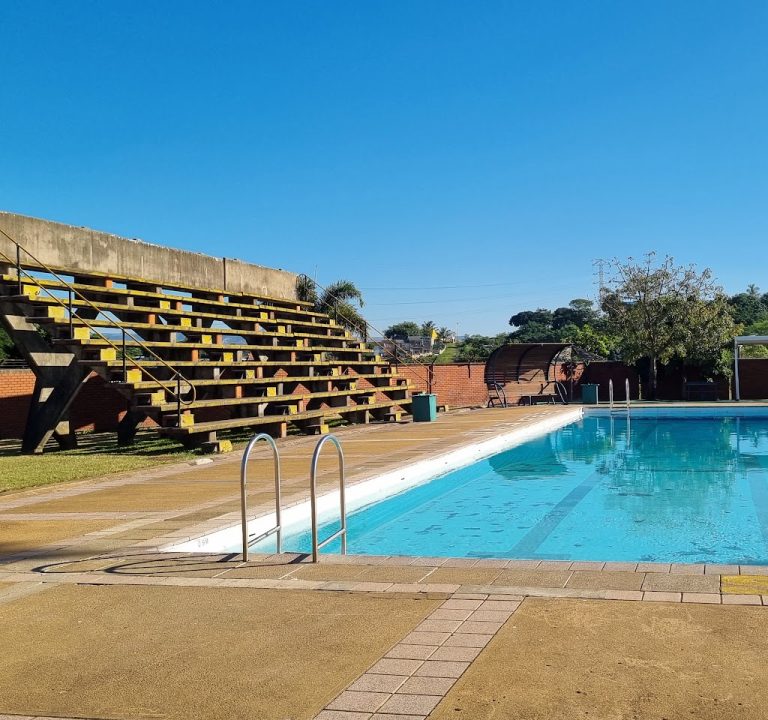
Extracurricular options are a key feature of Durban schools. Service offerings commonly cover sport, arts and culture, and clubs focused on academics, technology, or community involvement. Facilities may include sports fields or courts, performing arts spaces, science laboratories, libraries, and computer laboratories. These amenities enable practical, hands-on learning and healthy after-school engagement, which can contribute to whole-person development and school spirit.
Support for learners with additional needs is typically available through targeted programmes, inclusive teaching strategies, and access to specialists where required. Schools may offer small-group tutoring, enrichment classes, or adapted materials to ensure that all pupils can participate meaningfully in the curriculum. Parents are encouraged to discuss any specific requirements or accommodation needs during the admissions phase or early in the academic year.
In Durban, the relationship between families and schools tends to centre on clear communication and regular reporting. Termly progress updates, parent-teacher meetings, and digital portals (where provided) help families stay informed about academic performance, attendance, and behaviour. While services vary between institutions, the underlying objective remains consistent: to provide a supportive, well-resourced environment that fosters academic rigour, personal growth, and a positive school experience for learners across KwaZulu-Natal.