New Creation Bible Church International is a Church establishment in Durban, KwaZulu-Natal, South Africa
New Creation Bible Church International — Church services, community engagement and guest experience in Durban
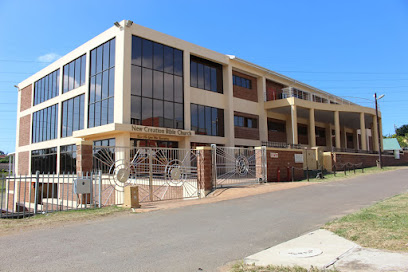
New Creation Bible Church International (NCBC) presents itself as a Durban-based faith community founded in 1992, expanding from a small two-family congregation to a sizeable church facility completed debt-free in 1998 and again in 2012 with a modern mega church complex. The church emphasises a Christ-centred life that seeks to transform individuals and communities through worship, teaching, and acts of service. The narrative framing the organisation stresses long-term commitment, faithful giving, and a forward-looking vision aimed at growing disciples who can impact the world with God’s grace.
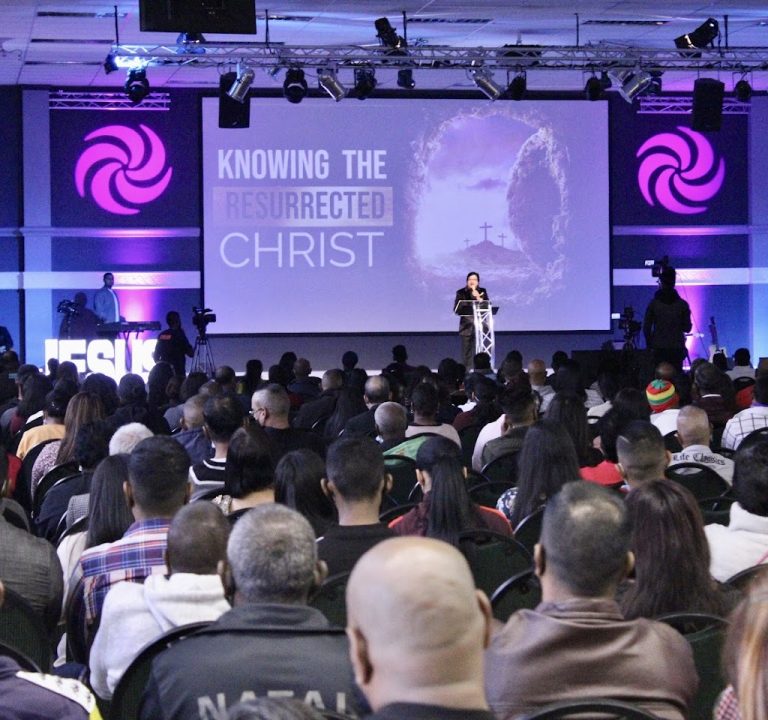
Core offerings centre on regular worship, Bible teaching, prayer, and fellowship. The weekly gathering is positioned as a central point in the life of the community, with Sunday worship scheduled for 8:30am. The church describes a multi-faceted programme that includes worship experiences, congregational teaching, and opportunities for social connection, all underpinned by a mission to glorify God and serve the surrounding area. The visible facilities, developed over time, include an office block and recording studios, indicating a church that integrates contemporary media and outreach capacity within its operations.
NCBC presents a four‑part vision designed to guide its growth and ministry. The stages — Evangelise, Affirm, Disciple, and Send — outline a journey from outreach and conversion through to nurture, equipping, and deployment. In practice, this translates to aiming for soul-winning through preaching and testimony, providing follow-up support for new believers, offering ongoing teaching and pastoral care to promote spiritual maturity, and empowering leaders to extend the ministry beyond the local church. The progression also contemplates participants rising to roles such as deacons, elders, or ministers as their callings develop, emphasising leadership development within a faith-infused community framework.
The church’s narrative of origin highlights a strong sense of faith-driven growth and community involvement. Early projects included the Worship Centre and Creche at Greenbury, Phoenix, with a notable milestone in 1998 when the building dedication was celebrated debt-free. The later 2012 expansion into a larger facility with office suites and media capabilities further signals a commitment to sustainability, outreach, and modern ministry infrastructure. These milestones are framed as manifestations of gratitude and steadfast dedication from the congregation, implying a culture that values long-term investment in its mission and facilities.
For visitors, the experience is likely to begin with a Sunday gathering, followed by opportunities for prayer, study, and fellowship within a supportive faith environment. The presence of recording studios suggests potential for media-led services or outreach production, which may enhance the accessibility of messages and teaching beyond weekly in-person attendance. The organisation’s openness to people at all stages of spiritual exploration is highlighted in its stated welcome to individuals regardless of where they are on their journey, implying a welcoming community aimed at inclusion and encouragement.
Typical activities and engagement opportunities are portrayed as inclusive and community-oriented. The “Know More About Us” section emphasises shared values and a focus on serving both local and wider audiences, with an emphasis on compassion and service as core expressions of faith. The church also hosts events such as Men’s Mentors & Masters, an annual gathering aimed at equipping men to grow in faith, lead with integrity, and serve with purpose. While the exact programme dates are subject to change, this event underscores the church’s commitment to leadership development and seasonal community-wide initiatives.
Practical tips for potential attendees or guests include arriving in time for Sunday worship at 8:30am, noting the Durban – KwaZulu-Natal location in Greenbury, Phoenix, and considering exploring the broader church programmes such as discipleship or leadership events. The main contact details — including a Durban address and telephone line, along with an email address — provide straightforward channels for general enquiries or support needs. Visitors can expect a community atmosphere rooted in faith, practical care, and a commitment to nurturing spiritual growth through structured stages of evangelism, discipleship, and service.
Local access and hours appear aligned with a traditional Sunday worship pattern, with additional programmes and events offered throughout the year. The location served is primarily Durban, KwaZulu-Natal, with the church emphasising a local impact while maintaining outreach ambitions beyond the immediate community. Practical considerations for guests include allowing time to engage with church activities beyond the main Sunday service and exploring the media or recording facilities as part of the church’s outreach and teaching delivery.
- Main services offered: Sunday worship, Bible teaching, prayer, fellowship, and related church activities.
- Typical engagement: weekly services, discipleship pathways, and leadership development events (e.g., Men’s Mentors & Masters).
- How requests usually work: visitors can approach the church for information or support via the provided contact details; follow-up and pastoral care are part of the stated vision for new believers.
- Practical tips: plan to arrive for the 8:30am Sunday service; check for additional programmes such as MMM and other church events; consider exploring discipleship opportunities if seeking longer-term involvement.
Durban
KwaZulu-Natal
4068
South Africa
Sorry, no records were found. Please adjust your search criteria and try again.
Sorry, unable to load the Maps API.
Church Services in Durban, KwaZulu-Natal
Durban, a coastal city in KwaZulu-Natal, offers a diverse spectrum of church services reflecting its multicultural population. In urban and suburban neighbourhoods alike, congregations may range from historic Afrikaans and English-speaking churches to vibrant multilingual assemblies that reflect local traditions. The variety is often guided by the denomination, the size of the congregation, and the historical roots of the church within the community.
Regular worship services typically begin on Sunday mornings, with some churches scheduling additional gatherings on weekdays or Saturday evenings. Common formats include a combination of prayers, hymns, sermons, and scriptural readings. The atmosphere can vary from formal to contemporary, but most services prioritise reverence and communal participation. Sermons usually unfold from biblical passages or thematic reflections, delivered by a minister or visiting guest preacher, sometimes incorporating storytelling, personal testimonies, and doctrinal emphasis aligned with the church’s tradition.
In Durban, a notable feature is the multilingual character of many congregations. English remains prevalent in services, while Zulu and Afrikaans are also frequently heard. Bilingual or trilingual services are common in larger centres, and music and song often play a central role in worship. Choirs, praise bands, or traditional hymn groups contribute to a melodic setting that accompanies the spoken word. For some congregations, contemporary worship styles sit alongside more liturgical forms, offering options that appeal to families, young adults, and long-standing parishioners alike.
What to expect when visiting a Durban church includes practical considerations that aid newcomers and guests. Arrivals are usually welcome at the main entrance, with information desks or friendly stewards available to guide visitors to seats, restrooms, or children’s programmes. Dress codes tend to be modest and respectful rather than formal, with options ranging from smart casual to traditional attire depending on the church tradition. Many churches in the city emphasise hospitality, often providing tea and coffee after the service or during fellowship times.
Children and youth programmes are common, with Sunday school or junior church sessions held concurrently or prior to the main service. Safeguarding and supervision practices are typically in place, reflecting broader community expectations. For those with children, crèche facilities or bible clubs may be available, sometimes during service times or in separate sessions.
Practicalities extend to accessibility and location. Durban offers a mix of historic buildings and more modern venues, some with ramps and accessible facilities to accommodate wheelchair users. Public transport, parking availability, and the proximity to central business districts or residential areas influence attendance patterns. Many churches provide information on service times and events through local directories, websites, or community notice boards.
In terms of activities beyond Sunday worship, Durban churches frequently run community outreach, charitable programmes, and visiting ministries. These efforts may address food security, educational support, youth mentoring, or assistance for the elderly and marginalised. While the scale and focus vary, the emphasis remains on fellowship, spiritual nourishment, and service to the wider Durban community.
Overall, church services in Durban, KwaZulu-Natal, present a welcoming space for worship and reflection within a culturally rich urban environment. Visitors can expect thoughtful worship experiences, multilingual accessibility, practical hospitality, and opportunities for involvement in faith-based community life.