

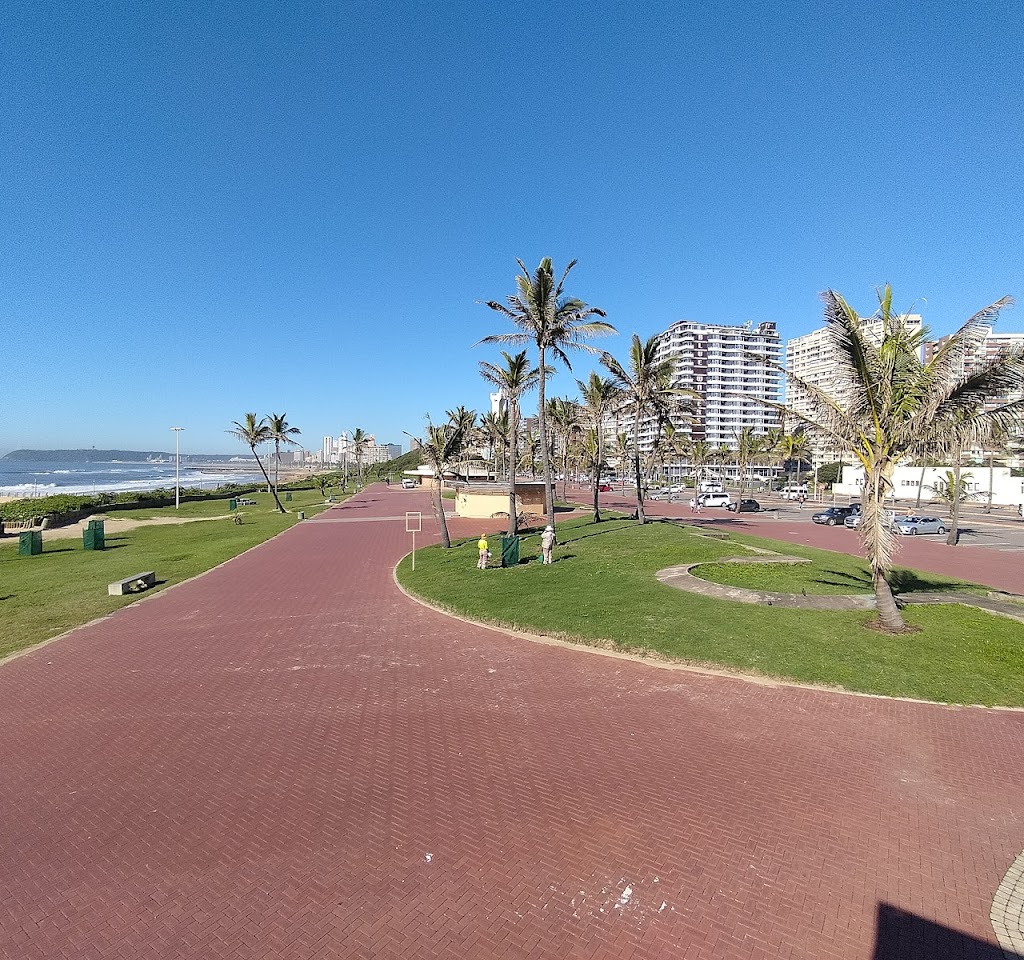
Pirates Lifesaving Club is a Surf lifesaving club establishment in Durban, KwaZulu-Natal, South Africa
Durban
KwaZulu-Natal
4000
South Africa

Sorry, no records were found. Please adjust your search criteria and try again.
Sorry, unable to load the Maps API.
Surf Lifesaving Club Services in Durban, KwaZulu-Natal
In Durban, KwaZulu-Natal, surf lifesaving clubs operate as community safety hubs along the city’s expansive coastline. They provide a range of services designed to protect beachgoers, support seasonal tourism and foster aquatic skills among residents and visitors. The work hinges on trained volunteers and professional personnel who combine prevention, rescue operations and education to create safer seaside environments across the region.
Central to the clubs’ remit is beach patrols during peak seasons when lifeguarding is most in demand. Trained lifeguards monitor flagged zones, advise swimmers on potential hazards and act rapidly in emergencies. The emphasis is on proactive risk management—clear warnings about rip currents, changing tides and wave conditions, coupled with practical guidance on safe swimming and surf etiquette. When incidents occur, swift on‑site response is prioritised, followed by coordination with emergency services as required.
Alongside guarding duties, surf lifesaving clubs in Durban deliver a broad spectrum of rescue and safety services. Trained negotiators of danger work with reinforced rescue equipment, including rescue boards, flotation devices and transport for injured individuals. The aim is to stabilise a casualty’s condition, remove them from danger and hand over ongoing care to medical professionals. This spectrum of activity often extends to night‑time patrols or specialised missions in adverse weather, subject to local permission and resources.
Educational programmes form a cornerstone of community outreach. Visitors and residents alike can benefit from safety talks, water‑safety demonstrations and youth‑focused activities. Junior programmes cultivate aquatic confidence, lifesaving knowledge and teamwork in a supervised environment. These courses commonly cover swimming proficiency, basic life support, rescue techniques and the use of safety equipment. In addition, public health aspects—such as sun protection, hydration and heat illness prevention—are routinely integrated into training and outreach sessions.
Membership‑based services are typically complemented by seasonal events and community partnerships. Clinics and clinics‑style training days, school collaborations, and local festival participation help extend the clubs’ reach beyond the shoreline. While exact offerings vary, many Durban clubs collaborate with local authorities, first‑aid organisations and marine safety groups to share best practice, maintain equipment and raise funds for ongoing operations.
Customers and beach users can expect practical, user‑friendly provisions aligned with coastal life. Clear signage and flag systems communicate current beach conditions; trained staff are available to answer questions about safety, facilities and local regulations. Accessibility is addressed through well‑organised schedules and inclusive programmes designed to engage families, young people and people with disabilities where possible. The aim is to promote responsible recreation while maintaining high safety standards across the coastline.
Practical considerations for engaging with surf lifesaving clubs in Durban include awareness of seasonal patterns, such as school holidays and heavy tourist periods when lifeguard coverage may be heightened. It is prudent to observe posted warnings, adhere to lifeguard instructions, and participate in available safety programmes when feasible. Given the diverse coastal landscape—from sheltered bays to more challenging surf—users are advised to select appropriate zones for swimming, stay within designated areas and recognise that conditions can change rapidly, especially after weather systems move through the region.
- Beach patrols and rescue operations by trained lifeguards
- Water‑safety education for communities and schools
- Junior lifesaving programmes and youth development
- Public demonstrations, outreach events and partnerships with local authorities
- Access to safety equipment, first aid and basic life support guidance


