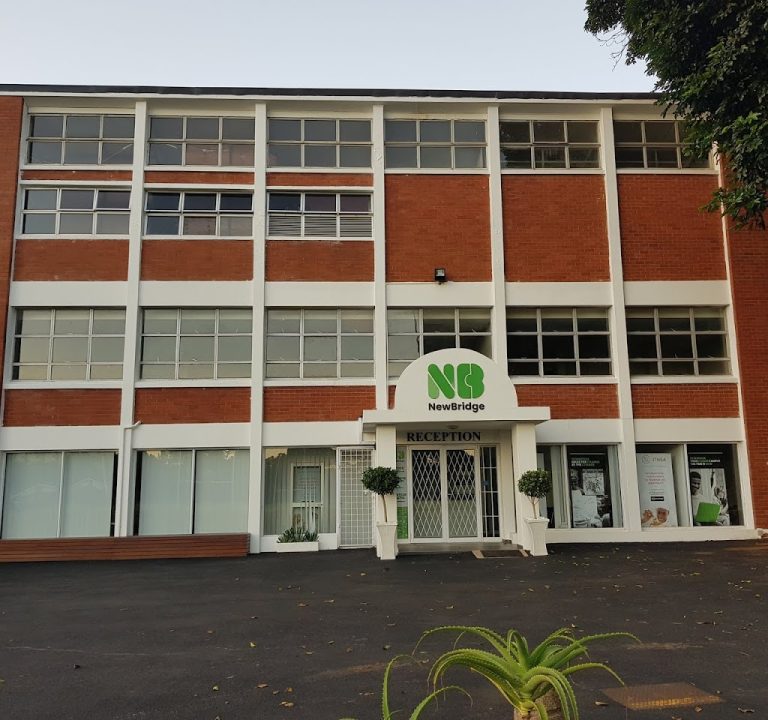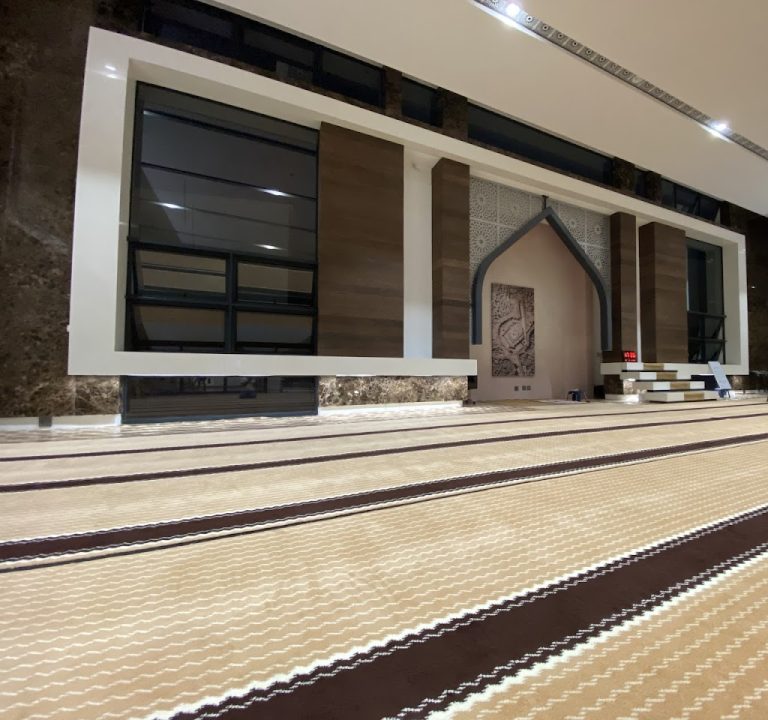
Chris Seabrooke Music Centre is a School establishment in Berea, Kwa-Zulu Natal, South Africa
Chris Seabrooke Music Centre at Durban High School – a dedicated hub for school-based musical activity
Durban High School in Durban, Kwa-Zulu Natal, operates the Chris Seabrooke Music Centre as a specialised facility designed to nurture young musicians within a comprehensive school environment. Officially opened in October 2016, the centre represents a significant expansion that brings together performance, practise and recording in a purpose-built setting. The project aligns with the school’s broader cultural ambitions and sits alongside other prominent performance spaces on campus, such as Seabrooke Theatre, to foster both creative expression and technical skill among learners.
The centre comprises several key components that support a broad range of musical endeavours. Essential features include soundproof practice rooms that give learners space to refine technique without external interruption. A dedicated project-recording studio provides an environment for hands-on audio production, enabling learners to engage with the practical side of music creation—from initial ideas through to final mixes. The on-site auditorium houses a Yamaha baby grand piano, offering a refined recital and rehearsal venue where learners can perform for peers and instructors in a real-world concert setting. Together, these facilities create a cohesive ecosystem for developing musicality, discipline and collaborative practice.
The Chris Seabrooke Music Centre is funded by the Durban High School Foundation Trust, a testament to community involvement and long-term support for the school’s artistic programmes. The centre’s leadership and development reflect a broader ethos of legacy and partnership within the school community. Chris Seabrooke, in recognition of his contributions to the arts and his status as a former student, helped drive the realisation of this state-of-the-art facility, following earlier philanthropic projects such as Seabrooke Theatre. The intention behind the centre is clear: to provide a platform for many young musicians to nurture their talent, express their passion and showcase their abilities.
Natalie Rungan, an established KwaZulu-Natal singer and songwriter, is appointed as the centre’s director, bringing professional musical insight and academic alignment to the programme. Her leadership, along with the backing of the DHS Foundation Trust and the school management, positions the Music Centre as a hub where learners can access structured opportunities to develop both performance and recording skills. The opening ceremony featured performances and celebrations that underscored the centre’s role as a living, evolving part of the school’s culture, with contributions from notable alumni and school choirs.
Experience and customer journey
- Access to a dedicated set of practice rooms for disciplined daily work, free from external distractions.
- Engagement with a recording studio that supports hands-on learning in music production and audio engineering.
- Use of an auditorium equipped with a quality instrument for rehearsals, recitals and showcase events.
- A programme run under school leadership and with expert input from a practising musician and educator, designed to translate classroom study into practical performance opportunities.
- A community-facing ethos, anchored in the school’s decades-long tradition of arts and culture and supported by the DHS Foundation Trust.
Practical tips for prospective users
- Inquiries about involvement or access can be directed through Durban High School’s contact channels, using the publicly listed telephone number or email address to reach the Music Centre administration.
- Expect information about schedules and utilisation as the programme evolves; the centre’s activities may be tied to school terms and public performances.
- Given the centre’s educational remit, opportunities are likely to be structured around learner participation, with scope for public showcases or student-led productions when available.
- For visitors from the surrounding Berea area or broader KwaZulu-Natal communities, it is useful to confirm any public events or open days that feature performances or demonstrations at the Music Centre.
Location and community served
- The Chris Seabrooke Music Centre is part of Durban High School, located in the Berea area of Durban, serving learners in the school, with potential outreach or public events as capacity and programming allow.
- The centre complements other DHS facilities—such as Seabrooke Theatre and associated cultural programmes—strengthening the school’s profile as a multi-faceted educational hub in northern Durban.
Overall impression
The Chris Seabrooke Music Centre stands as a well-resourced, strategically supported facility within Durban High School, aimed at enabling young musicians to practise, record and perform in a dedicated environment. By pairing practical rehearsal spaces with a project-recording capability and a concert venue, the centre offers a concrete pathway from learning to performance, rooted in a long-standing tradition of arts at DHS and reinforced by philanthropic backing and experienced leadership.
Berea
Kwa-Zulu Natal
4001
South Africa
Sorry, no records were found. Please adjust your search criteria and try again.
Sorry, unable to load the Maps API.
School services in Berea, Kwa-Zulu Natal
In Berea, Kwa-Zulu Natal, school services cover a broad spectrum designed to support learners from early education through to adolescence. Local families typically encounter a mix of core academic provision alongside supplementary programmes that address wellbeing, safeguarding, and personal development. While offerings vary by school, common services focus on tuition, pastoral care, enrichment activities, and practical arrangements that help pupils progress through the school year with structure and assurance.
Core academic support is complemented by targeted assistance such as homework clubs, tutoring sessions, and examination preparation. Many schools provide additional language support, literacy and numeracy programmes, and specialist input for learners with additional support needs. Vocational and technical routes may be part of the curriculum in some institutions, offering hands-on experiences in areas like information technology, design, and business studies. Parents can expect clear guidance on curriculum aims, assessment methods, and progression pathways as pupils move through year groups.
Pastoral and wellbeing services play a central role in Berea schools. Trained staff often supervise counselling services, student welfare, and mental health awareness initiatives. Attendance at assemblies and regular meetings with form tutors or year heads support oversight of student welfare, behaviour, and safeguarding. Schools also emphasise social-emotional learning, conflict resolution, and the fostering of a respectful and inclusive environment for a diverse pupil population.
Extended provision is common and may include after-school activities, sports, arts, and clubs. These programmes provide opportunities for physical fitness, team-building, creative expression, and leadership development. Where transport is offered, it is typically organised by the school or through partnerships with community providers, ensuring safe and reliable arrivals and departures for families commuting from different areas around Berea and greater Durban.
Practical considerations common to Berea schools include adherence to guarded timetables, term dates, and reminders about holiday programmes or enrichment weeks. Facilities such as safe playgrounds, secure classrooms, libraries, computer labs, and dining areas contribute to a structured daily routine. Schools often communicate through termly calendars and parent portals, outlining important dates, homework expectations, and upcoming assessments. While exact platforms vary, the emphasis remains on transparent and timely information to help families plan around absences, sports fixtures, and school events.
Admissions and enrolment procedures typically involve an initial inquiry, submission of required documents, and an assessment or interview process appropriate to the learner’s age and needs. Practical considerations for Berea families include transport options, safe access routes, and proximity to home, work, or community facilities. Meal provisions and school meals policies may form part of the daily routine, with attention given to nutritional standards and any dietary requirements.
From a business and community perspective, school services in Berea are shaped by local demographics, school branding, and partnerships with supporting organisations. While specific offerings differ among state, independent, and private institutions, the overarching objective remains the same: to provide a stable, nurturing, and academically rigorous environment where learners can develop academic skills, resilience, and social competence. Prospective families are encouraged to consult individual schools for tailored information about available programmes, enrolment timelines, and how services align with their child’s needs and family circumstances.
- Core academic support and enrichment programmes
- Pastoral care, safeguarding, and wellbeing services
- After-school activities, sports, and arts
- Language support and assistance for learners with additional needs
- Transport coordination and safety considerations
- Admissions guidance and family-facing communications