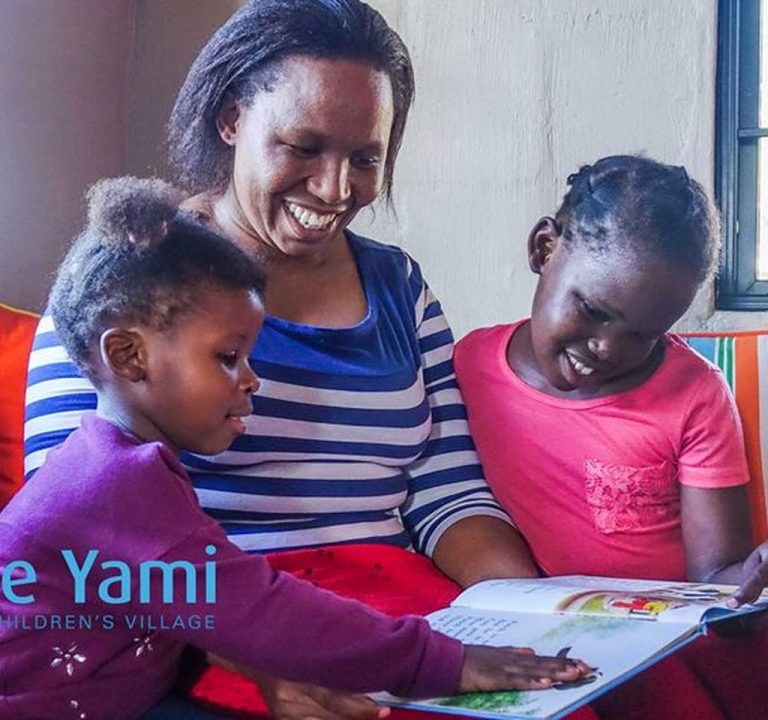
Ingane Yami Children’s Village is a Non-profit organization establishment in Durban, KwaZulu-Natal, South Africa
Ingane Yami Children’s Village – Durban, KwaZulu-Natal (Non-profit organisation)
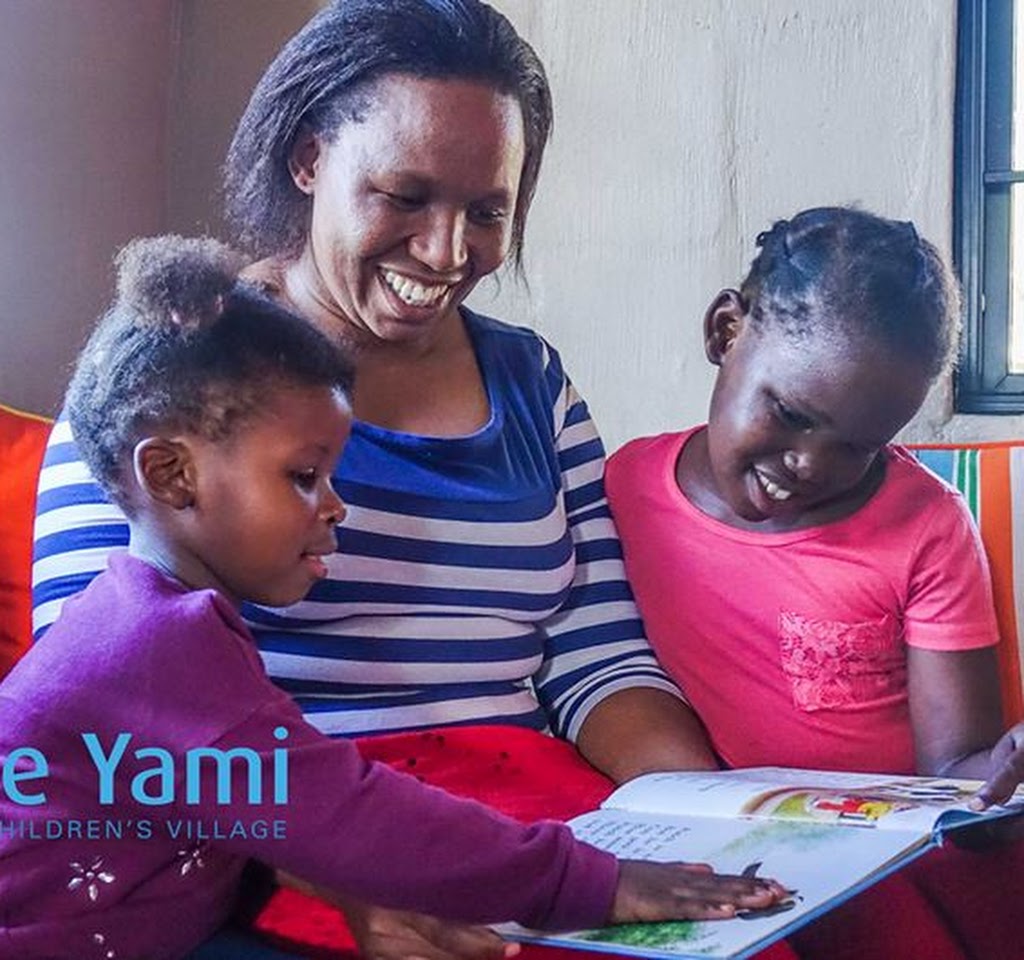
Ingane Yami Children’s Village operates in the Shongweni Valley, just outside Durban, KwaZulu-Natal. The organisation presents itself as a permanent, loving home for orphaned and vulnerable children rather than a traditional orphanage. The village is arranged into individual homes, each accommodating six children and led by a carefully selected foster mother. This structure highlights a commitment to family-style care, continuity, and a sense of belonging for young residents.
A notable feature of the model is the integrated professional team that supports each child’s development. The on-site staff comprises social workers, a village pastor, qualified teachers, and a dedicated support team. Their collaborative approach aims to meet the holistic needs of the children—emotional, educational, physical, and spiritual—within a community setting. This emphasis on a well-rounded, relationship-based care framework is reflected in the organisation’s messaging about rewriting a child’s story through meaningful and lasting support.
The organisation communicates a mission anchored in compassion and restoration. The central idea is that every life is precious and that hope can be restored for children who are broken or vulnerable. The express aim is to rewrite the stories of the children by providing stable relationships, education, and opportunities for personal growth. This narrative positions Ingane Yami as a long-term partner in each child’s journey, rather than a temporary solution.
Key programmes and avenues for involvement are highlighted on the site. The sponsorship model stands out as a primary mechanism for support. Individuals, families, and corporate teams can sponsor a specific child through ongoing monthly donations. The sponsorship is described as directing funds towards the sponsor child’s holistic needs, with recipients receiving regular feedback on progress and opportunities to meet and connect with the child. This transparency and ongoing engagement are presented as central to the sponsor experience.
In addition to individual sponsorship, corporate sponsorship information is provided as a pathway for businesses to engage with Ingane Yami’s vision. The site emphasises the mutual benefits of long-term partnerships, framed as a relationship-driven model that strengthens both the village and the corporate donor. This approach suggests a collaborative ethos where corporate involvement is integrated into the organisation’s broader mission and community impact goals.
Donations are positioned as a collective effort, inviting wider community participation. The message communicates that “if everyone brings what they have in their hand to give, together a huge impact can be made.” This inclusive language underscores the willingness to accept varied forms of support and highlights the organisation’s openness to different donor contributions beyond targeted sponsorships.
Practical information for visitors or potential supporters can be drawn from the site’s contact and social presence. While specific business hours or visiting times are not stated on the publicly available pages, the village’s proximity to Durban and location in the Shongweni Valley place it within reach for those exploring KwaZulu-Natal’s charitable offerings. Following the organisation on social media is encouraged, with an active Instagram presence that shares stories and updates from the village and its residents.
From a visitor or potential collaborator’s perspective, Ingane Yami presents a clear value proposition centred on stable, family-like care for vulnerable children, delivered by a professional, multi-disciplinary team in a nurturing environment. The sponsorship and donation pathways offer tangible routes to contribute, whether through ongoing financial support or corporate engagement. The emphasis on relationship-building—between sponsor and child, between corporate partners and the village, and among the residents themselves—shapes a distinctive approach to non-profit volunteering and philanthropy in the Durban area.
Practical tips for prospective supporters or visitors include:
- Explore sponsorship options: identify a specific child to sponsor and understand how monthly contributions fund holistic needs and provide progress feedback.
- Consider corporate involvement: investigate partnership opportunities designed to build long-term relationships and mutual benefits.
- Engage via donations: recognise the inclusive invitation to contribute in various forms and understand that every contribution supports the village’s mission.
- Follow the village online: keep up-to-date with stories and activities through social media to gain a sense of ongoing impact and community life.
- Note location context: plan visits or inquiries with awareness of the Shongweni Valley setting and its proximity to Durban for practical accessibility.
Overall, Ingane Yami Children’s Village presents a personalised, community-centred approach to caring for vulnerable children, underpinned by a commitment to long-term relationships, comprehensive support services, and opportunities for supporters to participate in meaningful, story-changing outcomes.
Durban
KwaZulu-Natal
3610
South Africa
Sorry, no records were found. Please adjust your search criteria and try again.
Sorry, unable to load the Maps API.
Non-profit organisation services in Durban, KwaZulu-Natal
In Durban, KwaZulu-Natal, non-profit organisations (NPOs) operate across a broad spectrum of community-focused activities. They typically address social needs, support vulnerable groups, and contribute to long-term development by mobilising resources, volunteers, and partnerships. The services offered are usually designed to meet local priorities, which may include welfare assistance, education, health, housing, and environmental stewardship. While the exact programmes vary by organisation, the overarching aim is to improve well-being and resilience within communities.
A common set of services encompasses direct support to individuals and families. This can include food aid, basic healthcare information, psychosocial support, counselling, and access to social grants or benefits guidance. Many Durban NPOs run programmes aimed at children and youth, such as after-school activities, mentorship schemes, literacy and numeracy support, and life-skills training. For adults and older adults, services may cover skills development, career readiness, vocational training, and aid with navigating social services. In a region subject to climate and economic pressures, assistance with housing, shelter during emergencies, and disaster relief planning is also a frequent focus.
Health and well-being services form a core element of activity. Organisations may conduct health education campaigns, vaccination drives, screenings for non-communicable diseases, and maternal and child health support. Partnerships with clinics and public health bodies are commonly pursued to extend reach and reinforce continuity of care. In addition, mental health and stigma reduction activities are increasingly emphasised as vital components of holistic community care.
Education and capacity-building are central to many NPO efforts. Programmes often aim to improve literacy, numeracy, digital skills, and basic English language proficiency, alongside environmental and civic education. Community centres and learning hubs provide spaces for vocational training, entrepreneurship guidance, and information sessions on rights and access to services. Where resources permit, organisations may also facilitate small grants or micro-finance initiatives to help aspiring entrepreneurs establish or grow enterprises.
Engagement with the local environment and urban development is another notable area. Projects may focus on housing maintenance, infrastructure improvements, waste management education, and community-led regeneration initiatives. Such activities align with broader municipal development plans and contribute to improving living conditions in townships, peri-urban areas, and coastal settlements alike.
A practical picture of how NPO services operate can be imagined through several common features. Governance typically rests with boards or volunteer committees that oversee programme delivery, financial stewardship, and stakeholder engagement. Compliance with regulatory requirements, ethical standards, and safeguarding policies is a normal consideration, particularly when programmes involve children, vulnerable adults, or sensitive information. Delivery models often combine direct service provision with collaboration; partners may include local authorities, hospitals, schools, faith-based groups, and other community organisations. Revenue sources commonly include fundraising drives, grants from private and public funders, donor contributions, and in-kind support, with organisations prioritising transparent reporting and impact documentation.
For those seeking NPO services in Durban, practical considerations include proximity to communities, accessibility of venues, and schedules that accommodate work and schooling patterns. Potential beneficiaries and supporters should expect clear information about eligibility, intake processes, and how to access assistance. The role of volunteers and the importance of community involvement are frequently acknowledged, with many programmes welcoming contributions in a range of capacities. While operating models vary, the continuous aim remains the same: to strengthen local resilience, deliver essential services, and foster meaningful community participation in Durban and its surrounding areas.