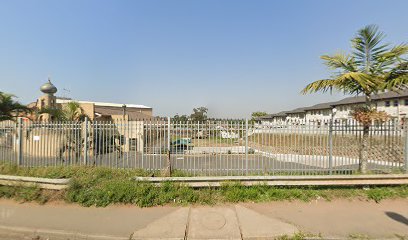
Effingham Heights Primary School is a Primary school establishment in Durban North, KwaZulu-Natal, South Africa
Effingham Heights Primary School – Summary of Services and Customer Experience
Effingham Heights Primary School, located in Effingham Heights, Durban North, KwaZulu-Natal, presents its communications through a concise contact page that centres on accessibility and straightforward enquiry handling. The page functions as a gateway for prospective and current stakeholders to initiate correspondence with the school administration, with a clear emphasis on providing multiple channels for reaching out. The emphasis is clearly on making contact as uncomplicated as possible, reflecting a practical approach to parent, guardian, and community engagement.
The principal means of contact shown on the site includes a physical address, postal address, telephone lines, and electronic mail. Specifically, the street location is listed as 1 Manjee Place, Effingham Heights, Durban, 4051, alongside a P.O. Box for postal correspondence (P.O. BOX 401050 REDHILL 4071). The presence of both street and postal addresses indicates a dual pathway for formal correspondence and document delivery, which is a common feature for schools seeking reliable channels for documentation, forms, and official communications.
Two telephone numbers are provided (031 564 6412 and 031 564 6423), offering callers a direct line to administrative staff for general inquiries, admissions information, and other school-related questions. The inclusion of multiple contact numbers enhances accessibility by providing alternatives in case one line is busy or unavailable, which can contribute to a smoother initial contact experience for parents and carers who may be coordinating school matters around work or family commitments.
In addition to telephone contact, the page lists electronic mail addresses for further correspondence: [email protected] and [email protected]. The availability of at least one generic information inbox alongside a dedicated address suggests an organised system for routing inquiries. Email communication typically supports a documented trail of questions and responses, which can aid in clear record-keeping for both families and school staff.
One notable feature highlighted on the page is a link inviting visitors to join a WhatsApp Channel. This indicates an opportunity for more timely, routine updates and quick checks for general announcements or reminders. The inclusion of a WhatsApp channel aligns with contemporary parent communications practices, offering a familiar and convenient method for short messages and rapid replies, subject to the school’s management and response expectations.
From a customer experience perspective, the page’s structure signals a straightforward, no-nonsense approach to engagement. The emphasis on direct contact details reduces friction for individuals seeking information about enrolment, queries about school life, or specifics about administrative procedures. Although the page does not enumerate a comprehensive list of services, the essential function—facilitating communication with the school’s administration—is clearly foregrounded. The presence of both physical and digital channels suggests an awareness of varied user preferences and circumstances, including those who favour traditional mail, telephone conversations, email correspondence, or instant messages via WhatsApp.
Visitors should note practical tips when engaging with Effingham Heights Primary School through the provided channels. First, verify the purpose of the contact to direct inquiries to the appropriate inbox or extension, which can help reduce response times. When emailing, including a concise subject line and essential details (such as the student’s name, grade, and a brief description of the query) can expedite handling. For telephone calls, having key questions written down in advance can improve the efficiency of the conversation, particularly during busy periods. If utilising the WhatsApp Channel, expect concise updates and consider replying promptly to maintain smooth dialogue, bearing in mind standard school administrative hours and response times, which may vary seasonally with school calendars and peak periods.
Geographically, the site clearly anchors Effingham Heights Primary School in Durban North, KwaZulu-Natal, with a postal and street address that situate the institution within the local community. The contact page functions as a practical hub for information requests, admissions queries, and general administrative communications, supporting the daily operations of a primary educational institution within the region.
Durban North
KwaZulu-Natal
4051
South Africa
Sorry, no records were found. Please adjust your search criteria and try again.
Sorry, unable to load the Maps API.
Primary school services in Durban North, KwaZulu-Natal
Primary schools in Durban North typically provide a broad, developmentally appropriate programme aimed at laying solid foundations in literacy, numeracy, social skills, and physical well-being. The day often begins with a structured timetable that blends core academic subjects with creative and practical activities. Class sizes vary, but schools commonly aim to balance individual attention with collaborative learning, creating an environment that supports both quieter and more active learners. Instruction is frequently delivered in English, with additional language options such as isiZulu offered to promote bilingual proficiency or intercultural understanding.
A central aspect of primary schooling in this region involves a well-rounded curriculum. Core subjects usually include English, mathematics, science, social studies, and life orientation, alongside arts and physical education. The curriculum is complemented by enrichment programmes that may cover music, drama, visual arts, coding, and environmental education. Many Durban North schools place emphasis on developing reading fluency, critical thinking, problem-solving, and digital literacy within a safe, structured setting.
Support services are commonly available to assist learners who need extra help. This may encompass additional tutoring sessions, small-group support, and resources for learners with diverse needs. Inclusive education practices are frequently prioritised, with teachers differentiating tasks and using varied instructional strategies to accommodate different learning styles. Where relevant, schools may collaborate with educational psychologists, speech therapists, or counsellors to monitor progress and well-being.
Safety, security, and well-being are key considerations. The school day is typically organised to include clear routines, regular announcements, and a controlled access environment. Outdoor play and physical activity are valued for health and social development, with playgrounds, sports fields, or courts often available on-site. Uniforms are common in many primary schools, accompanied by guidance on dress standards for daily activities and special events.
Parental involvement and communication are integral to the Durban North schooling experience. Schools commonly publish calendars, newsletters, and notices to keep families informed about curriculum, assessments, and school events. Parent-teacher interactions may occur through formal conferences, informal meetings, or school-hosted activities. Home learning support, where provided, generally emphasises consistency and encouragement rather than replacing classroom instruction.
Practical considerations for families include transport arrangements, after-school supervision, and meals. Some schools offer affordable on-site or nearby after-school care programmes that extend supervision into the late afternoon. Nutritious meal options or lunch facilities may be available, with awareness of local dietary requirements and allergies. Daily timetables typically accommodate a mid-morning snack and a midday break, fostering energy and focus for learning sessions.
Admissions and assessments are handled through the school’s administrative processes. Prospective families can expect information on entry age, placement tests where applicable, and the presentation of the school’s ethos, values, and expectations. General guidelines cover attendance policies, discipline approaches, and safety provisions, while individual schools may articulate their own codes of conduct and parent involvement frameworks.
Facilities across Durban North primary schools commonly include well-equipped classrooms, libraries, science corners, and multipurpose spaces for assemblies and performances. Outdoor spaces often feature shaded areas and well-kept playing fields or courts to support organised sport and informal recreation. In summary, primary school services in Durban North aim to foster a nurturing learning environment, offer broad academic and extracurricular opportunities, and facilitate constructive partnerships between schools and families.