Pronto Security Stowaway Detection is a Security service establishment in Bluff, Kwa-Zulu Natal, South Africa
Overview of Pronto Security Stowaway Detection Services in Bluff, Kwa-Zulu Natal
Pronto Security Stowaway Detection operates from Bluff, Kwa-Zulu Natal, offering specialised maritime security services designed to protect cargo, crews and vessels. The organisation positions itself as a rapid-response provider focused on stowaway detection within the broader field of maritime security, alongside training and consultation. Its stated aim is to create a secure maritime environment in which clients can operate with confidence, supported by rigorous surveillance and established security protocols.
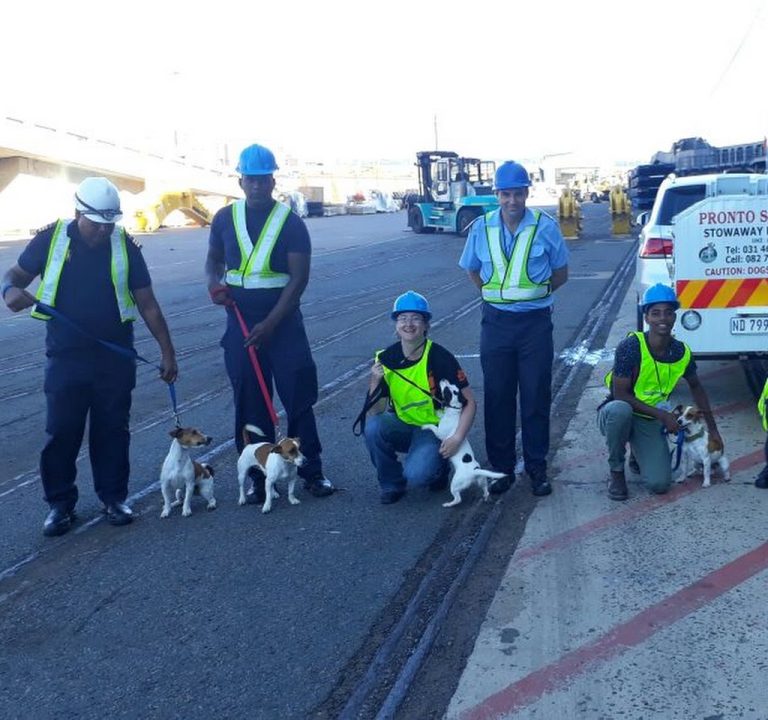
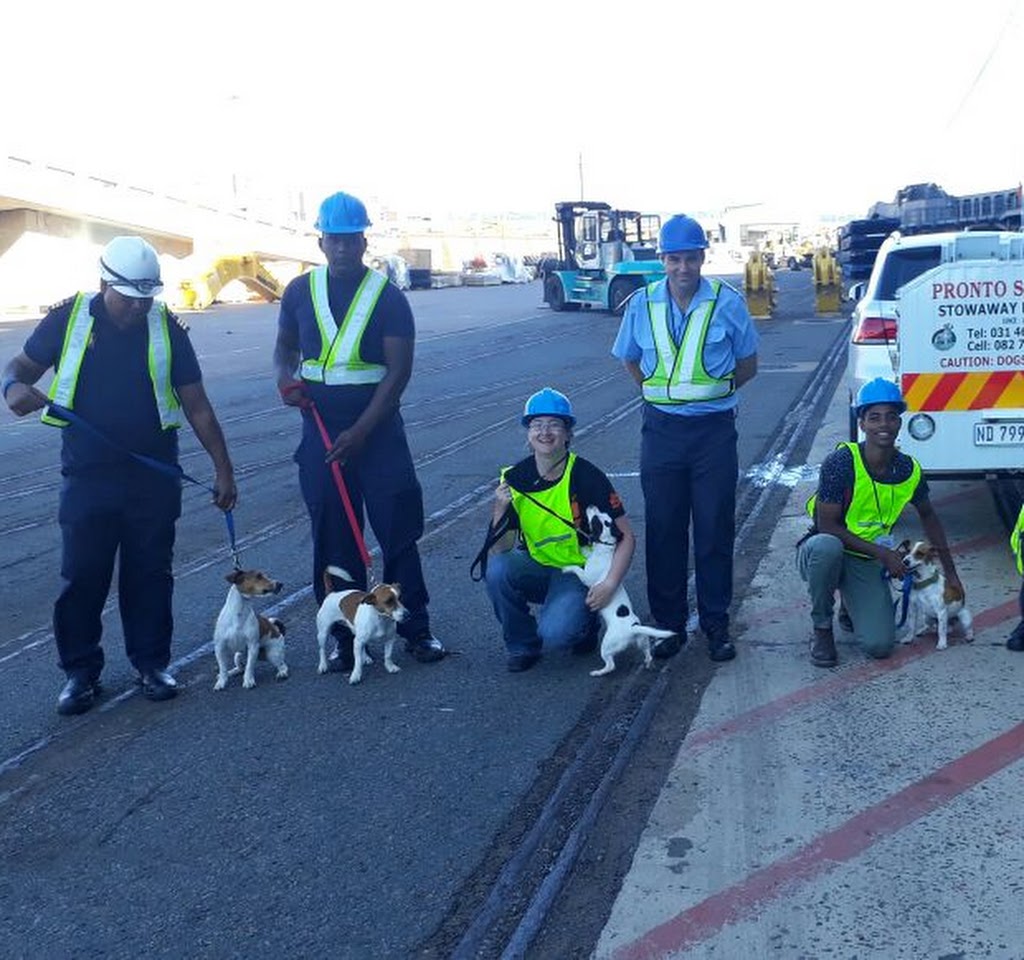
The core service portfolio includes comprehensive vessel inspection, stowaway searches and specialised security capabilities. Comprehensive Vessel Inspection involves detailed examinations of ships to identify potential security gaps, ensuring that vessels meet safety and security standards before and during voyages. Stowaway Search is a specialised activity conducted to detect and deter stowaway attempts, with a track record highlighted by the claim of a 100% stowaway detection rate over 21 years. Maritime Security Consulting offers strategic guidance tailored to the needs of vessels, ports and related operations. Security Training & K9 Units provide personnel development and canine-assisted security measures, reinforcing on-board and on-shore security during maritime operations.
In addition to its service offerings, Pronto Security Stowaway Detection emphasises practical experience in the maritime sector. The firm notes involvement with a broad spectrum of vessel types, including fishing trawlers, bulk carriers, container liners, wood carriers, car carriers, oil rigs and passenger liners. This breadth underscores an emphasis on versatility within the maritime domain and a long-standing presence in the industry since its inception in 1997. The company also highlights a significant footprint in Durban Harbour security, boasting a substantial market share in guarding international clients and a growing interest in expanding across other security sectors.
Operationally, Pronto Security is presented as PSIRA-registered, with a registration number cited as 353610. This credential situates the business within the South African private security regulatory framework and lends a level of formal compliance to its maritime operations. The business is described as having substantial experience and a reputation for quick and efficient service, attributes that are highlighted as central to its maritime-focused offering.
The physical location is stated as 60 Marine Drive, Ocean View, Bluff, 4052, with standard operating hours described as Monday to Friday from 08:00 to 17:00. The site also indicates that the business is generally closed on Sundays, and it provides contact channels such as general and operations email addresses, alongside a local telephone listing. This information suggests a customer-facing office presence during standard business hours, suitable for coordinating security services and arranging inspections or consultations related to vessel security and stowaway detection.
As a business profile, Pronto Security Stowaway Detection positions itself as a leader in the marine security sector, with a stated 70% market share in Durban Harbour guarding for international clients. The narrative emphasises staff training and robust business models as drivers of its market position, alongside the breadth of its sector activity, which includes dedicated industrial safety, commercial security and specialised marine services. The company presents a narrative of experience and practical outcomes, including a noted history of arresting stowaways and maintaining a long-standing track record of maritime safety support.
Typical job types described by the firm align with maritime security needs: pre-voyage vessel inspections, on-going stowaway searches during port calls or voyages, and security training for crew and port personnel. The services are framed as geared toward clients who prioritise rapid, reliable detection and comprehensive risk mitigation within complex maritime environments. Requests for services are portrayed as straightforward, with a focus on securing access for inspection teams, coordinating with vessel schedules and aligning security measures with operational requirements.
Practical tips for customers include arranging security inspections well ahead of planned departures to ensure any security gaps are addressed in time. Providing clear vessel itineraries and port call schedules can help security teams tailor searches and surveillance to actual routes and risk points. Clients are advised to verify PSIRA registration and request documentation demonstrating compliance and credentials. When engaging the firm’s security training or canine units, consider scheduling familiarisation sessions for crew to maximise effectiveness during real-world operations. For those visiting the Bluff area, standard business hours apply on weekdays, with the office typically closed on Sundays, and the Bluff location serves as a convenient hub for maritime security coordination in the region.
Bluff
Kwa-Zulu Natal
4052
South Africa

Sorry, no records were found. Please adjust your search criteria and try again.
Sorry, unable to load the Maps API.
Security service provisions in Bluff, Kwa-Zulu Natal
Security services in Bluff, Kwa-Zulu Natal, cover a wide range of protective measures designed to deter crime, safeguard property, and provide peace of mind for residents and businesses. In this coastal suburb, providers typically offer a blend of physical guarding, technological monitoring, and swift response capabilities to address local security concerns and the prevailing urban environment.
Guarding and patrols form the cornerstone of many security offerings. Static guards are commonly employed at entrances, gates, and key facilities to deter trespassers and manage access. Mobile patrols traverse residential and commercial areas, conducting regular check-ins, securing perimeters, and responding to incidents. For some sites, especially those with higher security needs, a combination of day and night patrols is standard, delivering a continuous security presence throughout the week.
Access control and alarm systems are frequently integrated to strengthen protection. This includes visitor management, controlled entry points, and the use of electronic access systems or gates monitored by security personnel. Intrusion and perimeter alarms, often connected to a monitoring centre, provide rapid alerts in the event of a breach. Clients may receive post-incident reports outlining actions taken, timelines, and recommendations for further measures.
Closed-circuit television (CCTV) and remote monitoring are common features in Bluff, leveraging camera networks to surveil premises, public spaces, and vulnerable zones. Modern systems can offer high-definition recording, smart analytics, and real-time feeds to authorised personnel. When a potential threat is detected, security teams can initiate a validated response, coordinate with on-site guards, or alert local authorities as appropriate.
In addition to physical protection, security service providers often deliver risk assessment, security consultancy, and advisory services. This involves identifying vulnerabilities, mapping access routes, and suggesting layered safeguards tailored to the site’s layout, occupancy patterns, and activity levels. Clients typically receive a written assessment with recommended control measures, prioritised by risk level and practicality.
Event security represents another common segment, especially for local gatherings, venues, and temporary installations. Trained personnel manage crowd flow, entry screening, and incident reporting while maintaining a visible deterrence. Planning may extend to emergency protocols, evacuation routes, and liaison with local authorities to ensure smooth operations during events.
Practical considerations for engaging security services in Bluff include regulatory compliance and supplier credibility. The private security sector in South Africa is regulated, and providers should hold appropriate registration and licences where applicable. Prospective clients are advised to verify credentials, request clear service level agreements, and confirm response times and escalation procedures. Transparent reporting practices, including incident logs and maintenance records, help in assessing the effectiveness of the security solution over time.
Clients can expect an industry-standard approach that begins with a site assessment, followed by a tailored plan, deployment of personnel and technology, and ongoing monitoring and review. The exact mix of services—such as guarding, patrols, access control, CCTV, and alarm response—depends on factors like property type, availability of on-site staff, and budget. In Bluff, where the community combines residential streets with commercial pockets, a layered, practical security strategy tends to emphasise visible presence, rapid response capability, and robust incident documentation.
Ultimately, customers benefit from a local understanding of the environment, including common risk patterns and access routes. While specific offerings vary among providers, the overarching objective remains consistent: to deter crime, protect assets, and ensure timely, professional responses to any security event within Bluff and its surrounding neighbourhoods.