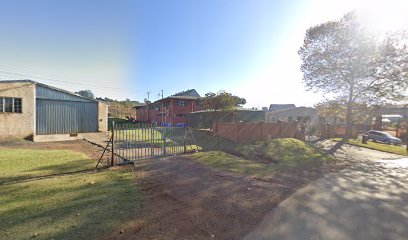
New Africa Skills Development is a Training centre establishment in Howick, KwaZulu-Natal, South Africa
New Africa Skills Development: Training Centre in Howick, KwaZulu-Natal
New Africa Skills Development (Pty) Ltd is a BEE-compliant, FP and M SETA accredited training provider based in Merrivale, Howick, KwaZulu-Natal. The organisation specialises in practical vegetation management training, with a particular focus on herbicide application, chainsaw operation and brush cutter use. The centre emphasises consistency and high standards, aiming to enhance safety and quality across vegetation management operations throughout Southern Africa.
The core services offered centre on a suite of vocational courses designed to equip candidates with the skills necessary to operate effectively in forestry, conservation, game farming, industrial environments, road verge maintenance and rangeland sectors. The learner experience is framed around practical, hands-on instruction, with an emphasis on real-world application and compliance with relevant regulations. A key feature of the provider’s offering is flexibility in delivery: courses can be conducted at venues chosen by clients, in any province across South Africa, via a network of regional training consultants. This approach supports organisations seeking on-site training for staff teams or contractors.
The training catalogue includes the following main courses, each aimed at developing competence in specific operational aspects of vegetation management:
- Environmental Vegetation Management Course (5 days) – certifies competencies leading to eligibility to apply for a Pest Control Licence (Weed Control) under Registrar Act 36 of 1947. The programme covers species identification, herbicide application methods, safety, legislation, calibration and practical field work. Duration is listed as 5 days, with an 8:30am start for sessions, and a 70% pass mark required for certification. Examination is written, with bilingual English/Afrikaans papers.
- Herbicide Applicators Course (3 days) – focused on knapsack herbicide application, safety, application methods and practical assessment. Delivered at client venues across provinces, with instruction provided by experienced trainers in herbicide application. Delivery is flexible and cost depends on learner numbers.
- Brush Cutter Course (10 days) – classroom and field elements addressing safety, personal protective equipment, maintenance, operating techniques and maintenance of brush-cutters as used in forestry and vegetation management.
- Chain Saw Course (10 days) – covering chainsaw components, safety, operating techniques, kickback awareness, and maintenance for production cutting operations.
- Fire Fighting Course (2 days) – modules on fire behaviour, wildlife suppression procedures, line safety, water hose operations and mop-up activities; designed for scenarios encountered in vegetation-rich or rural environments.
- Health and Safety Course (2 days) – focuses on risk assessment, safety signs, emergency planning and basic first aid, with emphasis on SAQA standards and disaster readiness.
In addition to standard classroom and field delivery, the organisation provides a mobile clinic option to support on-site medical services. This comprises on-site medical examinations, audiometric testing and lung function testing, managed by a qualified nursing sister, illustrating a commitment to the overall welfare of individuals operating in physically demanding environments.
The physical address is listed as 25 Laurel Road, Merrivale, KwaZulu-Natal, and the contact telephone number is +27 (0)33 330 7002. The service umbrella explicitly highlights ongoing experience with major industry players and public sector bodies, including Mondi Forests, SAPPI, Safcol and Eskom, as well as municipalities, indicating a track record of serving substantial organisations in forestry, conservation, industrial and municipal contexts.
Typical job types and settings associated with the training include roles in herbicide application, chainsaw operation and brush-cutting within forestry, conservation and rural/industrial environments. The programs are designed to deliver practical skills aligned with industry standards and statutory requirements, enabling individuals to participate in vegetation management projects with appropriate licensing where required.
Operational insights and practical tips for customers:
- Identify the course that aligns with the operational needs— Herbicide Applicators for chemical application, Brush Cutter for maintenance and clearing work, and Chainsaw for timber and vegetation tasks.
- Consider the delivery option that suits organisational needs—on-site training at a client venue or visiting instructors across South Africa.
- Prepare for practical assessments by bringing suitable clothing and PPE as advised for field components (for example, sturdy footwear and appropriate trousers).
- For the Environmental Vegetation Management Course, anticipate a two-hour written examination with the pass mark set at 70%; ensure the candidate understands bilingual exam papers and examination rules (no cell phones during the exam).
- Leverage the mobile clinic option if on-site health screening is a priority, particularly for larger teams or programmes requiring medical clearance.
Businesses and individuals seeking training in vegetation management will benefit from the provider’s established regional reach, industry connections and a focus on practical competence, safety, and regulatory compliance. The centre serves clients across KwaZulu-Natal and beyond, supported by experienced trainers and a flexible delivery model designed to accommodate client schedules and locations.
Howick
KwaZulu-Natal
3291
South Africa
Sorry, no records were found. Please adjust your search criteria and try again.
Sorry, unable to load the Maps API.
Training centre services in Howick, KwaZulu-Natal
Training centres in Howick, KwaZulu-Natal offer a range of practical programmes designed to equip individuals and organisations with targeted skills for the local economy and broader South African context. These facilities typically provide spaces for practical demonstrations, theory sessions, and assessment activities, all structured to accommodate diverse learning needs and schedules.
The most common offerings include short courses and foundational programmes in trades, technician skills, and service industries. Learners can expect introductory packages in areas such as machining and carpentry, electrical and plumbing fundamentals, hospitality and tourism, information technology basics, and health and safety compliance. In addition, many centres run more advanced or specialised programmes for recognised trades or industry sectors, subject to national or provincial accreditation where applicable.
Corporate and customised training forms another core element. Organisations that operate in the Howick region frequently rely on training centres to deliver tailored programmes aimed at upskilling staff, improving workplace efficiency, or enabling career progression. Such courses might focus on leadership and supervisory development, customer service excellence, project management basics, workplace organisation, or compliance-related modules aligned with local regulatory requirements.
Adult education and skills development remain prominent, with centres often hosting programmes designed for career changers, re-entry to work, or individuals pursuing practical qualifications that support job placement. Flexibility is a key consideration, with some centres offering day programmes for those balancing work commitments, evening sessions for commuters, and weekend workshops to suit mature learners or those in dependent care roles.
In terms of format, training centre services typically combine teacher-led instruction with practical workshops and hands-on activities. Learners usually access training materials, demonstrations, and supervised practice, followed by assessments designed to verify competency. Many programmes incorporate practical projects or simulated tasks that reflect real-world scenarios found within the local KwaZulu-Natal economy, helping participants develop usable skills that translate directly to the workplace.
Facilities vary by centre but commonly include well-equipped classrooms, dedicated workshop areas, and appropriate safety provisions. Practical rooms may house tools and equipment appropriate to the trades on offer, while computer labs and multimedia resources support digital literacy and administrative training. Access to reliable transport links and safe parking is a practical consideration for prospective attendees, given that Howick is served by road networks and surrounding towns.
Assessment and progression processes are typically structured to provide clear milestones. Learners can expect periodical evaluations, practical demonstrations, and written or project-based tasks that measure both knowledge and applied ability. When programmes are linked to recognised qualifications, there may be a pathway to certification through recognised bodies or industry authorities, albeit these outcomes depend on the centre’s partnerships and accreditation status.
Practical considerations for prospective participants include the location’s convenience, cost frameworks, and the availability of flexible session times. It is advisable to confirm course start dates, duration, and any eligibility requirements ahead of enrolment. Accessibility features, language of instruction, and support services such as tutoring or remedial sessions may also influence the learning experience.
Overall, Howick’s training centre landscape emphasises practical skill development aligned with local opportunities, reinforcing employability and immediate workplace relevance. The emphasis tends to be on hands-on learning, problem-solving, and the acquisition of tangible competencies that can support career growth within KwaZulu-Natal’s diverse economy.